


Contents:
- Quick Answer: Paper vs. Wood vs. Silk Flowers–Which Lasts, Looks, and Feels Best?
- Why Ditch Real Flowers? The Allure of Forever Florals
- The Sentimental Side
- The Allergy & Accessibility Factor
- Paper Flower Bouquets: Delicate Artistry, Bold Personality
- Customization: Limitless Possibilities
- Realism & Texture
- Care and Longevity
- Wood Flowers (Sola): Sustainable, Soft, and Stunningly Custom
- The Look and Feel
- How They’re Made
- Durability & Eco Score
- Silk Flowers: The Gold Standard for Lifelike Luxury
- Realism: From Mass Market to Museum-Grade
- Tactile Experience
- Maintenance
- Comparing the Three: What Matters Most to You?
- Realism Showdown
- Cost Breakdown
- Environmental Considerations
- When to Choose Which: Scenarios and Use-Cases
- Pull-Quote
- FAQ – Paper, Wood, and Silk Flower Bouquets in the US (2026)
- What are the most realistic-looking fake flowers available in 2026?
- Are wood flowers environmentally friendly?
- How do I clean and maintain paper, wood, or silk flowers?
- Can you order custom paper, wood, or silk bouquets online in the US?
- How much do paper, wood, and silk wedding bouquets cost in the US (2026)?
- Want Flowers That Outlast the Moment? Here’s What to Try Next
Paper Flower Bouquets vs Wood vs Silk: What’s Best for Your Forever Flowers?
Ever spotted a wedding bouquet on Instagram that looked too perfect to be real–or to ever wilt? Maybe you’ve browsed Etsy and wondered why some “roses” run $80, but never die. Welcome to the world of paper, wood, and silk flower arrangements–a $1.7 billion market (Statista, 2026) that’s quietly reshaping American floristry. Choosing between paper flower bouquets, wood flowers, and silk flowers isn’t just about color or price. It’s about artistry, sustainability, and what memories you want to hold on to.
Quick Answer: Paper vs. Wood vs. Silk Flowers–Which Lasts, Looks, and Feels Best?
| Flower Type | Realism | Longevity | Price Range (per bouquet) | Customizability | Feel/Touch | Eco-Friendly? |
|---|---|---|---|---|---|---|
| Paper | Highly Realistic | 5-50+ years (if dry) | $50-$250+ | Very Custom | Delicate, light | Often (varies) |
| Wood (Sola) | Moderate-High | 10-100+ years | $40-$200+ | Paintable, dye | Lightweight, soft | Yes (plant-based) |
| Silk | High (top-tier) | 20-100+ years | $30-$300+ | Moderate | Silky, soft | Sometimes (blends) |
For weddings and keepsakes: Silk reigns for photo-perfect bouquets, but wood and paper both bring unique textures and unbeatable custom options.
For sustainability: Sola wood scores greenest, but recycled paper wins style points.
For realism: High-end silk and artisan paper tie–the best examples fool even florists.
Why Ditch Real Flowers? The Allure of Forever Florals
Traditional bouquets fade fast–often within a week. Americans spend over $37 billion on fresh florals annually (Society of American Florists, 2026), yet most end up in the trash. Enter “forever florals,” capturing blooms at their best without water, wilting, or pollen. They’re not mere stand-ins for the real thing; these are intricate, hand-crafted works that can survive cross-country moves, toddlers, and late-night memory lane strolls.
The Sentimental Side
Imagine: your anniversary rolls around and your wedding bouquet is still radiant–no pressed petals, no yellowed roses. Forever flowers let you revisit the biggest moments, plastic wrap and silica gel not required.
The Allergy & Accessibility Factor
Allergies? Pets? Eco concerns? Faux florals dodge all these, making them a modern go-to for event design, home décor, and sensitive noses alike.
Paper Flower Bouquets: Delicate Artistry, Bold Personality
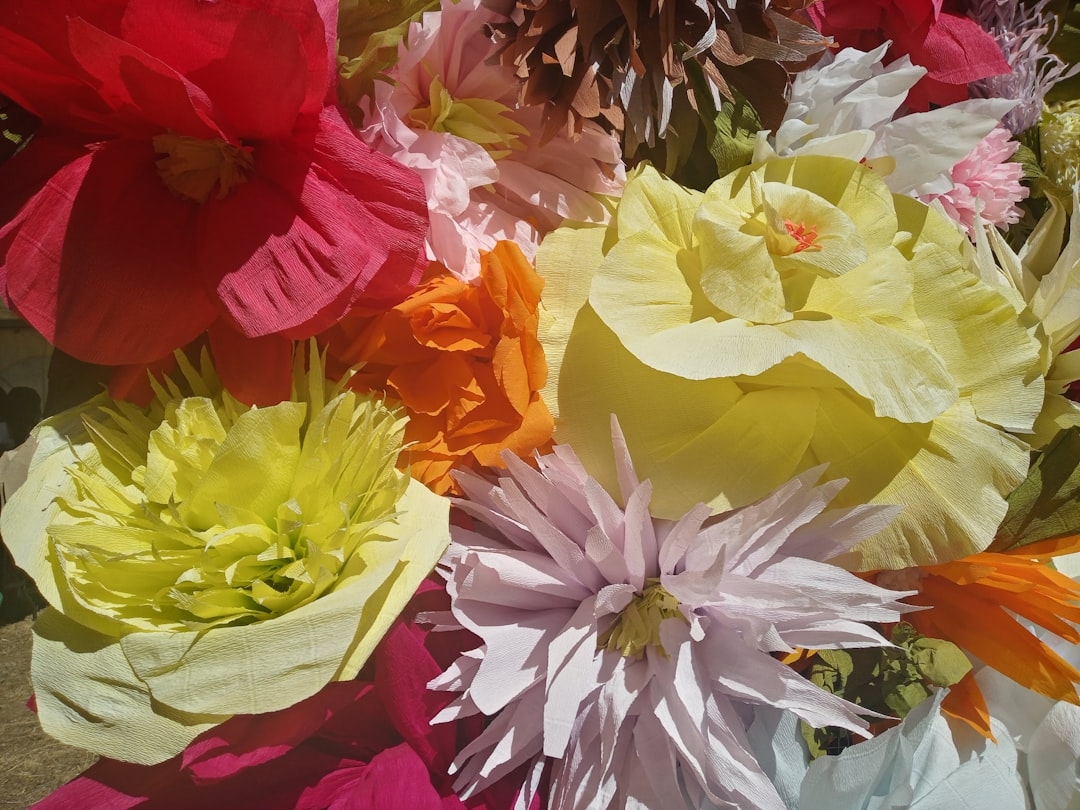
Paper flower bouquets aren’t just 2nd-grade crafts. In 2026, artists like Lia Griffith (Portland, OR) and Eileen Healy (certified paper florist, New York) sell hand-cut crepe and mulberry masterpieces that can take 3-20 hours per bouquet. Prices range from $50 for mini bouquets to $500+ for large, custom wedding arrangements.
Customization: Limitless Possibilities
- Any color, every flower: From blue peonies to fantasy black dahlias, paper flowers don’t follow nature’s rules.
- Personalized touches: Favorite book pages, love letters, or recycled maps can be built right in–a major trend in Brooklyn, Austin, and San Francisco events.
- Sizing: Lifelike to oversized for dramatic installations.
Realism & Texture
Top-tier crepe paper mimics the translucence and subtle veining of real petals. Some artists even scent their flowers lightly for the full sensory effect.
“With premium Italian crepe and a little creativity, I can make a dahlia that even veteran florists touch twice,” says Healy, who’s been making paper stems for 15 years.
Care and Longevity
Keep paper flowers away from water, sun, and curious cats. If cared for, they’ll look flawless for decades. Dust lightly and store in a dry place.
Wood Flowers (Sola): Sustainable, Soft, and Stunningly Custom
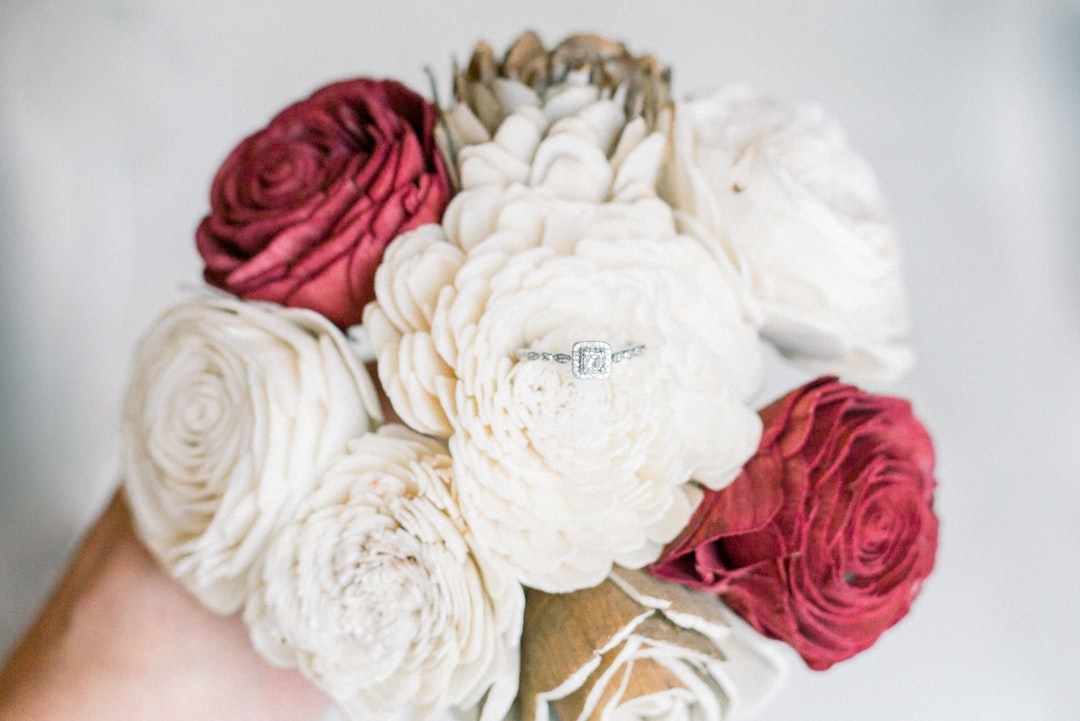
Sola wood flowers are carved from the tapioca plant (Aeschynomene aspera), making them biodegradable and vegan–no petroleum, no plastic. They’ve surged from niche craft to big business, with brands like Sola Wood Flowers (Utah) and EcoFlower (California) now serving custom wedding orders across the US.
The Look and Feel
- Really soft, almost foam-like: Lightweight, with a natural ivory color that absorbs dye like a sponge.
- Carved details: Petal edges can be ruffled, curled, even burned for a rustic look.
How They’re Made
Each “petal” is hand-shaped and glued. Dyeing and painting allow for near-unlimited color choices–natural, neon, or even metallic.
Popular US Uses
- Bridal bouquets and boutonnieres
- Memorial flowers (because they last)
- Eco-friendly home décor
Durability & Eco Score
Wood flowers do best indoors, away from high humidity. Longevity? Andrew Peretti, wood florist in Austin, estimates:
“I’ve had clients bring me bouquets I made ten years ago. Even Texas humidity hasn’t beaten them yet.”
Disposal? Compostable (not landfill-bound). For events, sola is a planet-friendly pick.
Silk Flowers: The Gold Standard for Lifelike Luxury
Silk flowers aren’t always made from actual silk anymore–most are crafted from polyester blends. The very best (think: Nearly Natural, Afloral, and Bloom Room) can make even seasoned gardeners do a double-take. There are entire online forums dedicated to identifying “faux vs. real” in wedding photos.
Realism: From Mass Market to Museum-Grade
- Budget brands: Target, Michael’s, and Amazon offer bouquets from $20-$60, but seams and stiff leaves can give them away.
- Top-tier: Real Touch, Afloral, and Floramatique boast petals with subtle fades, wired stems, and even fuzzy stamen for photorealism. Expect $60-$300+ for large or bespoke bouquets.
Tactile Experience
Smooth, cool, and soft. Some “real touch” varieties use latex coatings–these became huge in 2024 and now dominate premium US wedding bouquets.
Maintenance
Silk flowers demand minimal care–occasional dusting, no direct sun. With basic attention, they can last for decades, holding their color and shape far longer than their paper counterparts.
Comparing the Three: What Matters Most to You?
Realism Showdown
- Silk: Indistinguishable from the real thing at a glance. Best for close-up photos.
- Paper: Most artistic, can be extremely convincing, especially from arm’s length.
- Wood: Most sculptural, least likely to be mistaken for fresh–better for stylized or rustic themes.
Cost Breakdown
Typical US bouquet pricing (2026):
- Paper: $80-$250, depending on customization and artist
- Wood: $60-$200, with dyeing or metallics raising the price
- Silk: $30-$180 for standard, $180-$350+ for premium bespoke
Environmental Considerations
- Paper: Best if made from recycled or FSC-certified sources. Some adhesives/pigments less green.
- Wood: Fully biodegradable, lower carbon footprint, especially if undyed.
- Silk: Polyester blends often petroleum-based; pure silk is rare and costly. Some brands use recycled synthetics.
US Waste Perspective
According to Green America (2025), switching just 10% of wedding flowers to forever florals could keep 120 million pounds of waste out of US landfills each year.
When to Choose Which: Scenarios and Use-Cases
For Weddings:
- Outdoor, rustic, or eco-focused? Go wood for durability and compostability.
- Modern, minimalist, or allergy-prone guests? Silk wins for realistic, fuss-free elegance.
- Want something nobody else has? Custom paper bouquets let your personality shine.
For Home Décor:
- Kid/pet-friendly: Wood or silk (less fragile than paper).
- Statement pieces: Paper for oversized art; silk for understated luxury.
For Gifting:
- Birthdays/Anniversaries: Silk offers wide retail options (even overnight via 1-800-Flowers).
- Sentimental gifts: Paper, especially with custom messages, for deep personal meaning.
Pull-Quote
“Forever flowers let you revisit your most joyful days–without worrying about petals turning brown or memories fading.”
– Samantha Torres, Certified Florist & Owner, Blossom & Vine, Chicago
FAQ – Paper, Wood, and Silk Flower Bouquets in the US (2026)
What are the most realistic-looking fake flowers available in 2026?
The most realistic-looking fake flowers are premium “real touch” silk flowers from brands like Floramatique and Afloral. High-end paper flowers from skilled artists can also appear lifelike, especially in photos.
Are wood flowers environmentally friendly?
Yes, most wood flowers in the US are made from sola wood, a renewable plant material. They are biodegradable and often dyed with non-toxic pigments, making them one of the most eco-friendly forever flower options.
How do I clean and maintain paper, wood, or silk flowers?
- Paper: Dust gently with a soft brush or canned air. Keep dry.
- Wood: Wipe lightly with a dry cloth; avoid soaking or strong light.
- Silk: Dust or use a damp cloth for stubborn dirt. Keep out of direct sun to prevent fading.
Can you order custom paper, wood, or silk bouquets online in the US?
Yes. Many artists and florists offer custom forever flower arrangements through platforms like Etsy, Sola Wood Flowers, Nearly Natural, and private studio shops. Expect 2-8 weeks lead time, especially for weddings.
How much do paper, wood, and silk wedding bouquets cost in the US (2026)?
- Paper: $80-$500+ depending on scale and customization.
- Wood: $60-$350+, with most couples spending $150-$220.
- Silk: $100-$400+ for bespoke arrangements, $40-$180 for off-the-shelf.
Want Flowers That Outlast the Moment? Here’s What to Try Next
Don’t just settle for one type–request free samples from top wood and silk brands, or commission a single, showstopper stem from a local paper artist. Arrange your bouquet with a mix of textures and materials, and see which style feels most “you.”
Still undecided? Visit a nearby Michael’s or boutique florist and compare options in-person. Sometimes, forever flowers need to be seen–and touched–to be believed. The next bouquet you choose could be the last one you ever have to buy.