




Contents:
- Quick Answer: Can You Recycle Floral Cellophane?
- What Is Floral Cellophane, Really?
- True Cellophane vs. Plastic “Cellophane”
- Why Plastic?
- Why Most Floral Cellophane Can’t Be Recycled
- Curbside Collection Systems
- Contamination Issues
- What About Store Drop-Offs?
- Are There Biodegradable or Compostable Alternatives?
- True Cellophane
- Paper Wraps
- What Can You Do With Used Floral Cellophane?
- Reuse at Home
- Reducing at the Source
- Compost or Upcycle?
- Better Options: Sustainable Floristry in 2026
- What to Ask Your Florist
- Eco-Friendly Brands and Resources
- Legislation & Industry Trends
- Key Takeaways for Flower Lovers
- FAQ: Can You Recycle Floral Cellophane? (US, 2026)
- What type of floral cellophane is recyclable in the US?
- Is cellophane from flower bouquets compostable?
- Can I bring floral cellophane to supermarket plastic bag recycling bins?
- How can I ask my florist for less plastic waste?
- Are there any national florists in the US that use zero-plastic bouquet wrap?
Can You Recycle Floral Cellophane? A Guide for Flower Lovers and Eco-Conscious Florists
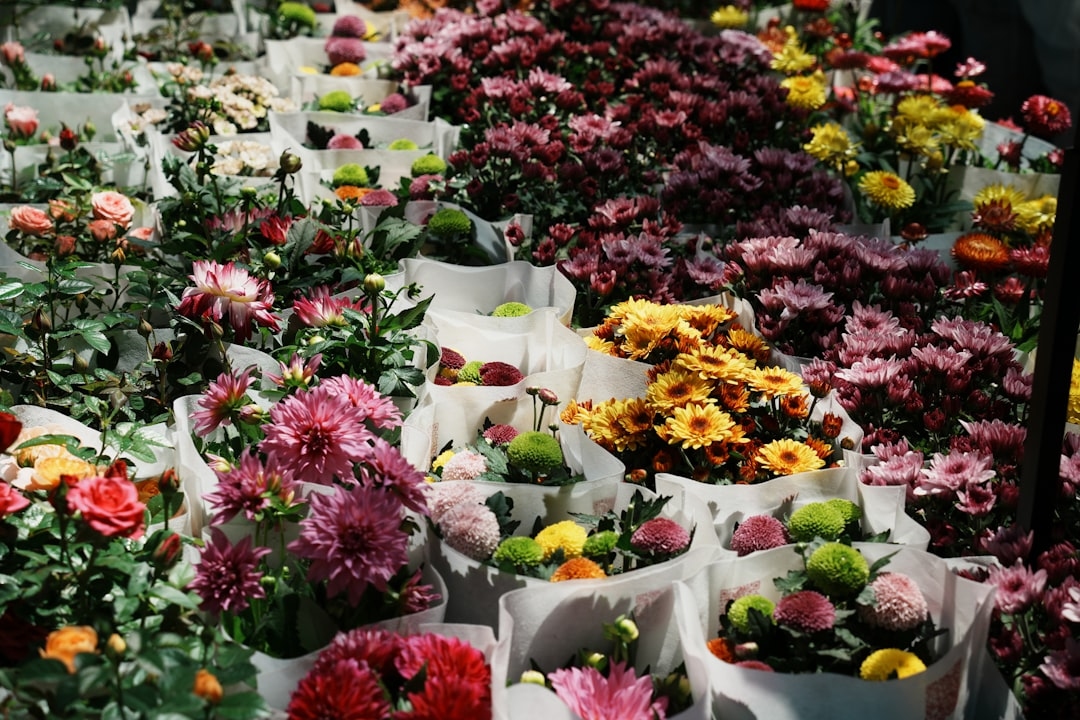
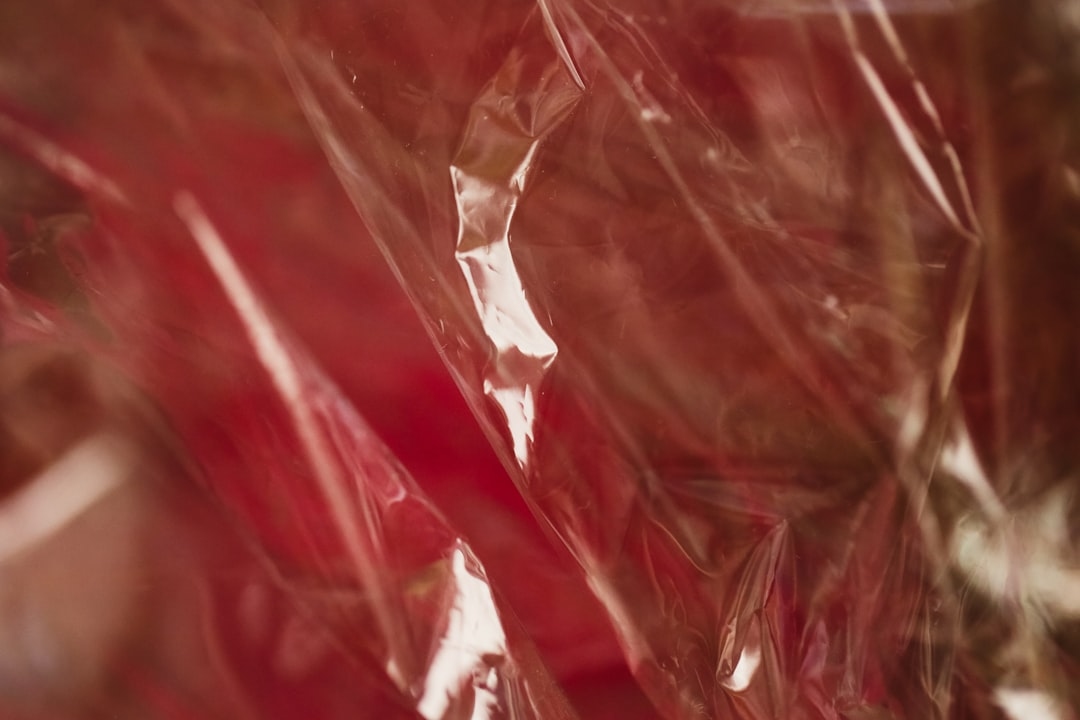
Walk into any grocery store or florist in Chicago, Austin, or LA, and you’ll find bouquets wrapped in bright, crinkly cellophane. It’s everywhere: swaddling birthday roses and graduation lilies, sparkling under LED lights. But once the flowers fade, most people pause at their kitchen trash, cellophane in hand, and ask the big question: Can you recycle floral cellophane?
Let’s cut through the confusion, plastic codes, and wishcycling myths. Here’s what happens to that shiny wrap, why most US recycling bins don’t want it, and what thoughtful flower fans can do about it.
Quick Answer: Can You Recycle Floral Cellophane?
Most floral cellophane wraps sold in the US are NOT recyclable in curbside bins.
Here’s why:
- True cellophane (made from cellulose) is technically biodegradable, but almost all “cellophane” wraps on bouquets are actually plastic films like polypropylene or BOPP (biaxially oriented polypropylene).
- Curbside recycling programs in the US do not accept plastic films or wraps–they jam sorting machines and contaminate recycling streams.
- Some specialty recycling drop-offs (like certain grocery stores with plastic bag bins) may take polypropylene film, but not if it’s dirty, dyed, or metallic.
Bottom line:
Toss used floral cellophane in the trash unless your area specifically collects clean plastic film for recycling. Don’t wishcycle–non-recyclables cause real headaches for US recycling facilities.
What Is Floral Cellophane, Really?
Most Americans say “cellophane” for any crinkly, clear floral wrap. But not all cellophane is created equal.
True Cellophane vs. Plastic “Cellophane”
| Feature | True Cellophane | Plastic Floral Wrap (BOPP, PP) |
|---|---|---|
| Made from | Wood cellulose (plant fiber) | Polypropylene (petroleum-based) |
| Biodegradable? | Yes (but slow in landfill) | No |
| Looks/Feels | Crisp, semi-glossy | Glossier, more “plastic” feel |
| Used in US bouquets? | Rarely | Almost always |
| Recyclable curbside? | No | No |
| Compostable? | Commercial compost only | No |
So despite the name, the overwhelming majority of “cellophane” wraps on US bouquets are thin plastic films, not plant-based cellophane.
“About 93% of mass-market flower wraps in 2026 are BOPP plastic, not cellulose film,” says Maria Tan, sustainability coordinator for American Florists United.
Why Plastic?
- Low cost (1 cent per foot, wholesale)
- Moisture barrier (keeps blooms fresh)
- Print-friendly (easy for adding branding and color)
Why Most Floral Cellophane Can’t Be Recycled
US municipal recycling isn’t designed for plastic films–here’s why your bouquet wrap is an exception to your other recyclables.
Curbside Collection Systems
Most American recycling uses single-stream sorting. Rigid containers (bottles, cans, tubs) are separated by machines. Thin plastic films like floral wrap get tangled in sorting equipment, causing shutdowns every day.
- According to Waste Management, Inc., tanglers (plastic films, hoses, cords) cause over 1,200 maintenance stoppages weekly in their US material recovery facilities.
- Only 18% of US cities accept any form of plastic film in curbside programs (Recycling Partnership Report, 2026).
Contamination Issues
Floral wraps often have:
- Glitter, metallic inks, or laminated paper
- Water or plant debris
These make the material impossible to reprocess, even where some plastic film recycling is available.
What About Store Drop-Offs?
Some grocery chains (like Kroger, Target) collect clean, stretchy plastic film (think bread bags or dry-cleaner bags) at entry bins.
Bouquet wrap almost never qualifies:
- It’s usually crinkly BOPP, not stretchy film.
- It’s often dyed or printed, which disqualifies it.
Are There Biodegradable or Compostable Alternatives?
A few US florists and eco-grocers are experimenting with true cellophane or paper wraps, but they remain rare.
True Cellophane
- Brands like NatureFlex™ and Futamura make certified compostable cellulose film.
- It costs 3-5x more than standard plastic wrap.
- Only composts in commercial facilities–won’t break down in backyard compost or most US landfills.
Paper Wraps
Some high-end florists (i.e., Farmgirl Flowers, NYC) offer recycled kraft paper alternatives.
- Compostable and recyclable if uncoated.
- May not hold up with wet or dewy stems.
- Used for about 10% of specialty bouquets in major US cities (AFU, 2026).
Florist’s tip:
“Ask your florist for paper-wrapped bouquets, or bring your own reusable tote for loose stems. Most are happy to accommodate if you ask!”
– Luis Delgado, owner, Marigold & Moss, Austin, TX
What Can You Do With Used Floral Cellophane?
So, the default isn’t great: your bouquet wrap is landfill-bound. But a creative home florist or event host can come up with some novel reuse ideas.
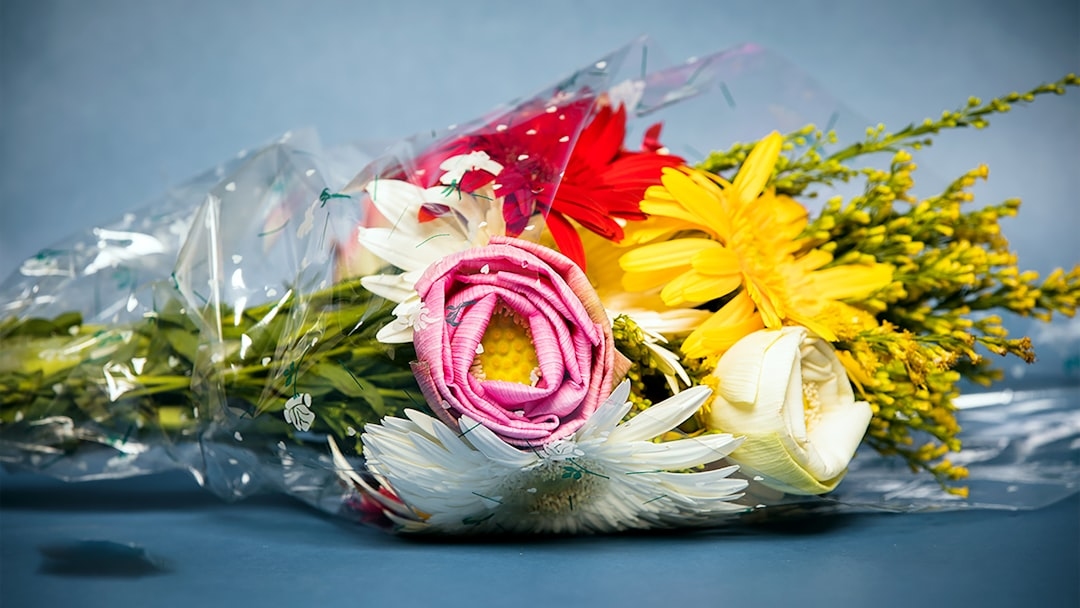
Reuse at Home
- Line vases or trays for messy flower arranging.
- Protect art tables or craft stations.
- Wrap homemade gifts, like baked goods, with a ribbon.
- Turn into makeshift mini-greenhouse covers for seedlings (poke a few holes for airflow).
Reducing at the Source
- Request paper wrap or “naked” bouquets when ordering.
- Support local florists who advertise zero-waste practices.
- Leave the wrap with the florist for their bulk recycling (if offered–rare, but ask).
Compost or Upcycle?
Plastic floral wrap can’t be composted. True cellophane wrap, if certified compostable, might be accepted by local commercial facilities–check their list.
Better Options: Sustainable Floristry in 2026
Some US florists and supermarkets are making real efforts to curb floral plastic waste. Here’s what’s out there, and what eco-minded customers should look for.
What to Ask Your Florist
- Do you offer paper or biodegradable wrap?
- Is your wrap compostable or recyclable?
- Can you create a bouquet with no plastic at all?
Eco-Friendly Brands and Resources
| Florist/Brand | Sustainable Wrap Option? | Where Available |
|---|---|---|
| Farmgirl Flowers | Recycled paper, no plastic | Nationwide |
| UrbanStems | Kraft paper, minimal plastic | Major cities |
| The Bouqs Co. | Paper + recycled materials | Online shipping |
| Local Farmers’ Markets | Often bulk/naked flowers | Nationwide |
Legislation & Industry Trends
- California, Oregon, and New York have introduced 2026 guidelines urging supermarkets to reduce single-use plastics for floral, bakery, and produce departments.
- According to the American Floral Endowment, eco-friendly bouquet options grew from 5% to 17% of US market share between 2020 and 2026.
Key Takeaways for Flower Lovers
“The most sustainable bouquet is the one with the least packaging–ask for paper or go wrap-free!”
– Dr. Wendy Carter, Horticulturist, Michigan State University
For most Americans, floral cellophane isn’t recyclable curbside or at store drop-offs in 2026.
Switching to paper-wrapped, or wrap-free bouquets, and favoring florists with clear sustainability practices, is the greenest path forward.
FAQ: Can You Recycle Floral Cellophane? (US, 2026)
What type of floral cellophane is recyclable in the US?
Most bouquet wraps are plastic-based (polypropylene) and are NOT accepted in US curbside recycling. Only specialty drop-offs may accept clean, clear, unprinted plastic film, but typical floral wraps don’t qualify.
Is cellophane from flower bouquets compostable?
If it’s true cellulose-based cellophane, it may be compostable only in commercial composting facilities–not backyard bins. Most US floral wraps are plastic and not compostable.
Can I bring floral cellophane to supermarket plastic bag recycling bins?
No. Most supermarket programs (like Kroger, Target) accept only clean, stretchy PE films–not crinkly, printed, or dyed bouquet wraps, which are usually BOPP plastic.
How can I ask my florist for less plastic waste?
Request paper wrap or no wrap at all. Many local florists are happy to accommodate sustainability requests, especially if you call ahead or order in person.
Are there any national florists in the US that use zero-plastic bouquet wrap?
A few, like Farmgirl Flowers, UrbanStems, and select farmers’ market vendors, offer paper or no-wrap bouquets. Always check with the seller for their latest eco-friendly options.
Looking to reduce your flower waste this year? Start a conversation with your florist about packaging, or bring your own reusable tote for stems. Change happens bouquet by bouquet–one less crinkly wrap at a time.