



Contents:
- Why Are Anemones So Popular With Florists? (Quick Answer)
- The Unique Appeal of Anemones: Color, Shape, and Style
- Color That Pops
- Shapely Drama
- Sourcing and Seasonality: A Florist’s Perspective
- Sourcing Tips
- Vase Life and Handling: Keeping Anemones Fresh
- Pro Florist Tips for Maximum Vase Life
- Design Versatility: Modern, Whimsical, or Classic
- Pull-Quote
- Anemones vs. Other Popular Florist Flowers
- Sustainable Floristry and Anemones
- FAQ: Florists and Anemones
- How long do anemones last in a bouquet?
- Can you get anemones year-round in the US?
- Are anemones safe for pets?
- Do anemones have a scent?
- What colors do florist anemones come in?
What Makes Anemones So Popular With Florists
A bunch of fresh anemones can light up a room, and American florists know it better than anyone. Walk into a Brooklyn boutique in early spring, and you’ll spot these velvety blooms nestled between ranunculus and tulips, their inky eyes staring out boldly. The secret? Anemones bring color, drama, and an unmistakable modernity to arrangements–no wonder they’ve become a mainstay for both wedding designers and everyday bouquets.
Why Are Anemones So Popular With Florists? (Quick Answer)
Florists love anemones for their vivid color range, long vase life, and graphic appearance. These flowers offer everything from classic whites and reds to rare teals and purples. Their dramatic dark centers add instant visual interest, making arrangements look fresh and contemporary. Anemones are relatively easy to source in the U.S. market (especially from California growers), and–with proper care–can last up to 8-10 days in a vase. All these factors keep anemones in high demand for both events and everyday floristry in 2026.
The Unique Appeal of Anemones: Color, Shape, and Style
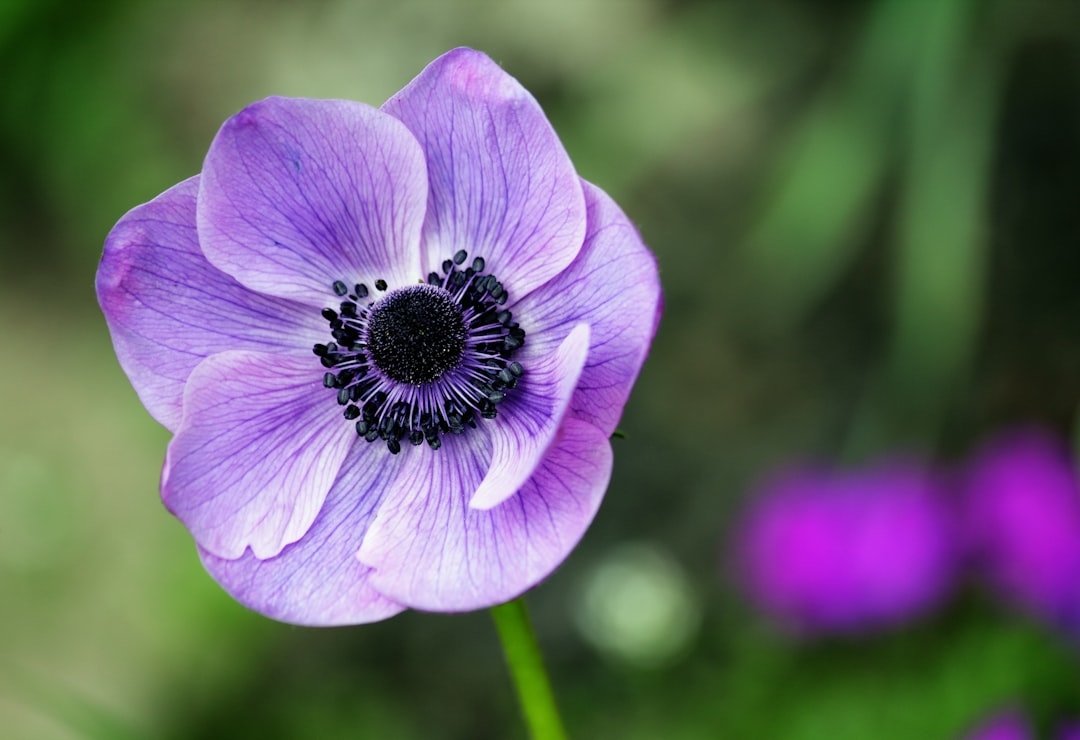
Standing out in a crowded floral market isn’t easy. Yet anemones do it with style. Their crisp petals fan out around dramatic black or blue-black centers, creating a look that’s bold and graphic–almost cartoonishly perfect. Most anemones seen in American shops are Anemone coronaria, sometimes called “poppy anemones” for their resemblance to wild poppies.
Color That Pops
- Whites and creams – Classic for weddings and high-end arrangements
- Vivid reds and pinks – Eye-catching; perfect for statement pieces
- Purples and blues – Unusual, sophisticated, and hard to find in other cut flowers
- Pastel hybrids – Trending for spring bouquets in 2026 (like the ‘Galilee Blue’)
Leading New York florist Jada Selman, owner of Selman Blooms, says,
“Anemones are our go-to when a client wants something soft but not boring. The contrast in their centers guarantees drama without being stiff.”
Shapely Drama
Anemone petals are slightly cupped or ruffled, allowing designers to build arrangements with layers and movement. Their slender stems (typically 8″-12″ long) make them ideal for both tight posies and sprawling garden-style bouquets.
Sourcing and Seasonality: A Florist’s Perspective
Florists in the US know the anemone season is short but sweet. The peak? December through May, with California’s coastal farms dominating domestic production.
Sourcing Tips
- California Flower Market in San Francisco and the Los Angeles Flower District are top wholesale hubs for fresh anemones.
- Holland remains the world’s biggest supplier; Dutch-grown anemones flood the US market from November to April, especially in colder states.
- Direct farm-to-florist models (like The Bouqs Co. or Farmgirl Flowers) now offer specialty varieties, often delivered overnight.
Pricing Snapshot (2026):
| Source | Bunch (10 stems) | Wholesale Price (USD) | Retail Price (USD) |
|---|---|---|---|
| California Farm | 10 | $7.50 | $17-22 |
| Dutch Import | 10 | $6.00 | $15-20 |
| Local Grower | 10 | $8.50 | $20-25 |
Florists like to secure pre-orders for weddings and events, as demand spikes in March and April.
Vase Life and Handling: Keeping Anemones Fresh
Anemones rank high for vase longevity–if you treat them right.
Pro Florist Tips for Maximum Vase Life
- Hydrate Immediately: Upon receiving, cut stems at an angle and place in cool, clean water.
- Strip Lower Leaves: Prevents rot and extends shelf life.
- Cool Storage: Keep at 36-38ºF if possible.
- Change Water Daily: Reduces bacteria and helps flowers last 8-10 days.
Expert advice from Natalie Greene, Certified Floral Designer (CFD):
“Don’t ever let anemones go dry–even for an hour. If the stems bend, recut and hydrate. They bounce back fast.”
Pro tip: Anemones continue to grow in the vase, sometimes gaining up to 2 inches. This ‘stretching’ is prized for its wild, natural look in modern arrangements.
Design Versatility: Modern, Whimsical, or Classic
Ask any American wedding florist in 2026: anemones work for nearly every style.
- Modern: Pair with ranunculus, parrot tulips, and eucalyptus for a bold, monochromatic look.
- Whimsical garden: Mix with sweet peas, lisianthus, and hellebores.
- Classic romance: Combine with roses, peonies, and trailing vines.
Pull-Quote
“Unlike roses or lilies, anemones never feel dated. They play well with both soft and strong design choices,” says Lila Torrez, wedding floral stylist, Dallas TX.
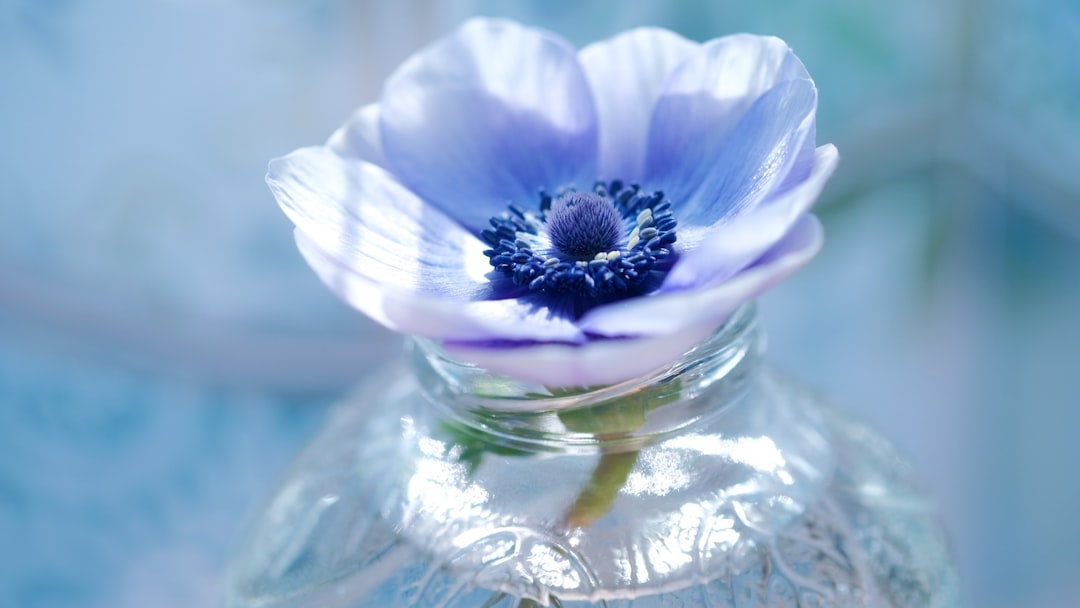
A trend to note: Black-and-white ‘Panda’ anemones featured in over 60% of top Pinterest floral boards as of spring 2026.
Anemones vs. Other Popular Florist Flowers
When planners or customers ask, “Why not use poppies or ranunculus instead?” here’s a handy comparison:
| Flower | Main Season (US) | Vase Life | Color Range | Price (per 10) | Distinctive Feature |
|---|---|---|---|---|---|
| Anemone | Dec-May | 8-10 days | 10+ | $15-25 | Dark, bold centers |
| Ranunculus | Jan-May | 7-10 days | Wide | $20-35 | Many petals, soft |
| Poppy | Mar-Jun | 3-6 days | 6-8 | $18-28 | Delicate, papery |
| Tulip | Jan-Apr | 5-8 days | Wide | $12-20 | Upright, classic |
Florists often combine anemones with ranunculus for textural contrast but lean toward anemones when a bold, modern vibe is requested.
Sustainable Floristry and Anemones
Eco-conscious consumers are asking florists more about sourcing and sustainability in 2026.
- Locally grown: California and Pacific Northwest farms now supply over 40% of US florists’ spring anemones, cutting transport emissions.
- No pesticides: Look for Certified American Grown labels or ask your florist–an increasing number of farms are moving to organic practices.
Farmgirl Flowers founder Christina Stembel notes,
“Our customers love knowing their anemones aren’t just beautiful–they support American growers and the environment, too.”
FAQ: Florists and Anemones
How long do anemones last in a bouquet?
With proper care, anemones last 8 to 10 days in a bouquet. Keep stems hydrated, change water daily, and avoid direct sunlight for best results.
Can you get anemones year-round in the US?
Anemones have peak availability from December through May, especially from California and Dutch growers. Off-season, imported or greenhouse-grown options are limited and more expensive.
Are anemones safe for pets?
Anemones are mildly toxic if ingested by cats or dogs. Keep arrangements out of reach from curious pets to prevent any issues.
Do anemones have a scent?
Most anemone varieties used in floristry are unscented, making them ideal for scent-sensitive clients or event spaces.
What colors do florist anemones come in?
Florist-grade anemones are available in white, pink, red, blue, purple, and specialty hues like lavender or bicolor (‘Panda’). Availability of rare shades varies by season and region.
Ready to see why anemones are a florist’s favorite firsthand? Visit your local flower shop this spring, or try a DIY bouquet using California-grown blooms. If you’re planning a wedding or event, ask your florist about in-season anemones–your arrangements will thank you for the bold, unforgettable touch.