



Contents:
- What Are Ethical Alternatives to Traditional Bouquets? (Featured Snippet)
- The Problem With Traditional Bouquets
- Locally Grown, Seasonal Flowers
- Dried and Preserved Flowers: Beauty That Lasts
- Dried vs. Fresh: How They Stack Up
- Potted Plants and Living Gifts
- Why Plants Win
- Foraged, Upcycled, and DIY Arrangements
- Working With Certified Ethical Florists
- Certifications and Labels to Look For
- Quick List: Ethical Alternatives to Traditional Bouquets
- FAQ: Ethical Alternatives to Traditional Bouquets
- What makes a bouquet “ethical”?
- Are dried flowers more sustainable than fresh ones?
- Where can I buy sustainable bouquets in the US?
- Can I make my own ethical bouquet?
- Are imported flowers always unethical?
Ethical Alternatives to Traditional Bouquets
Blossoms on your kitchen counter might cheer up the space, but did you know that most traditional bouquets in the US are flown in from 5,000 miles away? According to the USDA, over 80% of fresh flowers sold in America are imported, mostly from Colombia and Ecuador. Yes, that classic Valentine’s dozen has a heavier carbon footprint than a cross-country flight. So what’s an eco-minded flower lover to do? Enter a new wave of ethical alternatives in floristry–gorgeous, creative, and far more planet-friendly.
What Are Ethical Alternatives to Traditional Bouquets? (Featured Snippet)
Ethical alternatives to traditional bouquets are floral arrangements designed with sustainability, local sourcing, and fair labor in mind. Options include:
- Locally grown, seasonal flowers
- Dried or preserved blooms
- Potted plants as gifts
- Upcycled or foraged greenery
- Certified ethical florists or fair-trade bouquets
These choices reduce environmental impact and support responsible growers, often with fewer chemicals and less transportation.
The Problem With Traditional Bouquets
Picture those rainbow-colored roses at your local supermarket. They traveled thousands of miles, usually refrigerated, and were likely grown using pesticides and underpaid labor. Floriculture experts like Dr. Joanne Fisher, horticulturist and author of The Sustainable Vase, estimate that 200,000 tons of imported flowers arrive in the US annually, contributing significantly to greenhouse gas emissions.
Key Issues:
- Carbon footprint: Air freight and refrigeration add up. The Society of American Florists reports that transport and storage can account for up to 60% of a bouquet’s carbon emissions.
- Labor concerns: Many farmworkers overseas earn less than $10 a day, with minimal protections.
- Chemical use: Overseas regulations for pesticides are often less strict than in the US, with residues harmful for both workers and the recipients.
No wonder more Americans are seeking ethical ways to make their celebrations bloom.
Locally Grown, Seasonal Flowers
Local flowers have gone from niche farmers’ market finds to a major trend in US floristry–think of it as the “farm-to-vase” movement. The Association of Specialty Cut Flower Growers saw its membership double between 2019 and 2025, reflecting the shift.
Why Choose Local?
- Lower carbon footprint: No international flights required.
- Fresher flowers: Often picked within 24-48 hours of delivery.
- More variety: Native and heirloom blooms–like ranunculus, peonies, or locally grown zinnias.
Where to Find Them
- Search for florists labeled “Certified American Grown” or check Slow Flowers’ online directory.
- Regional farms like California’s Creekside Growers or Maine’s Snell Family Farm deliver bouquets across their states.
- Major US flower-delivery services now offer local farm boxes starting at $39-$80 per arrangement.
“Customers are surprised at how much longer our locally grown bouquets last versus imports,” says Tara Nguyen, owner of Sweet Clover Floral Co. in Portland, Oregon. “It’s not just about the look–it’s about the story.”
Dried and Preserved Flowers: Beauty That Lasts
Dried flowers aren’t only for vintage vibes. In 2026, preserved arrangements are a modern staple for weddings, home decor, and even business gifting. These bouquets last for months (sometimes years), meaning less waste and more value.
Dried vs. Fresh: How They Stack Up
| Feature | Traditional Bouquets | Dried/Preserved Bouquets |
|---|---|---|
| Longevity | 5-10 days | 6-18 months |
| Carbon Footprint | High | Lower (no refrigeration) |
| Upkeep | Needs water/change | Nearly zero maintenance |
| Cost (avg) | $40-$140 | $50-$150 |
Best places to buy? US brands like East Olivia and The Sill offer dried arrangements sourced from domestic growers. Etsy shops often collaborate with regional farms for small-batch blends.
Potted Plants and Living Gifts
Giving a plant is a gift that keeps giving–literally. Potted orchids, succulents, African violets, and even mini rose bushes are trendy ethical swaps for cut flowers, and they’re popping up everywhere from urban boutiques to online giants like Bloomscape.
Why Plants Win
- Longer lifespan: With basic care, many potted plants thrive for years.
- Improved indoor air: NASA’s famed “Clean Air Study” found that plants like peace lilies and pothos can help cut indoor toxins.
- Reduced waste: No plastic wrap, less landfill.
Look for plant shops using organic soil and sustainable pots. Some eco-conscious florists, like Greenery NYC, offer recycled or biodegradable planters as a standard.
Foraged, Upcycled, and DIY Arrangements
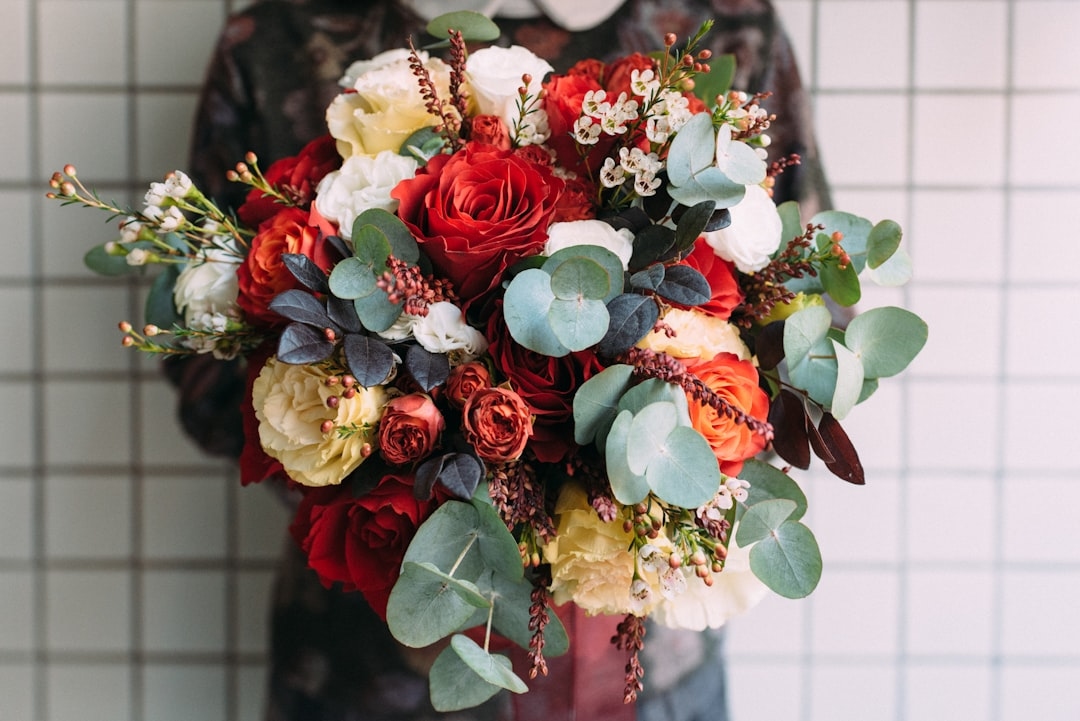
Turn a morning walk into a treasure hunt. Foraged bouquets–think seed pods, wild grasses, pine branches–make utterly unique centerpieces. And upcycling is hot: thrifted jars, fabric scraps, or even old teacups become charming vessels.
Pro Tips for Ethical DIY:
- Never take protected or private property flora–only gather common plants or garden trimmings.
- Limit foraging to small amounts.
- Sanitize vases and trim stems sharply to prolong vase life.
“I built my wedding bouquet with clippings from my grandma’s garden and local wildflowers,” says Emily R., a Brooklyn bride. “It was personal, ethical, and cost under $20.”
Working With Certified Ethical Florists
Many florists are shifting how they source, design, and deliver. “We choose local farms, pay fair wages, and skip floral foam, which is a microplastic nightmare,” explains Carlos Marin, owner of Blossom & Vine, an Atlanta-based sustainable flower shop.
Certifications and Labels to Look For
- Certified American Grown: Assures domestic sourcing.
- Fairtrade Certified: Ensures fair labor practices for imports.
- Veriflora or Rainforest Alliance: Signals environmental and social responsibility in global supply chains.
Major online retailers–UrbanStems, The Bouqs Co., and Farmgirl Flowers–offer “eco collections” that highlight their partners’ environmental credentials.
Quick List: Ethical Alternatives to Traditional Bouquets
- Locally grown, seasonal flowers from small farms or CSAs
- Dried or preserved arrangements for long-term style
- Potted plants–succulents, ferns, flowering herbs–as living gifts
- DIY or foraged bouquets in upcycled vases
- Bouquets certified by Fairtrade, Veriflora, or American Grown labels
FAQ: Ethical Alternatives to Traditional Bouquets
What makes a bouquet “ethical”?
An ethical bouquet is created with low environmental impact and fair labor practices. This usually means local or certified flowers, minimal chemicals, and eco-friendly packaging.
Are dried flowers more sustainable than fresh ones?
Yes. Dried or preserved flowers require less energy for transport and storage, and last months instead of days–cutting waste and carbon emissions.
Where can I buy sustainable bouquets in the US?
Look for florists with “Certified American Grown” status, or shop online at Slow Flowers, Farmgirl Flowers, and The Bouqs Co., which all offer ethical options.
Can I make my own ethical bouquet?
Absolutely. Use locally grown or foraged flowers, avoid foam, and choose reusable containers–DIY is both affordable and sustainable.
Are imported flowers always unethical?
Not always. Some imported flowers are Fairtrade or Rainforest Alliance certified, meaning they meet high standards for labor and environmental care.
Choosing ethical alternatives to traditional bouquets isn’t just a trend–it’s a movement reshaping the way Americans celebrate, decorate, and connect with nature. Try picking up your next bunch from a local farm, or send a lush potted peace lily instead of last-minute roses. Your gesture might spark a small ripple in your community, and–who knows–maybe even set a new standard for beauty with a conscience.