



Contents:
- A Brief History: Why Rose Color Meaning Developed at All
- Red Roses: The Language of Romantic Love
- Pink Roses: The Spectrum of Warmth and Appreciation
- White Roses: Purity, New Beginnings, and Quiet Reverence
- Yellow Roses: Joy, Friendship, and the Complicated History
- Lavender and Purple Roses: Enchantment and the Extraordinary
- Mixing Rose Colors: When Combinations Say More Than Single Colors
- How Many Roses to Give: The Numbers Guide
- Practical Tips for Choosing the Right Rose Color
- Rose Care Tips to Make Any Bouquet Last
- FAQ: Rose Color Meanings
- Can I give red roses to someone who is just a friend?
- What rose color is best for a first date?
- Are white roses only for funerals and weddings?
- What do yellow roses mean in 2026 — do people still associate them with jealousy?
- How do I choose between buying a single color versus a mixed bouquet?
You’re standing in a flower shop, staring at a refrigerated case full of roses in every color imaginable, and suddenly your brain freezes. You know you want roses — but which color? Does it matter? Could the wrong color send the wrong message? The anxiety is real, and you’re not alone in feeling it.
Most people know that red roses mean love. That’s about as far as the common knowledge goes. But what about soft pink? Creamy white? Bright yellow? Each of those has a distinct emotional weight, a cultural history, and a real-world context where it shines — or falls completely flat. Get it wrong and a well-meaning gift turns awkward. Get it right and a single bouquet says everything words can’t.
This guide walks you through every major rose color, what it communicates, when to use it, and how to pair colors for maximum impact. No fluff, no vague platitudes — just the actual meaning behind each bloom, grounded in history, etiquette, and modern gifting culture.
- Red roses = romantic love and passion
- Pink roses = admiration, grace, and gratitude
- White roses = purity, new beginnings, and reverence
- Yellow roses = friendship, joy, and warm wishes
- Lavender/purple roses = enchantment and wonder
- Mixed colors = layered meaning — choose intentionally
A Brief History: Why Rose Color Meaning Developed at All
The language of flowers — called floriography — peaked during the Victorian era, roughly 1837 to 1901. In a society that considered open emotional expression improper, people used flowers to communicate sentiments that couldn’t be spoken aloud. Every bloom, every color, every way a flower was presented carried coded meaning. Lovers exchanged bouquets the way we exchange texts today.
Roses were already the dominant flower in Western romantic symbolism by the time floriography formalized the code. The Romans associated them with Venus, the Greek goddess Aphrodite, and with the concept of secrecy (the phrase sub rosa — “under the rose” — meant something said in strict confidence). When Victorian flower dictionaries assigned specific meanings to rose colors, they were building on a thousand years of cultural context.
What’s fascinating is how well those meanings have held up. Red still means love. White still means purity. The cultural shorthand is remarkably durable — which means understanding it actually matters when you’re choosing flowers for a real occasion.
Red Roses: The Language of Romantic Love
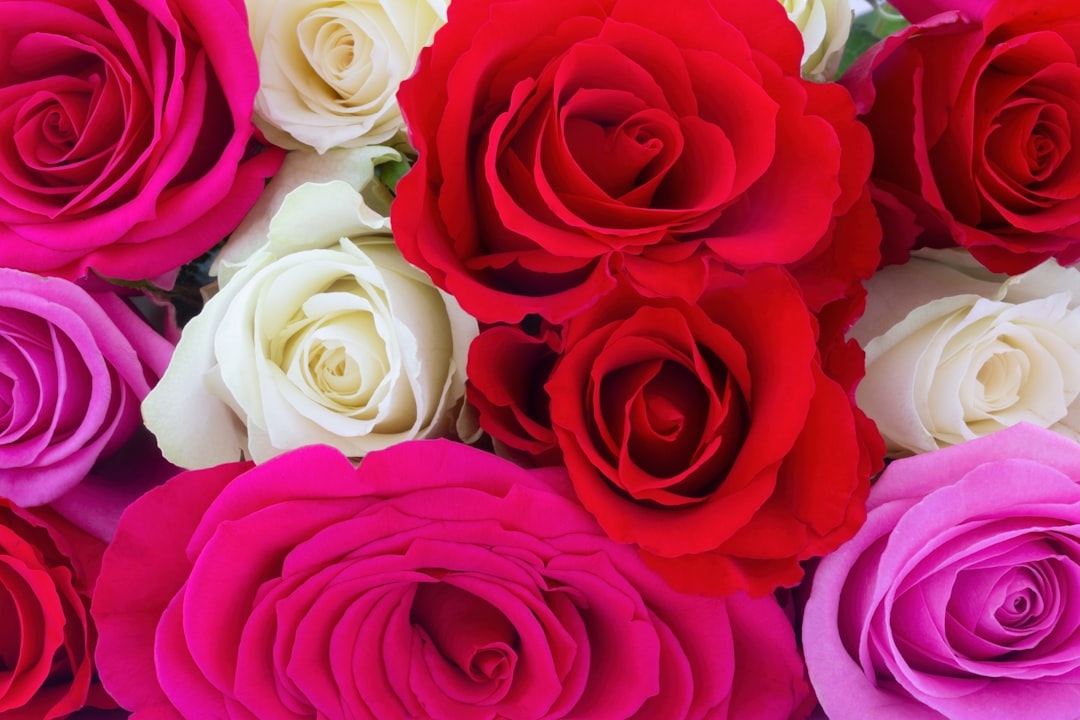
There’s a reason red roses sell out before every Valentine’s Day. The color red is physiologically stimulating — it raises heart rate and is universally associated with intensity, urgency, and desire. Couple that with the cultural weight roses carry, and you get the most recognized romantic gesture in the Western world.
A red rose says: I love you. I want you. You matter to me more than words can say.
The number of stems matters too. A single red rose is an intimate, personal declaration — almost more powerful than a large bouquet because of its directness. A dozen red roses is the classic anniversary or Valentine’s statement. Twenty-four roses means you can’t stop thinking about someone. Fifty roses? You’re making a grand gesture that nobody in the room will miss.
Red roses are appropriate for:
- Romantic anniversaries
- Valentine’s Day
- Proposals or declarations of love
- Date nights where you want to set the tone
Where red roses can feel off: sympathy situations, professional settings, or for someone you’ve just met and don’t want to alarm. They carry a weight of romantic intention that’s hard to walk back.
At Manalapan florists like Flowers Central Jersey, long-stem red rose bouquets start at $72 — and the impact they create is worth every penny. Their Red Long Stem Roses Bouquet is consistently one of the bestsellers, and it’s easy to see why once you see how those deep crimson blooms look in hand.
Pink Roses: The Spectrum of Warmth and Appreciation
Pink roses are doing a lot of heavy lifting in the floral world. They cover everything from deep, rich cerise to the softest blush imaginable — and each shade carries a slightly different nuance.
Deep pink roses express gratitude and appreciation. They say “thank you” with real sincerity. If someone has supported you through something difficult, deep pink roses are the right move.
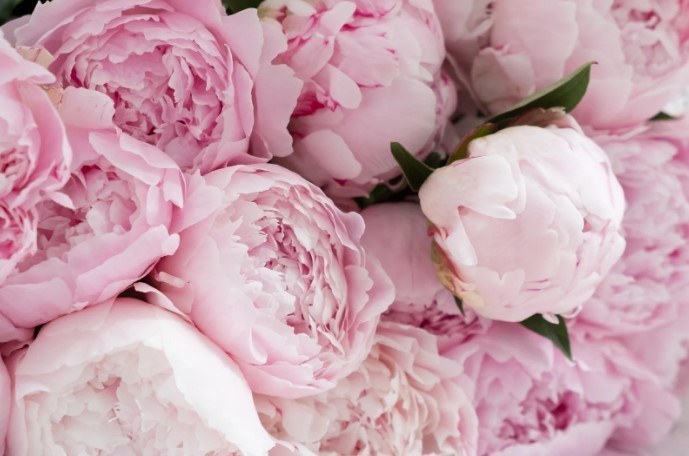
Light pink roses suggest admiration, sweetness, and gentleness. They’re perfect for new relationships — romantic or platonic — where you want to express affection without the full intensity of red. They’re also ideal for celebrating someone’s grace or elegance. Think of them as the floral equivalent of a heartfelt compliment.
Pale blush roses veer toward romance but stay subtle. They work beautifully for weddings, baby showers, and any occasion where you want softness rather than drama.
Pink roses are appropriate for:
- Birthdays
- Mother’s Day
- Saying thank you
- Baby showers (especially for girls, though blush is genuinely gender-neutral)
- Early-stage romantic interest
- Celebrating a friend’s achievement
Here’s a real-life example: a colleague of mine once spent weeks agonizing over what to send her mentor after landing a significant promotion. She almost defaulted to a generic gift basket. Instead she went with a hand-tied bouquet of deep pink and soft blush roses — and her mentor later told her it was the most thoughtful gift she’d received in years. Pink roses communicate nuance that most gifts simply can’t.
White Roses: Purity, New Beginnings, and Quiet Reverence
White roses are the most versatile color in the spectrum, and they’re frequently underestimated precisely because they seem simple. They’re not simple at all.
In Western culture, white roses carry meanings of purity, innocence, and new beginnings — which is why they’ve dominated wedding floral arrangements for centuries. A white rose says: this moment is sacred, and I’m treating it that way.
But white roses are also used for sympathy and remembrance. The purity and quiet dignity of a white rose makes it appropriate at memorial services or when expressing condolences. It honors without being showy about it.
White roses are appropriate for:
- Weddings and bridal parties
- Sympathy and memorial arrangements
- Baptisms and religious ceremonies
- Graduations (new beginnings)
- Apologies — a white rose says “I want a clean slate”
One thing worth knowing: in some East Asian cultures, white flowers carry stronger associations with death and mourning than in the West. If you’re gifting to someone from a Chinese, Korean, or Japanese background, it’s worth being aware of this cultural layer. In those contexts, pink or red would typically be safer for celebratory occasions.
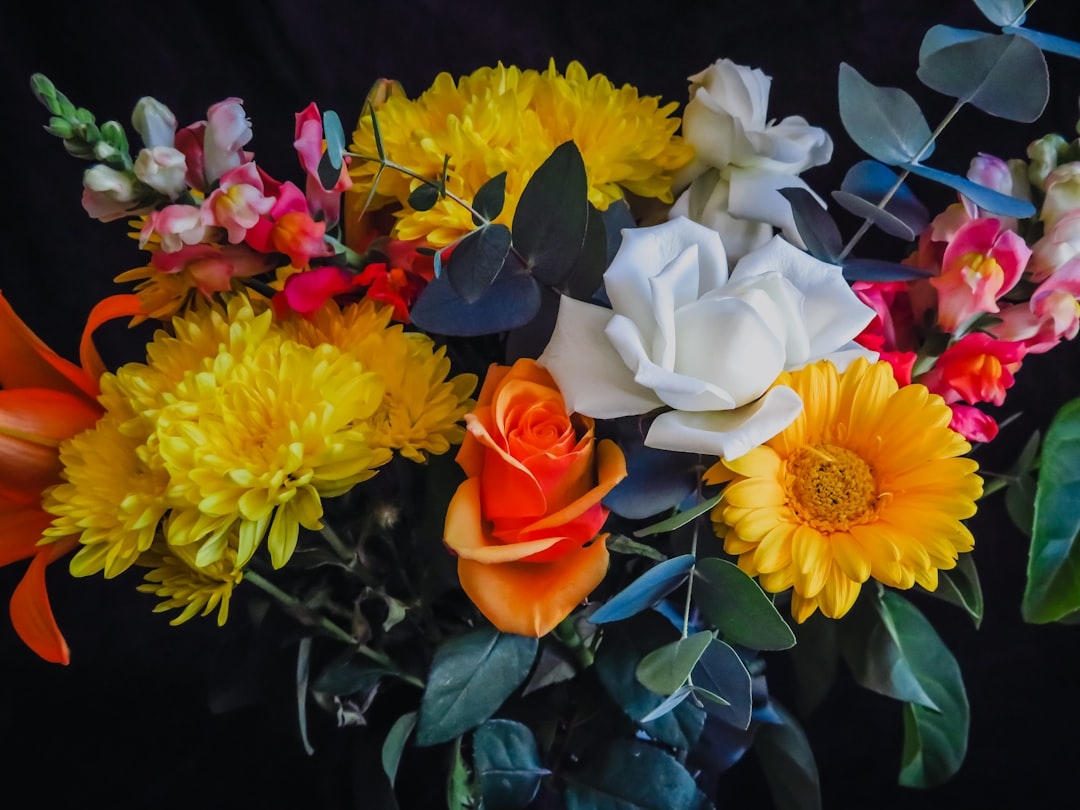
In terms of design, white roses are the ultimate pairing flower. They soften arrangements of intense red or vivid pink, they make lavender and purple pop, and they give any mixed bouquet a sense of elegance and balance. Flowers Central Jersey’s White Long Stem Roses Bouquet is a refined choice that reads luxurious precisely because of its restraint.
Yellow Roses: Joy, Friendship, and the Complicated History
Yellow roses have had a bit of a reputation problem, and it’s worth addressing directly: at some point in the 20th century, yellow roses got associated with jealousy and dying love in certain cultural contexts. That association is largely outdated and rarely understood today.
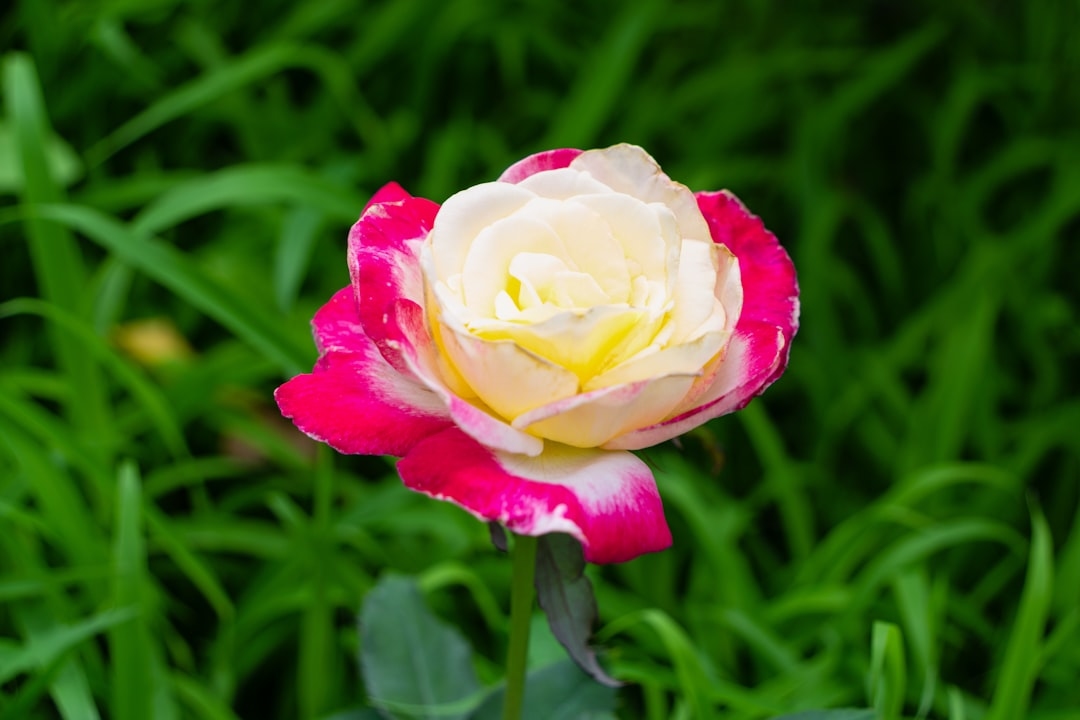
In contemporary gifting culture, yellow roses mean friendship, warmth, joy, and caring. They’re celebratory and uplifting. A bouquet of yellow roses says: I’m happy for you. Being around you makes life brighter. You matter to me.
Yellow roses are appropriate for:
- Celebrating a friend’s good news
- Get-well bouquets
- Congratulations
- Thank-you gestures for non-romantic contexts
- “Just because” arrangements that communicate warmth without romance
They pair beautifully with white accents for a clean, cheerful look, or with soft green foliage for something that feels fresh and garden-inspired. Yellow roses are particularly powerful in late winter and early spring — they carry the energy of the season perfectly.
Lavender and Purple Roses: Enchantment and the Extraordinary
Lavender and purple roses sit outside the classic four-color canon, but they’re increasingly relevant — particularly as specialty florists carry more varied stock. Their meaning draws from a combination of the cultural associations of purple (royalty, mystery, magic) and the rose’s inherent romantic symbolism.
Lavender roses specifically communicate enchantment — the feeling of being dazzled by someone, of finding them extraordinary. They’re often given at the beginning of a relationship when everything still feels slightly magical, or to someone whose talents genuinely astonish you.
They’re also increasingly popular for weddings and events because of the visual drama they create, especially in mixed arrangements. Flowers Central Jersey carries Lavender Long Stem Roses starting at $72, and their lavender options pair strikingly with white for an arrangement that looks both modern and timeless.
Mixing Rose Colors: When Combinations Say More Than Single Colors
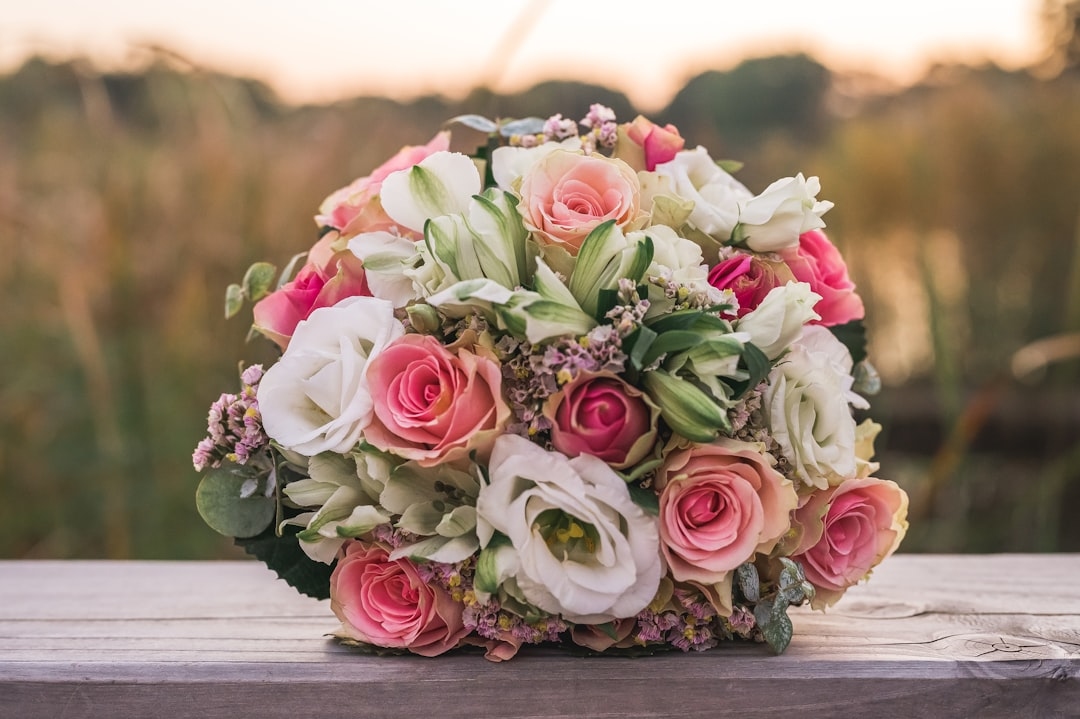
One of the most overlooked aspects of rose color meaning is what happens when you mix colors intentionally. A florist who knows their craft can create layered emotional messages through thoughtful combinations.
Some combinations that work particularly well:
- Red + white: Unity and togetherness. Common in wedding arrangements. Says “we are stronger together.”
- Pink + white: Tender affection and purity. Works beautifully for new babies, bridal showers, or celebrating someone’s gentleness.
- Yellow + white: Cheerfulness and hope. A warm, uplifting combination for get-well arrangements or celebratory moments.
- Red + pink: A softer take on romantic love — passion tempered with warmth and care.
- Red + light pink: Playful and loving — great for a partner you’re comfortable with, where the relationship has moved beyond the intensity of pure red into something warmer.
When ordering from luxury bouquet flowers collections, you’ll find that the best signature arrangements have already done this combinatorial thinking for you. The Anora Red & Cream Roses with White Hydrangea bouquet, for example, layers the passion of red with the purity of cream and white — creating something that reads as deeply romantic but also elegant and refined.
How Many Roses to Give: The Numbers Guide
The count matters almost as much as the color in traditional floriography. Here’s a quick reference:
- 1 rose: Love at first sight, or a simple, sincere declaration
- 3 roses: “I love you” — the three words given in bloom form
- 6 roses: Infatuation; you’re constantly thinking of someone
- 12 roses: The classic “be mine” — complete devotion
- 24 roses: Every hour of the day, I’m thinking of you
- 36 roses: Undying love and commitment
- 50 roses: Unconditional love — a grand gesture for milestone occasions
- 100 roses: Total devotion; a statement that needs no words at all
For most everyday gifting — birthdays, anniversaries, thank-yous — 12 stems is the sweet spot. It’s generous without being overwhelming, and it photographs beautifully.
Practical Tips for Choosing the Right Rose Color
Now that the symbolism is clear, here are the practical questions to ask before you order:
- What is the occasion? Match the emotional register of the event. Romantic occasions call for red or deep pink; celebrations call for pink or yellow; sympathy calls for white; friendship calls for yellow.
- What is your relationship to the recipient? A close partner, a new acquaintance, a colleague, and a parent all warrant different approaches. Red for a boss is a serious miscalculation. Yellow for your spouse on a major anniversary might feel thin.
- What does the recipient actually love? If someone has told you their favorite color is yellow or they always buy pink flowers for their own home, that’s your answer. Personal resonance beats symbolic convention every time.
- Does the recipient come from a specific cultural background? Be aware of cultural color associations that may differ from Western defaults.
- What aesthetic do you want? Drama calls for red or deep colors. Softness calls for pink and blush. Elegance calls for white. Warmth calls for yellow.
If you’re genuinely uncertain, a well-designed mixed bouquet from a skilled florist is almost always the right answer. The professionals at Flowers Central Jersey — located at 356 US Highway 9 in Manalapan, NJ — can guide you through options that hit exactly the right note. You can also browse their full rose collection at https://www.flowerscnj.com/roses/ for a complete look at what’s available.
Rose Care Tips to Make Any Bouquet Last
Once you’ve chosen the perfect color and count, it would be a shame to let the flowers fade prematurely. Here are the fundamentals:
- Cut stems at an angle: A diagonal cut increases the surface area for water absorption. Do this immediately before placing roses in water.
- Remove leaves below the waterline: Submerged foliage decays quickly and contaminates the water, shortening vase life significantly.
- Use the right water temperature: Lukewarm water for most roses; cold water for garden roses that have already bloomed fully.
- Change the water every two days: Fresh water with a clean vase prevents bacterial buildup, which is the main cause of early wilting.
- Keep away from direct sunlight and fruit: Sunlight accelerates aging. Ripening fruit releases ethylene gas, which also hastens petal drop.
- Use floral preservative: The little packet that comes with your bouquet actually works. Use it.
With proper care, quality long-stem roses from a reputable florist should last 7–12 days. Some customers at Flowers Central Jersey report their arrangements lasting nearly two weeks — which is a testament to both freshness at point of purchase and proper care at home.
FAQ: Rose Color Meanings
Can I give red roses to someone who is just a friend?
You can, but be aware of what they might read into it. Red roses carry such a strong romantic association in American culture that giving them to a platonic friend — unless the relationship is clearly established — can create confusion. If you want to honor a close friendship warmly, deep pink or yellow are safer and still very meaningful choices.
What rose color is best for a first date?
A single red rose is classically romantic for a first date if you’re confident about your intentions. If you’d prefer something softer and less intense, a small bouquet of light pink roses says “I’m interested and I think you’re lovely” without the full weight of a red declaration. Trust your read on the person.
Are white roses only for funerals and weddings?
Not at all. White roses are beautiful for graduations, apologies, new babies, and any moment of meaningful transition. The association with funerals exists but it’s one context among many. In contemporary American gifting culture, white roses read as elegant and sincere across a wide range of occasions.
What do yellow roses mean in 2026 — do people still associate them with jealousy?
The jealousy association is largely obsolete in the United States. Younger generations — the primary rose-buying demographic today — associate yellow roses almost entirely with friendship, joy, and celebration. If you’re sending yellow roses to someone under 50 in America, you can be confident they’ll read warmth and happiness, not suspicion.
How do I choose between buying a single color versus a mixed bouquet?
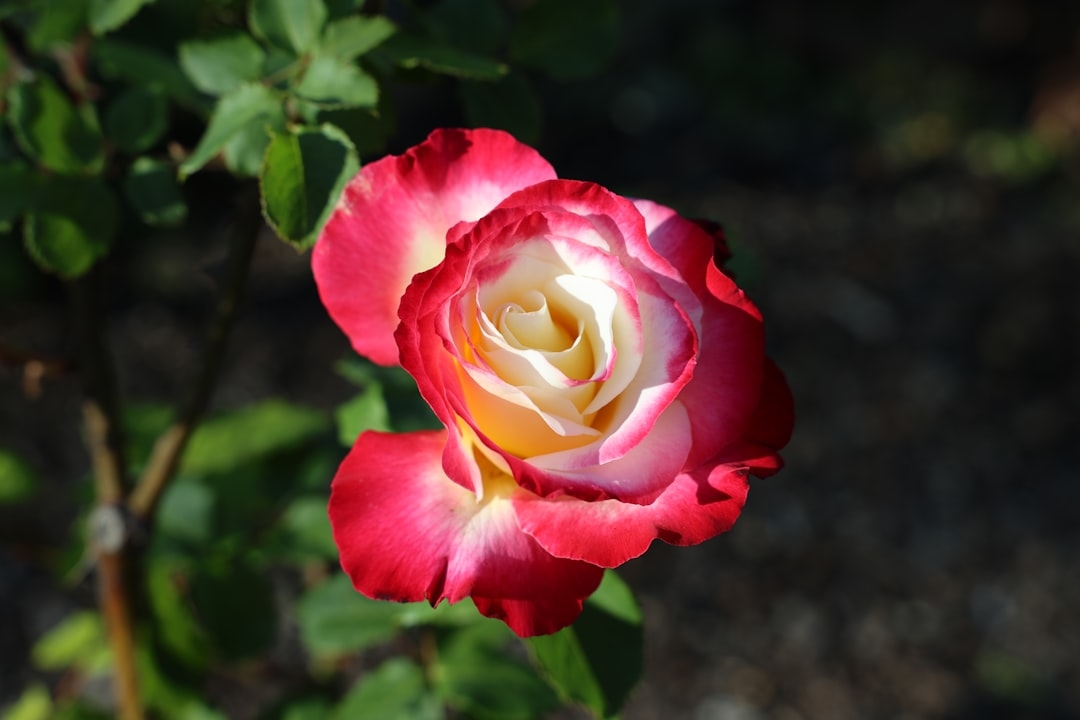
Single-color bouquets make a focused, intentional statement — great when you know exactly what you want to say. Mixed bouquets are visually richer and emotionally layered — excellent when you want something that feels abundant and celebratory, or when you’re not sure which single color fits best. Either approach can be beautiful; the difference is in precision versus generosity of expression.
Rose colors aren’t just decoration — they’re a vocabulary. Once you learn to speak it, every bouquet becomes a sentence, and the right sentence at the right moment has a power that lasts long after the petals fall.