


Contents:
- Why Are Carnations a Florist’s Favorite? (Direct Answer)
- The Carnation’s Secret Weapon: Unmatched Vase Life
- Holding Their Own in Any Arrangement
- All the Colors Under the Sun–Naturally and Beyond
- Natural Range & Modern Innovations
- Budget-Friendly Without Looking Cheap
- Cost-Effectiveness, Bulk & Accessibility
- Tough Stems, Easy Travels: The Florist’s Logistics Dream
- Shipping & Handling Superpowers
- A Symbol with Staying Power: Tradition Meets Trend
- Deep Roots in American Celebrations
- Versatility: The Designer’s Secret Weapon
- From Classic to Cutting-Edge
- Carnation Myths, Debunked
- Why do florists use carnations so much in arrangements?
- How long do carnations last in a vase?
- Are dyed carnations safe, and do they last as long?
- What events are carnations best suited for?
- Can carnations look modern in floral designs?
What Makes Carnations So Popular With Florists
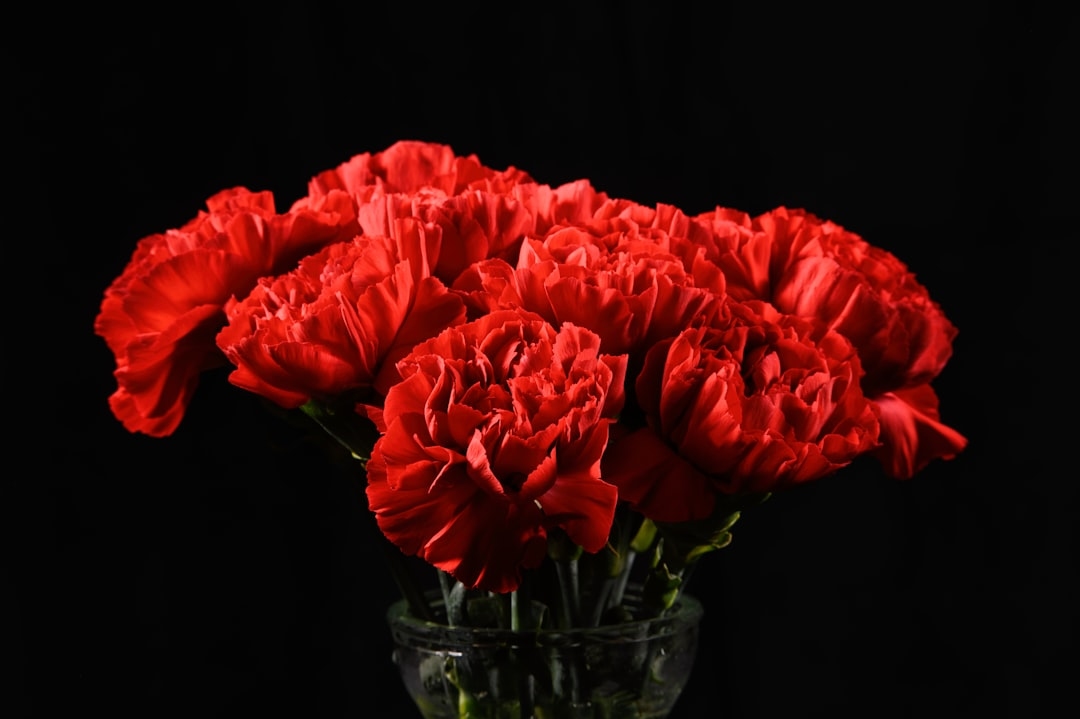
Walk into almost any US flower shop, and tucked between the showstoppers–roses, lilies, peonies–you’ll spot clusters of carnations. Their ruffled blooms aren’t just filling bouquets. They’re anchoring arrangements that run the gamut from prom corsages to memorial wreaths. In 2026, American florists buy more than 700 million stems of carnations annually. What’s behind the enduring love affair? It’s not just about price.
Why Are Carnations a Florist’s Favorite? (Direct Answer)
Carnations are so popular with florists because they’re affordable, incredibly long-lasting (often staying fresh for 2-3 weeks), available year-round in nearly every color imaginable, and versatile enough for any floral design. Their sturdy stems and full blooms make them a practical choice for arrangements that need to withstand transport, handling, and display. Compared to many cut flowers, carnations offer one of the best combinations of value and flexibility.
The Carnation’s Secret Weapon: Unmatched Vase Life
Holding Their Own in Any Arrangement
Ask any seasoned florist, and they’ll mention longevity as the carnation’s “superpower.” Dr. Laura Yates, a horticultural consultant with the American Floral Endowment, points out, “Cut carnations can routinely last 14 to 21 days in clean water. That’s almost twice as long as a typical rose.” For event planners, this means boutonnieres or bridal bouquets built early in the week look just as perky days later.
- Average vase life: 14-21 days
- Longest-lasting common cut flower in the US retail market
- Ideal for: Sympathy arrangements, corporate events, hospital bouquets
Even with basic care (just change the water every three days and trim stems), carnations outlast most.
“It’s the one flower you can count on not to wilt by Thursday.”
–Maggie Rivera, Owner, River City Florist, San Antonio, TX
All the Colors Under the Sun–Naturally and Beyond
Natural Range & Modern Innovations
Originally native to the Mediterranean, wild carnations were mostly pink or pale purple. Fast forward to 2026: U.S. growers like Esmeralda Farms in California and Dümmen Orange in Florida propagate carnations in hues from crisp whites to deep burgundies, vibrant oranges, and even variegated stripes.
But science and artistry have pushed things further. With stem dyes and genetic advances, florists can source:
- Electric blue or turquoise carnations (lab-dyed)
- Bi-color “painted” petals
- Pastel rainbow shades for gender reveals or Pride arrangements
Florist supply catalogs in 2026 list more than 300 named carnation varieties, including popular hybrids like ‘Moonlight’ (lavender) and ‘Coral Reef’ (vivid salmon-pink). This chromatic abundance lets designers tailor bouquets for every season or branding palette.
| Flower Type | Natural Colors | Dyed/Artificial Options | Average Retail Price (US, 2026) |
|---|---|---|---|
| Carnation | White, pink, red, yellow, purple, green | Blue, black, rainbow | $1.20-$1.85/stem |
| Rose | White, pink, red, yellow, orange | Blue, gold, black | $2.50-$3.50/stem |
| Gerbera Daisy | Red, orange, pink, yellow, white | Rare (fragile flower) | $2.00-$2.80/stem |
Budget-Friendly Without Looking Cheap
Cost-Effectiveness, Bulk & Accessibility
Carnations are a workhorse for value-minded florists. A standard bunch of 25 stems ranges from $20-$35 wholesale in 2026 from suppliers like Mayesh or FiftyFlowers. In contrast, roses and peonies can fetch double or triple that–even higher during Valentine’s spikes.
This affordability doesn’t come at the cost of aesthetics. A dense cluster of ruffled carnations mimics the fullness of much pricier blooms. Wedding planners frequently use carnations as “filler” flowers, but clever designers make them the star–think monochrome bouquets or lush flower walls.
When do carnations save the day?
- Large scale events (graduations, conventions, galas)
- Nonprofit fundraisers on tight budgets
- DIY wedding florals
A single carnation bloom can fill as much volume as two to three spray roses, making them the go-to for achieving that Insta-worthy fullness.
Tough Stems, Easy Travels: The Florist’s Logistics Dream
Shipping & Handling Superpowers
According to FedEx Floral’s 2026 shipping report, carnations experience up to 70% fewer transit losses compared to more delicate species like hydrangeas. The secret: their strong, flexible stems and tightly-packed petals. These flowers don’t “shatter” or bruise easily.
Farms from Bogotá to California truck thousands of cases weekly across North America–carnations arrive looking as fresh in Boston as they did when packed in Colombia. For national flower-delivery brands like 1-800-Flowers and Teleflora, this reliability keeps customer complaints (and refund rates) down.
- Carnation stem breakage rate: Less than 2% in transit (industry average: 5-10%)
- Hydration tolerance: Can travel dry-packed up to 6 days
This logistical resilience means less waste, less headache, and healthier profit margins for local shops and big online retailers alike.
A Symbol with Staying Power: Tradition Meets Trend
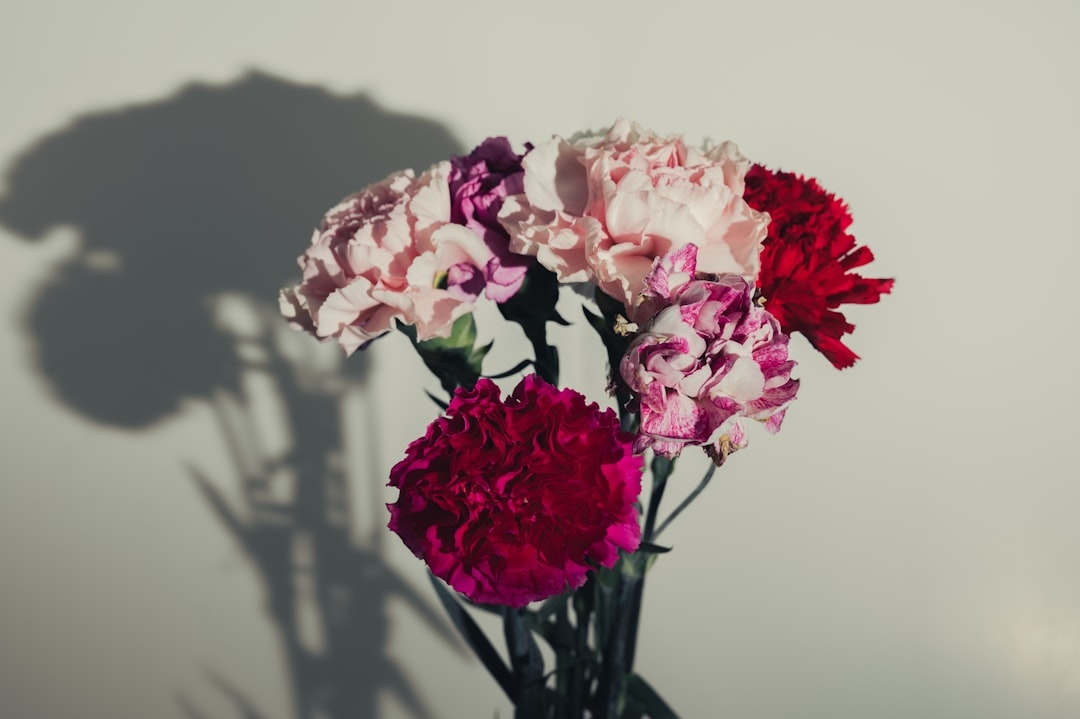
Deep Roots in American Celebrations
Mother’s Day, founded in 1908 by West Virginia’s Anna Jarvis, originally honored moms with white carnations. The tradition stuck–florists estimate carnations make up 35% of Mother’s Day sales in the US, even as consumers branch out into tulips or lilies.
Carnations’ meaning-flexibility seals the deal. Red for admiration, pink for gratitude, white for remembrance. They feature in:
- Military and police memorials (often as red or white wreaths)
- High school dances (as the classic corsage/boutonniere)
- LGBTQ+ Pride arrangements (rainbow-dyed varieties)
- Graduation leis across Hawaii and California
Whether expressing love or honoring loss, carnations “speak” the right language.
Versatility: The Designer’s Secret Weapon
From Classic to Cutting-Edge
Carnations aren’t just background noise–they’re trending in high-style design. New York’s Floratorium studio reports a 40% increase in all-carnation orders from corporate clients since 2022. Why? The flower’s multifunctionality:
- Ruffling up romance in vintage-inspired bouquets
- Creating modern, geometric installations with single-color blocks
- Mixing into bohemian, wildflower-style bunches for Gen Z clients
Carnations respond well to new eco-friendly floral foams and are perfect for foam-free, hand-tied designs too. Their pliable stems take wiring and taping without snapping. No other common cut flower is as forgiving to beginners and pros alike.
Carnation Myths, Debunked
Despite their many positives, carnations sometimes get a bad rap as “old-fashioned” or “cheap.” But the numbers–and creative trending–tell another story. Watch the next big wedding on Instagram or a celebrity red carpet: those lush, textured bouquets? Yes, that’s usually carnation at work.
FAQ: Carnations and Florists
Why do florists use carnations so much in arrangements?
Florists rely on carnations because they are affordable, have a long vase life (2-3 weeks), come in a wide variety of colors, and withstand handling and shipping better than most other popular flowers.
How long do carnations last in a vase?
Carnations typically last 14 to 21 days in fresh water, which is almost twice as long as many other cut flowers like roses or tulips.
Are dyed carnations safe, and do they last as long?
Yes, professionally dyed carnations are safe for handling and display. They last just as long as naturally colored ones, provided they’re cared for properly (fresh water, regular trimming).
What events are carnations best suited for?
Carnations are ideal for large events like weddings, proms, corporate galas, and holidays (especially Mother’s Day and graduations) because they’re cost-effective and long-lasting.
Can carnations look modern in floral designs?
Absolutely. Modern florists use carnations for trendy, monochrome arrangements, flower walls, and contemporary geometric designs. Creative use and new color varieties have made them a stylish choice for 2026.
Ready to Rethink the Carnation?
Next time you’re planning a celebration, consider giving the humble carnation a starring role. Whether you’re a DIY flower enthusiast or working with a pro, experiment with bold color blocks, layered textures, or unexpected pairings. The carnation’s unmatched blend of durability, style, and affordability means it’s no longer just the “filler”–it’s the foundation of floristry’s future.