





Contents:
- Flowers in Christian Iconography – A Quick Answer
- The Roots: Pagan to Christian Symbolism
- Inherited Meanings
- Adoption in Early Church Art
- Medieval Flower Language: Defining the Iconography
- The Lily: Purity and the Virgin Mary
- The Rose: Martyrdom and the Passion
- The Passionflower: A Botanical Gospel
- Table: Key Flower Meanings in Christian Iconography
- Flowers in Liturgy and Church Life
- Sacred Calendars and Rituals
- American Floristry Traditions
- Saints, Stories, and “Flower Miracles”
- Hagiography in Bloom
- Modern Miracles
- Why Flower Symbolism Still Matters in 2026
- Spiritual, Emotional, and Visual Power
- Cultural Diversity in the US Church
- List: Iconic U.S. Churches and Their Signature Flowers
- Pull-Quote
- FAQ: Flowers and Christian Iconography
- What flower is most commonly associated with the Virgin Mary?
- Why are roses seen as a symbol of Christ’s suffering?
- Which flowers are used for Christian funerals in the United States?
- What is the meaning of palm branches in Christian worship?
- How do modern florists incorporate Christian symbolism in their designs?
- Bringing Tradition Home: Let Flowers Tell Your Story
How Flowers Became Part of Christian Iconography
Picture a Renaissance cathedral in Florence, sunlight streaming through stained-glass roses, dappling lilies carved into stone. For centuries, flowers have been far more than pretty decoration in Christian art. Their petals whisper spiritual truths. Their colors speak a silent theology. In 2026, you’ll still find lilies beside altars from Boston to Los Angeles, and roses nestled in Easter bouquets sent by FTD or UrbanStems. But how did these blooms become a language of faith?
Flowers in Christian Iconography – A Quick Answer
Flowers became part of Christian iconography by absorbing ancient symbolism and adapting pagan floral motifs as Christian faith spread. By the 4th century AD, early Christians used flowers in art and worship to represent the virtues, purity, and aspects of Christ, Mary, and the saints. Over centuries, specific flowers–like lilies for Mary’s purity or roses for Christ’s sacrifice–gained defined meanings, reinforced through liturgy, literature, and church decor.
The Roots: Pagan to Christian Symbolism
Inherited Meanings
Long before Christianity, Greeks crowned heroes with laurel and Romans showered brides with myrtle. Flowers symbolized everything from love to mourning in ancient cultures. When Christianity emerged around the 1st century AD, it didn’t just erase these traditions; it repurposed them. As Dr. Sandra Rivas, a religious art historian at Columbia University, puts it:
“Much of Christian flower symbolism is what we’d call syncretic. Early church leaders overlayed Christian meaning onto familiar botanical symbols to gently guide converts away from pagan rituals.”
Adoption in Early Church Art
Catacomb frescoes in 3rd-century Rome often featured vines, palms, and even poppies–symbols of immortality and paradise. This wasn’t mere ornamentation; it was code. Christians risked persecution, so subtle botanical images served as secret signs of faith.
Medieval Flower Language: Defining the Iconography
Between 500 and 1500 AD, Christianity flourished across Europe, and so did its visual language. This period cemented flowers in Christian art, each with its own carefully cultivated meaning.
The Lily: Purity and the Virgin Mary
No flower dominates Christian symbolism quite like the lily. By the 12th century, artists in France and Italy painted the Madonna with a white lily, conveying Mary’s purity and immaculate conception. In contemporary America, Statista reports that lilies rank among the top three cut flowers sold during Easter in 2026, with over $290 million in US sales.
The Rose: Martyrdom and the Passion
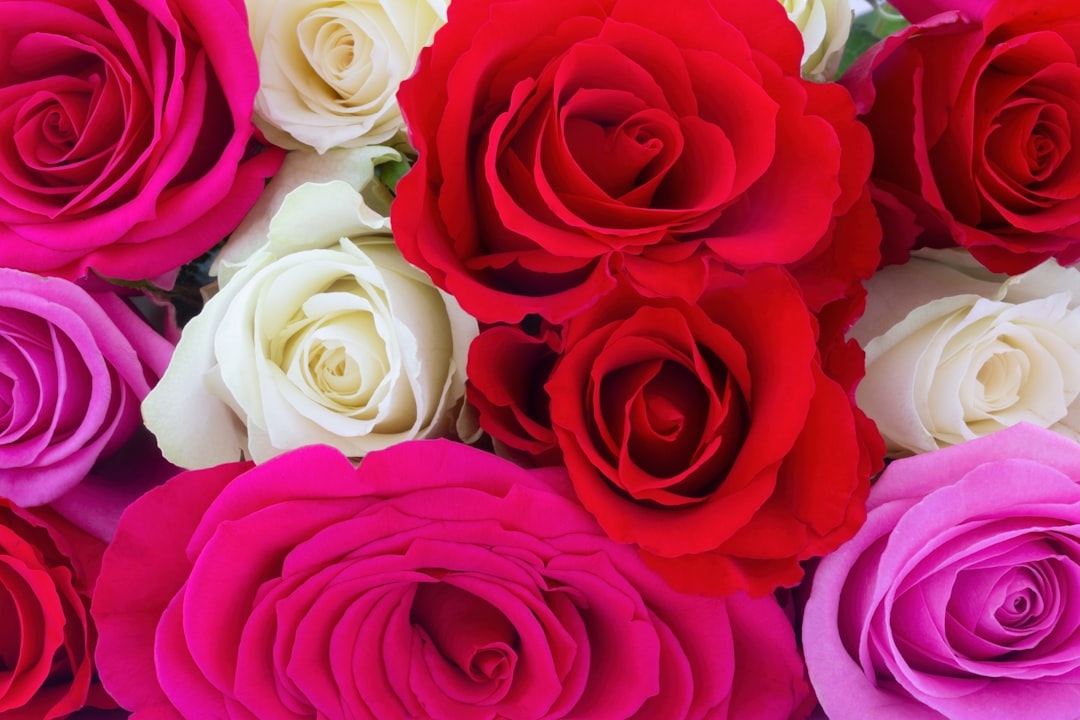
Roses–especially red–came to represent Christ’s blood and suffering, as well as Mary’s healing love. The “Mystical Rose” is still a Marian title in Catholic prayers. In contrast, the five-petaled rose in Gothic stained glass often symbolizes the five wounds of Christ.
The Passionflower: A Botanical Gospel
In Latin America and the southern US, the passionflower is a striking example. Its unique structure–10 petals (the apostles), tendrils (the whips), corona filaments (the crown of thorns)–tells the story of Christ’s crucifixion. American botanist Tom Alvarez, PhD, notes, “No other bloom so physically narrates the Passion story.”
Table: Key Flower Meanings in Christian Iconography
| Flower | Symbolism | Common Appearances |
|---|---|---|
| White Lily | Purity, Virgin Mary | Altars, Annunciation art |
| Red Rose | Martyrdom, Christ’s blood | Stained glass, funerals |
| Palm Branch | Victory, martyrdom, eternity | Palm Sunday, funerals |
| Passionflower | Christ’s Passion | Southern church gardens |
| Violet | Humility, modesty | Lenten arrangements |
| Iris | Faith, the Trinity | Baptismal fonts, murals |
Flowers in Liturgy and Church Life
Sacred Calendars and Rituals
Floristry isn’t limited to art. In the US, churches spend millions on floral displays for Easter and Christmas. A 2026 survey by the National Association of Church Decorators found that 78% of parishes commission professional florists for major feasts, with average budgets around $1,800 per event.
- Palm Sunday: Palms symbolize victory over death, distributed in churches nationwide.
- Easter: Lilies, daffodils, and hyacinths herald resurrection.
- All Saints’/Memorial Day: White roses and chrysanthemums honor the departed.
American Floristry Traditions
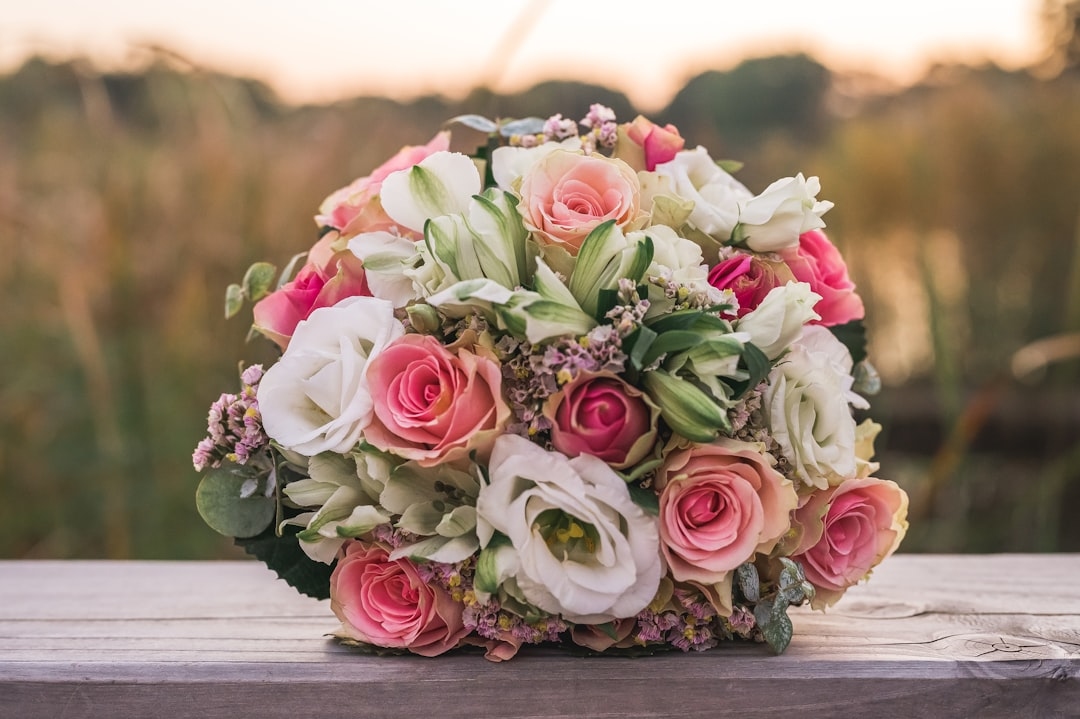
It’s not all ancient ritual. Modern florists–like Teleflora or 1-800-Flowers–offer “Christian sympathy” arrangements featuring crosses made of carnations or “Madonna” bouquets with white lilies, catering to US customers’ religious sensibilities.
Saints, Stories, and “Flower Miracles”
Hagiography in Bloom
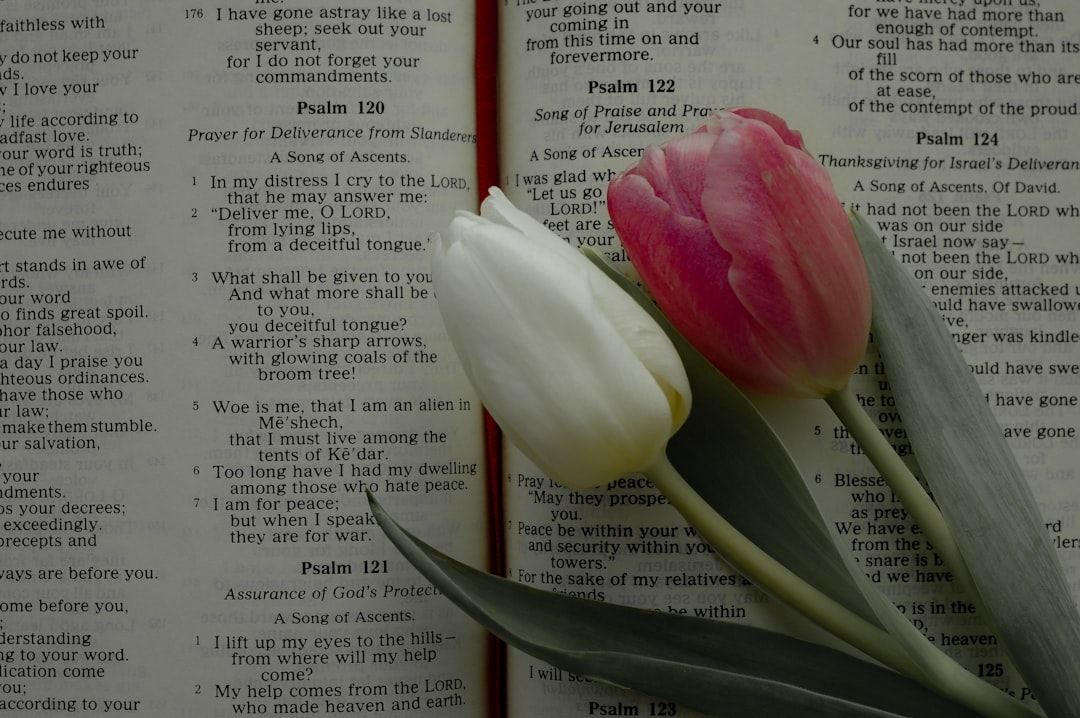
Many saints are paired with flowers. St. Thérèse of Lisieux, known as “The Little Flower,” promised a “shower of roses” as a sign of answered prayers. St. Elizabeth of Hungary’s apron turned to roses when caught giving bread to the poor.
Modern Miracles
Even today, people report miraculous fragrances or unexplained blooms at sites like Lourdes or Fatima. This blend of folklore and faith keeps flower symbolism alive for new generations of American Christians.
Why Flower Symbolism Still Matters in 2026
Spiritual, Emotional, and Visual Power
No emoji or digital image replaces the resonance of a real blossom. According to master florist Ruby Chen (L.A.-based, AIFD-certified), “Flowers connect the physical and the spiritual. In a church or at home, they tell sacred stories without a single word.”
Cultural Diversity in the US Church
In 2026, the American church is more diverse than ever. Hispanic congregations use marigolds for Día de los Muertos altars, while Eastern Orthodox churches in Chicago fill icons with bright, fragrant gardenias and basil. These local variations keep traditions vibrant and evolving.
List: Iconic U.S. Churches and Their Signature Flowers
- Washington National Cathedral, DC: Hosts a renowned annual “Flower Mart” featuring Easter lilies.
- St. Patrick’s Cathedral, NYC: Famous for its rose-themed stained glass and Lenten violet arrangements.
- Mission San Juan Capistrano, CA: Surrounded by swallows and vibrant passionflowers every spring.
Pull-Quote
“Flowers are the church’s original visual language–every altar bouquet is a living sermon.”
– Rev. Michael Bennett, Episcopal priest and floral designer, Atlanta
FAQ: Flowers and Christian Iconography
What flower is most commonly associated with the Virgin Mary?
The white lily is most closely linked to the Virgin Mary, symbolizing purity and the Annunciation. Many US churches display lilies on Marian feast days and during Easter.
Why are roses seen as a symbol of Christ’s suffering?
Red roses represent Christ’s blood shed during the Passion and are often featured in church art and funerals to evoke sacrifice and redemption.
Which flowers are used for Christian funerals in the United States?
White lilies, chrysanthemums, and roses are standard for Christian funerals, symbolizing purity, peace, and the promise of resurrection. Most US florists offer specialty arrangements reflecting these meanings.
What is the meaning of palm branches in Christian worship?
Palm branches symbolize victory over death and eternal life. They are distributed on Palm Sunday to commemorate Jesus’ triumphant entry into Jerusalem.
How do modern florists incorporate Christian symbolism in their designs?
Many American florists use flowers with established religious meanings (such as lilies or crosses made of flowers) in arrangements for religious holidays, sympathy gifts, and church decor, often customizing based on denominational or cultural preferences.
Bringing Tradition Home: Let Flowers Tell Your Story
Next time you’re at Sunday service or browsing bouquets online, look for the deeper meanings in those petals. If you’re planning a celebration, memorial, or simply hope to bring reverence into your home, ask your local florist to suggest blooms with stories rooted in centuries-old faith. In 2026, a bouquet is never just a bouquet–it’s the living memory of a tradition that stretches from ancient catacombs to your doorstep. Try learning one new flower story this year, or bring a symbolic stem to your next gathering. Flowers have been Christian messengers for millennia. They still have something to say.