



Contents:
- Quick Answer: Can You Over-Water Cut Flowers?
- Why Over-Watering Cut Flowers Is a Hidden Problem
- The Science: How Water Affects Flower Health
- How Much Water Should I Use for Cut Flowers?
- Signs You’re Over-Watering Cut Flowers
- Why Water Quality and Cleanliness Matter More Than Quantity
- Best Practices for Flower Vase Water
- Over-Watering Myths: What Actually Shortens Vase Life?
- Special Cases: Roses, Hydrangeas, and Other Thirsty Blooms
- Pull-Quote
- Keeping Flowers Fresh: The American Home Florist’s Checklist
- FAQ
- How often should I change the water in my flower vase?
- Will filling the vase to the top hurt my cut flowers?
- What’s the best water temperature for cut flowers?
- Why do my flowers get brown and mushy so quickly?
- What is flower food, and do I need it?
- Next Bouquet: Try the Less-Is-More Water Method
Can You Over-Water Cut Flowers? How Much Water Is Too Much for Your Vase
Walk into any grocery store or florist in June and you’ll spot hydrangeas drooping sadly beside roses standing proud and perky. What went wrong for those sad blooms? It’s not always just old age. Over-watering cut flowers is a real risk–and one few people talk about. The misconception that “more water is always better” can actually shorten the life of your bouquet.
Quick Answer: Can You Over-Water Cut Flowers?
Yes, you can over-water cut flowers, but not in the way you might think. The problem isn’t the water’s height in the vase–it’s the water’s quality and how dirty, stagnant water encourages stem rot and bacteria growth, which kills flowers faster.
Change the vase water every 1-2 days, keep stems trimmed, and never fill the vase above halfway for most flowers. Too much water submerges leaves and stems, raising the risk of decay.
Why Over-Watering Cut Flowers Is a Hidden Problem
Most folks picture underwatered bouquets wilting fast, but over-watering has its own telltale signs. American florists report that nearly 60% of premature vase flower deaths are caused by bacteria and mold–conditions worsened by excessive water levels.
Jennie Lane, AIFD-certified floral designer in Portland, OR, puts it simply:
“The more plant material you dunk under the waterline, the more you feed the bacteria. Less is more. You want stems wet, leaves dry.”
The Science: How Water Affects Flower Health
- Leaves under water: These rot and feed bacteria, clouding water and clogging stems.
- Stagnant water: Unchanged water quickly becomes a breeding ground for microbes, especially if the vase is crowded.
- Water level: Deep water isn’t inherently bad, but more submerged material means more surface area for rot.
How Much Water Should I Use for Cut Flowers?
Florists recommend filling a vase about one-third to halfway full for most mixed bouquets and roses. Exception: thirsty flowers like hydrangeas and peonies can handle higher levels, but always trim off any leaves that’d fall below the water.
Table: Common Flower Types & Ideal Water Levels
| Flower Type | Ideal Vase Water Level | Special Notes |
|---|---|---|
| Roses | 1/3 to 1/2 vase height | Remove lower leaves, recut stems underwater |
| Tulips | 1/4 to 1/3 vase height | Prefer cool, shallow water |
| Lilies | 1/3 vase height | Remove pollen, avoid deep water |
| Hydrangeas | Up to 2/3 (deep) | Recuts, submerge stems if drooping |
| Daisies/Sunflowers | 1/2 vase height | Trim stems often, change water frequently |
Signs You’re Over-Watering Cut Flowers
It’s not about the “too wet” look like potted plants. Watch for these clues:
- Cloudy water after 24 hours (even with flower food)
- Acrid, swampy smell
- Soft, mushy stems–especially just below the waterline
- Leaves and petals turning brown or translucent
- Unexpected vase slime or visible mold
Dr. Sonja Blackwell, Horticulturist at University of Minnesota, notes that bacterial growth can double overnight in a vase left in the sun. “One drooping stem can kill a whole bouquet in hours if the water isn’t changed,” she adds.
Why Water Quality and Cleanliness Matter More Than Quantity
The real enemy isn’t the amount of water, but what’s swimming in it. In a 2024 Rutgers study, bouquets kept in 10 oz of clean, changed water outlasted those in 32 oz of stagnant water by 4-6 days on average. Clean, cool water is worth more than a deep fill.
Best Practices for Flower Vase Water
- Use lukewarm tap water, unless your flowers are bulbs (then use cold).
- Add commercial flower food (like Chrysal or FloraLife) at the recommended dose.
- Keep leaves out of the water.
- Rinse and refill every 48 hours minimum.
- Scrub the vase with soap between uses.
Over-Watering Myths: What Actually Shortens Vase Life?
Some beliefs hang on despite the science. Here’s the truth:
-
Myth: “Vases should be filled to the brim.”
Fact: Deep water risks submerging leaves and causing rot. -
Myth: “Flower food prevents all problems.”
Fact: Food helps, but it cannot neutralize heavy bacteria from decomposing organic matter. -
Myth: “More water equals a longer life.”
Fact: The shortest-lived bouquets are often those in large, stagnant vases.
Florist supply leaders like Wholesaleflowers.net now recommend “less water, changed more often” for home bouquets, especially in the US where tap water can vary widely in mineral and chlorine content.
Special Cases: Roses, Hydrangeas, and Other Thirsty Blooms
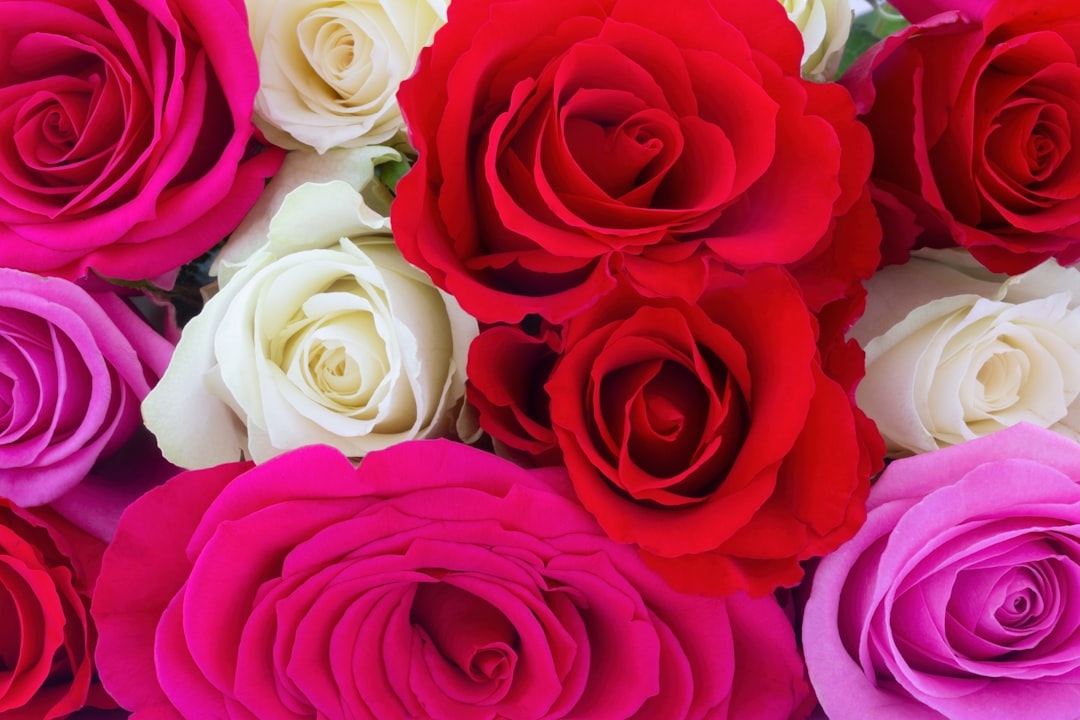
- Roses: Only stems should touch water. Remove all leaves below water line. Recut under water to prevent air bubbles.
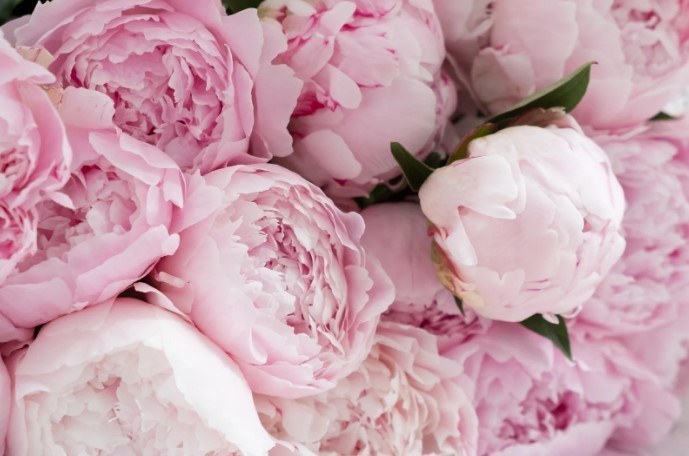
- Hydrangeas: These can drink from the flower head, not just the stem! Mist heads daily and dunk stems in deep water, changing it daily.
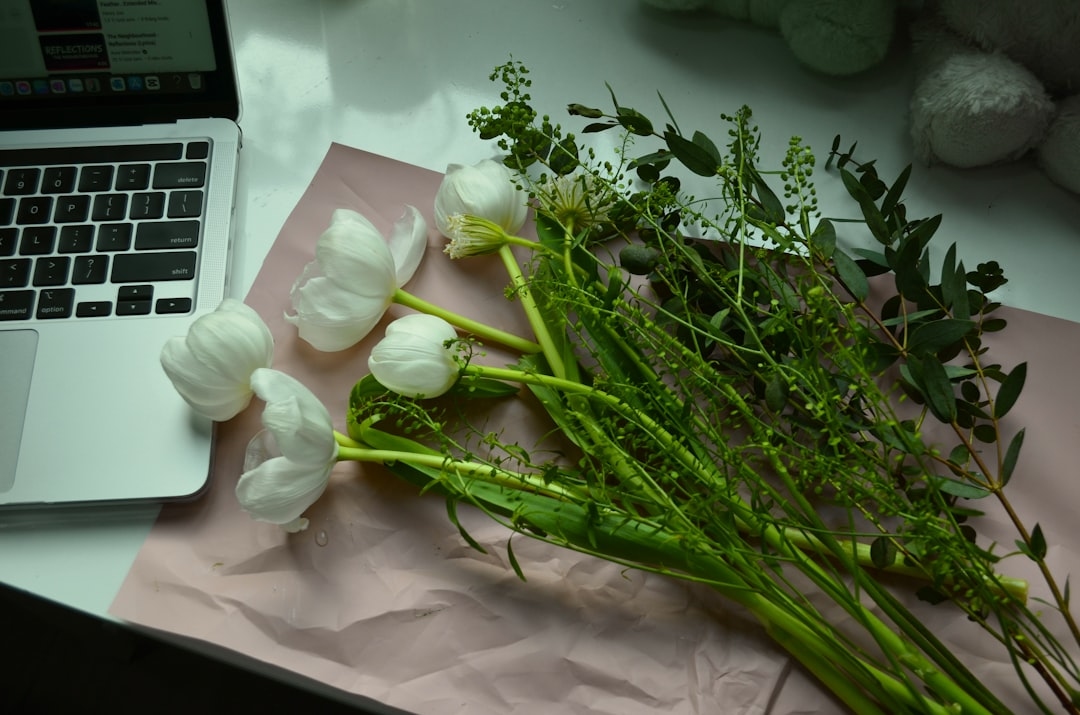
- Tulips: Prefer less water (1-2 inches). Too much causes floppy stems.
- Lilies: Sensitive to stale water, which turns pollen brown.
When in doubt, ask your local florist–services like UrbanStems or Bouqs have customer chat lines with care tips customized to your bouquet type.
Pull-Quote
“The best way to keep cut flowers fresh is to treat their water like you’d treat a house pet’s–fresh, clean, and not overfilled.” – Jennie Lane, AIFD
Keeping Flowers Fresh: The American Home Florist’s Checklist
- Remove all lower leaves before arranging.
- Trim stems at an angle every two days.
- Fill vase 1/3-1/2 full for most flowers.
- Change water and rinse vase every 48 hours.
- Add flower food at each change.
- Never place in direct sunlight or near fruit bowls (ethylene speeds decay).
FAQ
How often should I change the water in my flower vase?
Change vase water every 1-2 days. Fresh water slows bacteria growth and keeps stems hydrated, helping most bouquets last up to a week longer.
Will filling the vase to the top hurt my cut flowers?
For most flowers, yes. Filling the vase to the brim usually means leaves and sometimes petals end up underwater, which leads to faster decay and cloudy water. The ideal fill is about one-third to halfway up the vase.
What’s the best water temperature for cut flowers?
Lukewarm tap water (about 100°F/38°C) helps most flower stems absorb water efficiently. However, bulb flowers like tulips and daffodils prefer cold water, which helps keep stems firm.
Why do my flowers get brown and mushy so quickly?
This is usually caused by bacteria from decaying plant material in the water. Over-filled vases and infrequent water changes accelerate this problem. Always remove leaves below the waterline and replace water every two days.
What is flower food, and do I need it?
Flower food (provided in little packets or sold under brands like Chrysal in the US) extends bloom life by providing nutrients and inhibiting bacteria. It’s especially helpful, but not a magic fix if the vase isn’t kept clean.
Next Bouquet: Try the Less-Is-More Water Method
The next time you bring home fresh lilies or a grocery store bouquet, resist the urge to top up your vase. Focus on water cleanliness instead of quantity, and you’ll see flowers last days longer. For specialty blooms or tricky combos, your local American florist is a wealth of knowledge–don’t be shy to ask for their best water-level tips with your next order.
And if you’re passionate about beautiful blooms, start a care log. Track how long flowers last with various water levels, food packets, and change frequencies. You’ll quickly become the fresh flower expert among your friends–and your vases will stay lively longer than ever before.