









Contents:
- Quick Answers: How Do Professional Florists Transport Flowers Safely?
- Why Transport is Make-or-Break for Flower Designers
- Choosing the Right Vehicle for Floral Deliveries
- Cargo Vans vs. SUVs vs. Cars
- Essential Vehicle Modifications
- Packing Flowers for Safe Transport
- Keeping Stems Hydrated
- Preventing Bruising and Crushing
- Temperature and Humidity: The Silent Killers
- Controlling Climate On the Move
- Emergency Quick-Fixes
- Packing for Scale: Event Installations vs. Daily Deliveries
- Large-Scale Events (Weddings, Corporate)
- Everyday Bouquets and Online Orders
- Best Practices: The Pro’s Transport Checklist
- Common Mistakes and How to Avoid Them
- Top Pitfalls
- Solutions
- Flower Transport Innovations: What’s New in 2026
- Flower Transport FAQ
- How do florists keep flowers alive during delivery?
- What is the best time of day to transport flowers?
- Can you transport flowers in a regular car?
- What are the most common mistakes in flower transport?
- Which US companies provide specialized flower delivery vehicles?
- Next Steps: Elevate Your Transport Game
Complete Guide to Flower Transport for Designers
The morning of a big event, you’re loading $2,000 worth of peonies, tulips, and ranunculus into your SUV–temperature climbing, stems sweating, your heart pounding. Florists know this moment well. In 2026, American floral designers average 3-8 event installs per month, and every single one hinges on flawless flower transport. Get it wrong, and you risk wilted, bruised artistry. Get it right, and your arrangements arrive as fresh as they left the studio. Here’s how seasoned designers make flowers travel beautifully–from New York weddings to LA editorial shoots.
Quick Answers: How Do Professional Florists Transport Flowers Safely?
- Use conditioned water buckets, not empty vases, for loose stems
- Keep arrangements upright with crate dividers or seatbelt harnesses
- Control temperature: 35-40°F is ideal for most cut flowers
- Line vehicle floors with non-slip mats and avoid direct sun exposure
- Transport early morning or late evening to avoid heat extremes
- Allow extra time: Rushed handling leads to damaged blooms
- Bring along essentials: pruners, spray bottles, floral tape, spare packaging
Why Transport is Make-or-Break for Flower Designers
Flower transport isn’t just about getting point A to point B intact. According to Rosemarie Lin, AIFD-certified designer and owner of Lin Floral Studio in Austin, “Half of our quality control happens on the road.” Her shop logs 12,000 transport miles a year, and her data shows 1-in-5 arrangements arrives with some stem damage unless strict protocols are followed.
Damaged flowers equal disappointed clients and lost referrals. With the US floral market projected to reach $9.3 billion in 2026 (Statista), client expectations–and competition–are sky high. A designer’s reputation is only as good as the last delivered arrangement.
Choosing the Right Vehicle for Floral Deliveries
Cargo Vans vs. SUVs vs. Cars
Not all vehicles are created equal for flower delivery. Here’s a comparison table–real feedback from florists in New York, Texas, and California:
| Vehicle Type | Pros | Cons | Ideal For |
|---|---|---|---|
| Cargo Van | Spacious, temp-control possible, flat floor | Expensive, poor gas mileage, tough parking | Large event installs |
| Minivan/SUV | Flexible seating, moderate cargo space | Less temperature control, floral scent lingers | Medium weddings/events |
| Sedan/Hatch | Easy in cities, lower cost | Limited space, risk of crushed arrangements | Small deliveries, bouquets |
Pro tip: Amanda Brooks, head designer at Urban Stems DC, swears by renting a Ford Transit Connect with a portable AC unit for summer weddings, costing about $120/day.
Essential Vehicle Modifications
- Non-slip shelf liners: Prevent buckets from shifting (Target, $8/roll).
- Portable coolers or fans: Essential for summer–Ryobi battery-powered fans run $29-$59.
- Movable crates and bucket harnesses: IKEA Dröna bins ($5 each) fit perfectly for bouquet transport.
Packing Flowers for Safe Transport
Keeping Stems Hydrated
Flowers lose up to 20% of their moisture within 4 hours if left out of water, says Dr. Jamie King, horticulturist and FTD-certified trainer. For long drives, always use water-filled buckets. Fill each bucket just 1/3 full to avoid sloshing, and cut stems at an angle for maximum uptake.
- Arrangements in foam: Lock down foam in waterproof trays, then shrink-wrap the base.
- Hand-tied bouquets: Transport upright, stems loosely wrapped in damp paper towels, then covered in plastic.
Preventing Bruising and Crushing
Arrangements bruise easily when packed too tightly. Use these strategies:
- Milk crates: Sturdy, stackable, and perfectly sized for cylinder vases.
- Cardboard dividers: Slide between arrangements to prevent vase bumping.
- Bubble wrap or tissue: Cushion delicate petals, especially for orchids or garden roses.
“You wouldn’t drive with a wedding cake loose in a trunk. Flowers deserve that same respect.” – Rosemarie Lin, AIFD
Temperature and Humidity: The Silent Killers
Controlling Climate On the Move
Most flowers prefer 35-40°F, but tropicals (anthuriums, proteas) will brown below 55°F. Here’s a quick guide:
| Flower Type | Safe Temp Range | Notes |
|---|---|---|
| Roses, peonies | 35-40°F | Low humidity preferred |
| Orchids, anthurium | 55-65°F | Never chill below 50°F |
| Tulips | 35-40°F | Keep upright; stems grow toward light |
| Succulents | 40-70°F | No direct sun or freeze |
If your vehicle lacks built-in climate control, pack a digital thermometer (ThermoPro, $10) to monitor conditions. For hot weather, line car windows with reflective windshield covers and travel in early morning.
Emergency Quick-Fixes
- Wilting? Mist lightly, trim stems, and recut at delivery.
- Chilled flowers? Slowly acclimate to room temperature; don’t rush the process with heaters.
Packing for Scale: Event Installations vs. Daily Deliveries
Large-Scale Events (Weddings, Corporate)
When delivering 20+ centerpieces, logistics get tricky.
- Label everything: Use painter’s tape to mark each crate by table, floor, or suite.
- Load by delivery order: Last in = first out.
- Assign a “flower handler”: Don’t delegate to just any driver–choose someone trained in floral care.
Everyday Bouquets and Online Orders
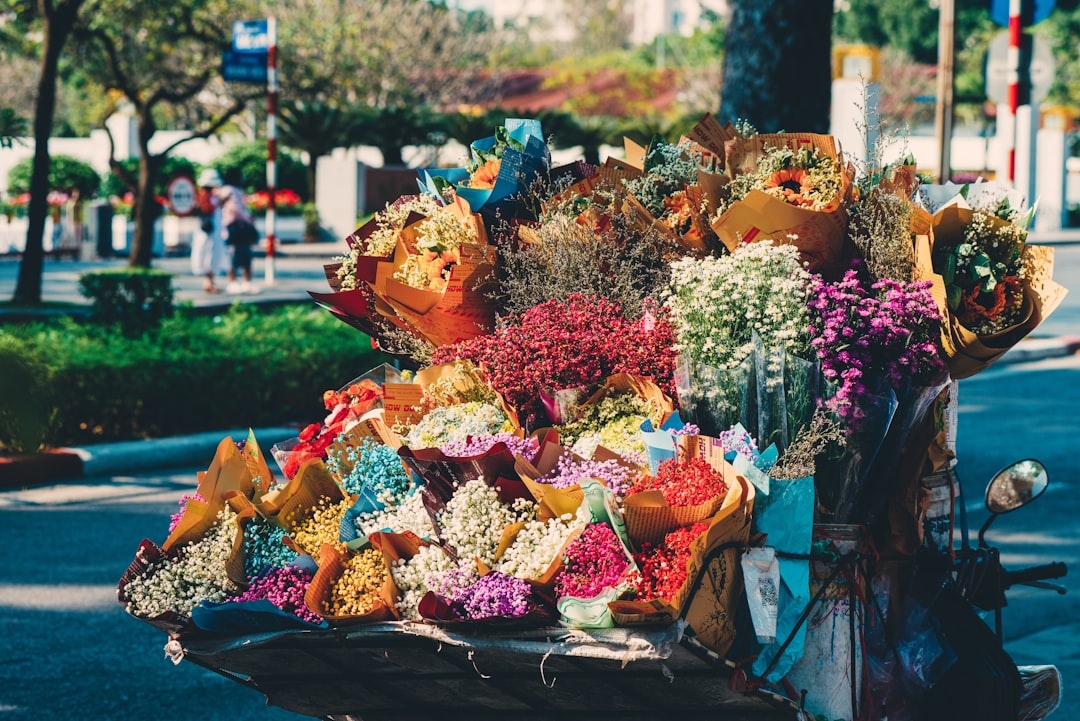
For single- or small-batch deliveries:
- Use small, leak-proof vases or hydration packs: FloraLife QuickDip hydration tubes ($15/pack of 50) extend vase life.
- Wrap securely in cellophane or kraft paper: Protects blooms and keeps moisture in.
Best Practices: The Pro’s Transport Checklist
Florists who deliver hundreds of orders a month keep a “go bag” of essentials:
- Sharp pruners
- Bottled water (for stem dipping/refills)
- Microfiber towels (for spills)
- Extra buckets
- Floral tape, wire, and zip ties
- Spray bottle (for misting)
- Spare vases and packing material
Pull-Quote: “A $5 bucket can save a $200 arrangement. Never skimp on the basics.” – Amanda Brooks, Urban Stems
Common Mistakes and How to Avoid Them
Top Pitfalls
- Overcrowding: Jamming too many vases in one bin.
- Ignoring climate: Leaving flowers in a hot van while unloading.
- Rushed handling: Skipping final stem trims at the destination.
- Unsecured arrangements: Allowing vases to tip and spill.
Stat Alert: According to a 2026 survey by the Society of American Florists, 43% of delivery mishaps are due to poor packing.
Solutions
- Pack less per crate; make two trips if needed.
- Always lock vehicle doors between loads (theft is a real issue in urban areas).
- Build in buffer time for post-arrival fixes.
Flower Transport Innovations: What’s New in 2026
- Temperature-controlled mobile pods: New tech like the FlowerBoxx Mobile (starting at $2,999) maintains set temperature/humidity for up to 8 hours–popular with event florists in Miami and Las Vegas.
- Eco-packaging: Compostable foam and recyclable paper wraps outpace traditional plastic sleeves.
- App-based route optimization: Services like Route4Me and Circuit save florists up to 30% in delivery time.
Flower Transport FAQ
How do florists keep flowers alive during delivery?
Florists use water-filled buckets, temperature control, and proper packaging to keep flowers alive. For longer trips, they may mist flowers, use hydration tubes, or deliver in refrigerated vans.
What is the best time of day to transport flowers?
Early morning is often best for transporting flowers in the US, as temperatures are cooler and sunlight is less intense. Avoid midday heat, especially from May to September.
Can you transport flowers in a regular car?
Yes, but extra care is needed. Use non-slip mats, keep the air conditioning on, and avoid stacking arrangements. Limit trips to small orders or bouquets if using a sedan.
What are the most common mistakes in flower transport?
Common mistakes include crowding arrangements, neglecting temperature, not securing vases, and failing to rehydrate flowers at the destination.
Which US companies provide specialized flower delivery vehicles?
Several US companies rent or sell specialized vans for florists, such as Ford (Transit Connect), Mercedes (Metris with built-in refrigeration), and Ram ProMaster City. Some local rental agencies also offer floral-friendly modifications.
Next Steps: Elevate Your Transport Game
The most memorable installations and happiest clients come from designs that arrive as vivid as they left your studio. Take stock of your current setup. Upgrade one part–maybe try a new crate system or a digital thermometer on your next delivery. Join a local florist Facebook group and swap hacks. The best flower designers in America aren’t just creative. They’re logistics pros with a toolkit in the trunk and a plan for every bloom.
Your next delivery is your next signature. Make it flawless.