


Contents:
- What is the Best Cutting Garden Plan for the Southwest?
- Why Cutting Gardens Thrive in the Southwest (And Where They Falter)
- Planning Your Cutting Garden: Layout, Spacing, and Sun
- Location and Layout
- Soil Prep for the Desert
- Water-Wise Irrigation
- Top Flowers for Cutting Gardens in the Southwest
- Annuals That Love Heat
- Perennials & Shrubs That Give Year After Year
- Regional Standouts
- Planting & Harvesting Calendar for the Southwest (2026 Edition)
- Water, Fertilizer, and Pests: Practical Care Tips
- Smart Watering
- Feeding for Maximum Blooms
- Pest Management
- Harvesting Flowers: Best Practices for Vase Life
- FAQ
- How much water do Southwest cutting gardens need?
- Can you grow tulips or peonies for cutting in the Southwest?
- What are the best flowers for beginner Southwest gardeners?
- Is it necessary to use raised beds for a cutting garden in the desert?
- How late in the year can I harvest flowers in the Southwest?
- Ready, Set, Sow: Start Your Southwest Cutting Garden
Cutting Garden Plan for the Southwest: Flowers That Thrive in Desert Heat
The desert morning feels impossibly quiet until a hummingbird darts through a cloud of cosmos. There’s color–vivid, exuberant–popping against adobe walls and gravel. In the American Southwest, traditional English cottage gardens wilt before spring’s over, but a thoughtfully designed cutting garden transforms dry yards into buckets of blooms, season after season.
Let’s get practical. Whether your home is in Phoenix, Santa Fe, or the high-desert neighborhoods outside El Paso, growing armfuls of flowers for cutting is absolutely possible. You just need a smart plan tailored to the sunbaked Southwest–and a few expert tips on the right flower varieties, timing, and water-wise methods.
What is the Best Cutting Garden Plan for the Southwest?
A cutting garden plan for the Southwest pairs drought-tolerant annuals and perennials (like zinnias, sunflowers, Mexican bush sage, and globe amaranth) with strategic drip irrigation, deep mulching, and smart succession planting to deliver continuous harvests from early spring through fall. Focus on heat-loving species, plant in blocks or rows for easy access, and use soil amendments to boost native sandy or clay soils.
Why Cutting Gardens Thrive in the Southwest (And Where They Falter)
The Southwest’s climate–think USDA Zones 7a to 10b–means more than just hot summers. There’s intense sun, low humidity, alkaline soils, and big temperature swings between day and night. All this can fry tender varieties. But, the long growing season (up to 240 frost-free days in places like Tucson) means heat-adapted flowers just keep coming.
Take zinnias. According to Terri Salazar, Master Gardener in New Mexico, “If you plant zinnia seeds after the last threat of frost and water deeply once a week, you’ll have fistfuls of blooms from May to November.” Compare that to peonies or tulips–garden classics in the Northeast, but near-impossible under relentless Southwestern sun.
Common Southwest cutting garden challenges:
- Inconsistent rainfall (Phoenix averages just 8 inches per year)
- Rapid soil evaporation
- Alkaline soils that lock up nutrients
- Hungry wildlife (jackrabbits, quail, ground squirrels)
Work with the climate, not against it–choose resilient plants and master a few tricks for conserving water.
Planning Your Cutting Garden: Layout, Spacing, and Sun
Location and Layout
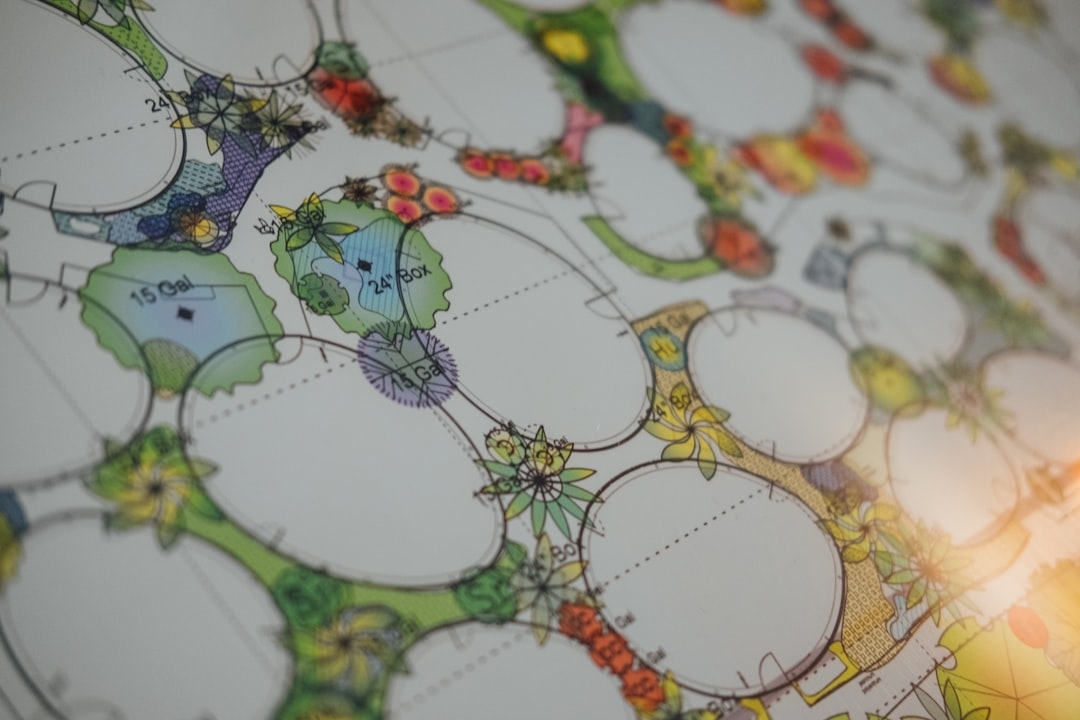
Select a spot with 6 or more hours of full sun–south- or west-facing is ideal. Wind protection helps, too. If you have gravel, decomposed granite, or hard-packed soil, raised beds (10-18” high) work wonders. A 4’ x 8’ bed is a manageable starting size.
Recommended layout:
- Wide rows or blocks (easy access for harvesting)
- Drip irrigation lines beneath mulch
- Pathways (12-18” wide) between beds for airflow and picking
Soil Prep for the Desert
Native soils in the Southwest range from hard caliche to sandy loam. For flowers, think organic matter–lots of it. Add 3-4” of compost before planting each spring.
- Test soil pH (aim for 6.5-7.5)
- Mix in composted steer manure ($5 per 2 cu. ft. bag at Home Depot in 2026)
- Top-dress with a 2-3” layer of wood chip mulch (shredded pecan shells are locally popular)
Water-Wise Irrigation
Drip systems are a must for flower beds. A basic kit from Rain Bird or DIG Irrigation (around $55 for a 50’ bed) delivers slow, deep soaks–far more efficient than overhead sprinklers.
“Deep watering encourages longer roots–even for annuals like cosmos,” says Flora Gutierrez, owner of Tucson Blooms Floral Studio. “You’ll see sturdier stems and more consistent blooms.”
Top Flowers for Cutting Gardens in the Southwest
Not all flowers are up for the challenge of a Southwestern summer. Focus on varieties tested by local flower farmers and botanic gardens. Here’s a list of heat-loving champions:
Annuals That Love Heat
-
Zinnia (Zinnia elegans)
- Variety: ‘Oklahoma’, ‘Benary’s Giant’, ‘Queen Lime Red’
- Sowing: Direct seed after frost (late March-May)
- Cut-and-come-again: Up to 30 stems per plant per season
-
Sunflower (Helianthus annuus)
- Variety: ‘ProCut Orange’, ‘Autumn Beauty’
- Sowing: Direct seed March-July
- Harvest: 60-70 days from sowing
-
Cosmos (Cosmos bipinnatus & C. sulphureus)
- Variety: ‘Sonata’, ‘Bright Lights’
- Thrives in lean, well-draining soil
-
Celosia (Celosia argentea)
- Variety: ‘Flamingo Feather’, ‘Chief Mix’
- Drought-tolerant, blooms from June to frost
-
Gomphrena (Globe amaranth)
- Variety: ‘QIS Mix’
- Excellent for drying, very heat-resistant
Perennials & Shrubs That Give Year After Year
- Mexican bush sage (Salvia leucantha)
- Desert marigold (Baileya multiradiata)
- Lavender (Lavandula angustifolia & L. x intermedia)
- Agastache (Hyssop)
- Yarrow (Achillea millefolium)
- Penstemon
Regional Standouts
| Flower | Pros | Cons |
|---|---|---|
| Zinnia | Prolific, huge variety of colors | Susceptible to powdery mildew late season |
| Sunflower | Fast-growing, dramatic stems | Attracts birds, can topple in high winds |
| Mexican bush sage | Perennial, pollinator magnet | Woody base, needs annual pruning |
| Cosmos | Blooms all summer, self-seeds easily | Floppy in rich soil |
| Celosia | Unique texture, great for drying | Needs warm soil to germinate |
Planting & Harvesting Calendar for the Southwest (2026 Edition)
Knowing when to plant is half the battle. Here’s a month-by-month timeline for most Southwest cities (zones 8-10):
- Late February-Early March: Start cool-tolerant annuals (larkspur, nigella) indoors
- Mid-March-April: Direct-sow zinnia, cosmos, sunflower, marigold
- Late April-May: Transplant heat lovers (celosia, gomphrena, basil)
- May-June: Plant second succession of fast annuals for mid-summer blooms
- July-August: Deadhead perennials, plant fall bloomers (rudbeckia, tithonia)
- September-October: Sow cool-season annuals for late fall harvest (where frost is rare)
- November-December: Mulch beds deeply, clean up, prep compost
Tip: Succession planting–a new sowing every 2-3 weeks–keeps bouquets coming until first frost.
Water, Fertilizer, and Pests: Practical Care Tips
Smart Watering
- Water deeply 1x per week (2x during extreme heat)
- Early morning is best to minimize evaporation
- Use mulch–flowers stay cool, soil stays moist
Feeding for Maximum Blooms
Once a month, side-dress with organic flower fertilizer (like Dr. Earth Flower Girl–$13.95 for a 4-lb. bag in 2026). Too much nitrogen = lush green, few flowers.
Pest Management
Watch for:
- Leafhoppers on zinnias
- Powdery mildew late summer
- Rabbits (fence with 2’ chicken wire)
Organic options like neem oil or insecticidal soap help with bugs. For rabbits and deer, nothing beats a physical barrier.
Harvesting Flowers: Best Practices for Vase Life
Cut blooms in the early morning, before the sun saps their moisture. Use sharp, clean snips (Felco No. 2s are popular, about $55 at independent US garden centers this year). Strip lower leaves, plunge stems in lukewarm water on the spot.
Vase life tips:
- Zinnias: 7-10 days
- Cosmos: 4-6 days
- Celosia: 10+ days (can be dried)
- Sunflowers: 6-8 days
Change water every two days, re-cut stems, and keep arrangements out of direct sunlight for longest enjoyment.
FAQ
How much water do Southwest cutting gardens need?
Most cutting gardens in the Southwest need deep watering once per week, supplying about 1 inch of water each time. During extreme heat (over 100°F), increase to twice per week. Always water in the early morning for best results.
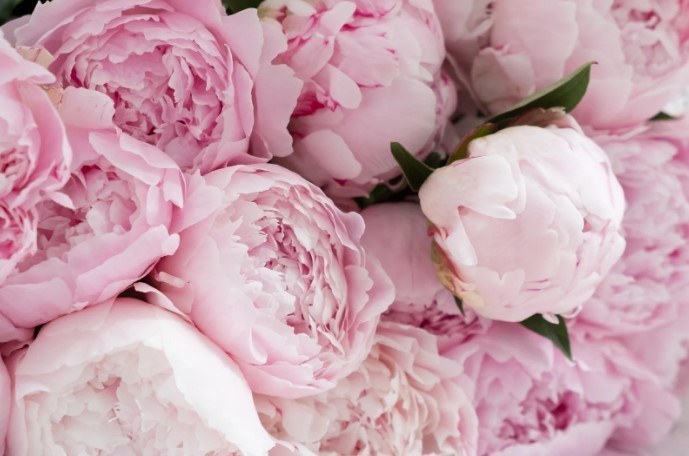
Can you grow tulips or peonies for cutting in the Southwest?
Tulips and peonies struggle in the Southwest due to hot winters and short chilling periods. For similar showy blooms, try ranunculus in early spring or double-flowered zinnias through late summer.
What are the best flowers for beginner Southwest gardeners?
Zinnias, sunflowers, cosmos, and gomphrena are the easiest to grow from seed. These varieties tolerate heat and inconsistent watering, making them ideal for beginners.
Is it necessary to use raised beds for a cutting garden in the desert?
Raised beds improve drainage and make soil amendments easier, but some gardeners succeed planting directly in amended native soil. If your yard has heavy clay or caliche, raised beds are highly recommended.
How late in the year can I harvest flowers in the Southwest?
Southwest gardeners can usually harvest annual flowers until the first frost, which often falls between mid-November and early December in lower elevations. Perennials like Mexican bush sage and salvia may bloom even longer in mild years.
Ready, Set, Sow: Start Your Southwest Cutting Garden
Block out a February weekend to plan your patch, sketch your layout, and order seeds from USA-based suppliers like Floret, Johnny’s Selected Seeds, or Baker Creek. As spring arrives, you’ll be set for a season brimming with bouquets–no trips to the grocery store required. In 2026, homegrown flowers aren’t just a luxury–they’re a joy that thrives right where you are, even in the heart of the desert.
Looking for more tips? Check your local county extension service or seek out regional Instagram growers–they’re often the first to trial new varieties and share what’s really working, right now, for Southwest flower lovers.