


Contents:
- Quick Answer: What Is Herbarium-Making at Home?
- Why People Are Turning to Home Herbaria in 2026
- Social Trends & Eco-Credentials
- Essential Supplies for Herbarium-Making at Home
- The Basics (You Probably Have Already)
- Specialty Tools (For Enthusiasts)
- Step-by-Step: How to Make Your Own Herbarium at Home
- Collecting Your Flowers and Plants
- Pressing the Specimens
- Mounting and Labeling
- Storing Your Herbarium
- Home Herbaria vs. Professional Collections: What’s the Difference?
- Creative Ways to Use Your Home Herbarium
- Botanical Art & Decor
- Science & Education
- Gifting & Memory Keeping
- Troubleshooting: Common Problems in Home Herbarium-Making
- Mold & Browning
- Petals Sticking
- Colors Fading
- Pro Tips for American Florists & Hobbyists
- FAQ: Herbarium-Making at Home
- How do I prevent mold when pressing flowers at home?
- Can I use regular printer paper to press flowers?
- How long do pressed flowers last in a home herbarium?
- What are the best flowers to press in the US?
- Is it legal to collect wild plants for a home herbarium?
Herbarium-Making at Home: Your Guide to Pressed Flower Mastery
On a windy April morning, a high school biology teacher in Vermont shakes petals from her copy of The Plant Lover’s Guide, and smiles at the scattering colors. Herbarium-making isn’t just a Victorian pastime; it’s a craft, a science, and–honestly–a soothing ritual. In 2026, more Americans are preserving their own florals at home, with interest surging 29% from 2020 according to the National Gardening Association. Whether it’s for creativity, research, or pure nostalgia, pressed botanical art transforms fleeting blooms into timeless treasures–right in your living room.
Quick Answer: What Is Herbarium-Making at Home?
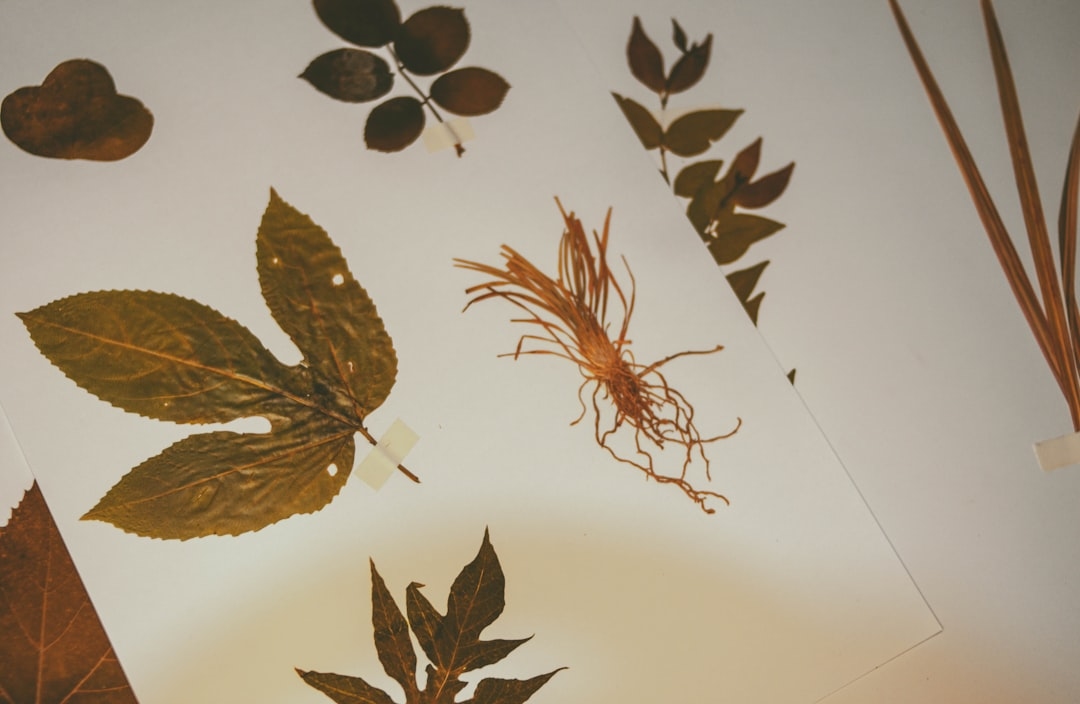
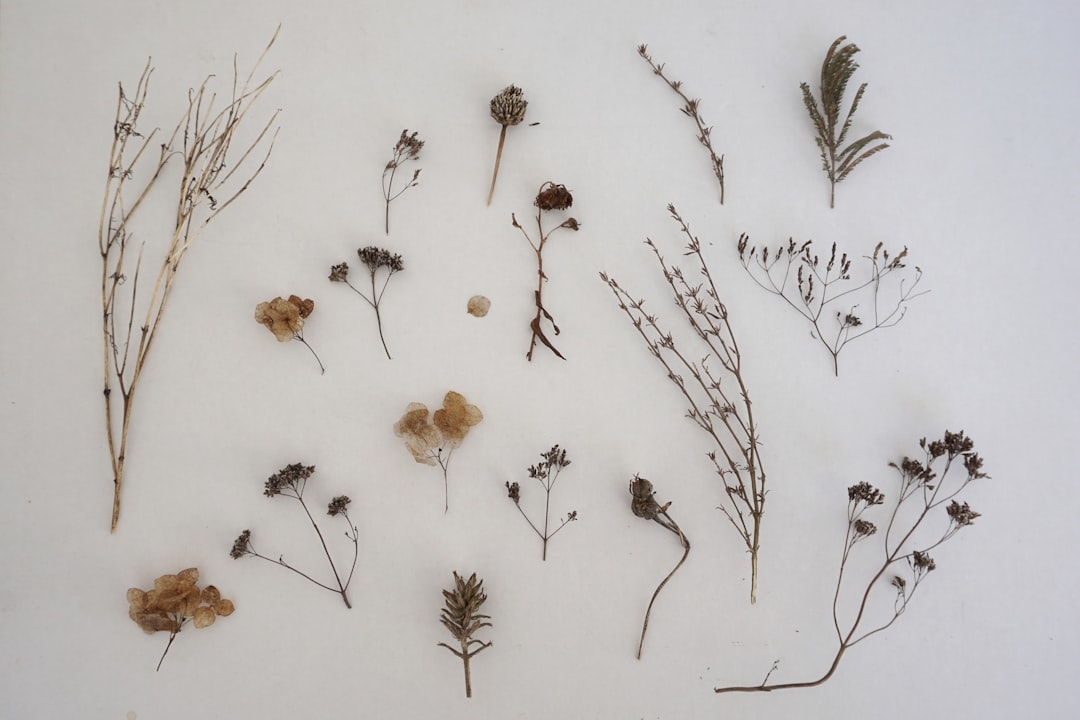
Herbarium-making at home means collecting, pressing, and mounting your own plant specimens to create a personal archive of preserved flowers, leaves, and stems. Enthusiasts use household items (like books and parchment paper) or specialty presses, then label each specimen with details like name and date. The result is a living scrapbook or floral atlas–perfect for art projects, scientific study, or keepsakes.
Why People Are Turning to Home Herbaria in 2026
Flower preservation isn’t a quirky hobby anymore. It’s an eco-friendly, creative escape–plus, it teaches patience and observation. According to Jane Callahan, lead educator with the American Horticultural Society, “Home herbaria have doubled in popularity since the pandemic era. People want tangible connections to nature, especially in urban spaces.”
Social Trends & Eco-Credentials
- A surge in DIY crafts: Pinterest reported a 74% increase in pressed flower project searches in 2025.
- Sustainable gifting: Pressed blooms last decades, making them a low-waste alternative to cut flowers.
- Mental health benefits: Studies featured in Horticulture Today (2024) show that regular contact with plants–living or pressed–can decrease stress by up to 22%.
The upshot? Herbarium kits are going mainstream. Major US retailers like Target and Michaels now stock flower pressing supplies alongside yarn and watercolor sets.
Essential Supplies for Herbarium-Making at Home
You don’t need a Victorian conservatory–just a handful of tools and a sharp eye for detail.
The Basics (You Probably Have Already)
- Heavy books (encyclopedias are MVPs)
- Parchment or wax paper
- Scissors
- Absorbent paper towels
Specialty Tools (For Enthusiasts)
- Plant press (Botanist Pro makes a sturdy $38 starter model)
- Archival labels and glue
- Fine-point pens (acid-free)
Where to Buy in the US
- Etsy: Handmade wooden presses with adjustable straps ($28-$65)
- Amazon: Ready-to-go flower press kits; look for brands like Microfleur (microwave and traditional models)
- Local art stores: Acid-free mounting paper and specialty labels
<blockquote>
“Preserving a wild violet isn’t just about beauty–labeling teaches plant ID, taxonomy, and storytelling in one.”
– Dr. Maya Holloway, US botany educator, 2026
</blockquote>
Step-by-Step: How to Make Your Own Herbarium at Home
Herbarium-making isn’t just about pressing; it’s about careful collecting, thoughtful arranging, and creating a resource you’ll love to flip through for years.
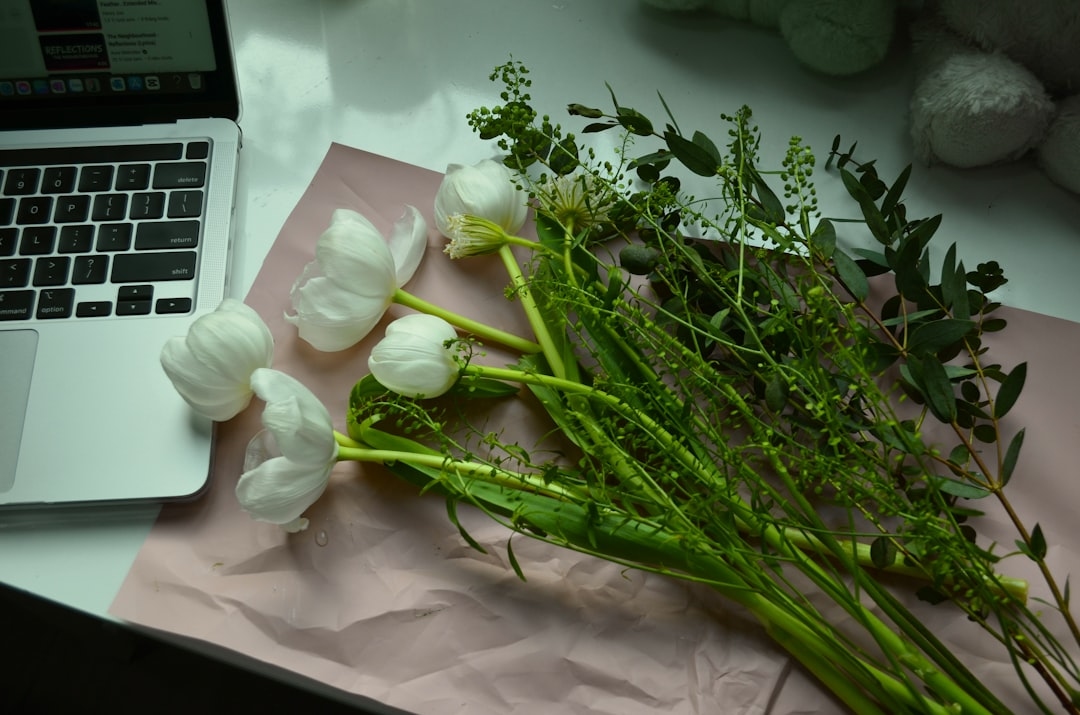
1. Collecting Your Flowers and Plants
- Best time: Dry, sunny days (avoid dew or rain–moisture causes browning)
- Ideal specimens: Healthy, undamaged blooms and leaves
- Trimming: Use sharp scissors to cut stems at a 45° angle
Tip: For scientific accuracy, gather all parts if possible (flower, leaf, stem, root).
2. Pressing the Specimens
Using Books
- Place flower between two sheets of parchment/wax paper.
- Sandwich in the middle of a heavy book.
- Stack more books on top for extra pressure.
- Change the paper every 2-3 days (or it’ll mold).
- Wait 7-14 days.
Using a Plant Press
- Arrange blooms flat between blotter sheets.
- Tighten straps or wing nuts.
- Store in a cool, dry space.
- Check after one week.
3. Mounting and Labeling
- Mount with acid-free glue or linen tape.
- Use archival-quality paper (8.5×11” or A4).
- Label each specimen:
- Botanical name
- Common name
- Location (city, state)
- Date
- Collector’s name
Example Label:
Trifolium pratense (Red Clover), Brooklyn, NY, April 8, 2026, Collected by N. Garcia
4. Storing Your Herbarium
- Flat archival boxes or ring-binders with plastic sleeves
- Avoid direct sunlight (fading alert)
- Cool, dry rooms = longevity
Home Herbaria vs. Professional Collections: What’s the Difference?
| Feature | Home Herbarium | Professional Herbarium |
|---|---|---|
| Scale | 5-100 specimens | 1,000-2 million specimens |
| Mounting | Artistic or informal | Strict, archival-standard |
| Labels | Personal, flexible | Scientific accuracy required |
| Permits | Not required for most US natives | Often required, esp. rare plants |
| Storage | Living room or study | Climate-controlled vaults |
| Uses | Art, education, keepsakes | Research, reference, biodiversity |
A home herbarium is for joy and learning; a university or museum collection, like the Smithsonian’s 5-million-specimen herbarium, is for scientific rigor and global research.
Creative Ways to Use Your Home Herbarium
Pressed flowers aren’t just for show. Americans are bringing their herbarium collections into all sorts of projects.
Botanical Art & Decor
- DIY wall art using floating glass frames
- Handmade greeting cards for weddings or holidays
- Bookmarks with wildflowers (Mod Podge works wonders)
Science & Education
- Nature journals for homeschoolers or scouts
- Tracking seasonal plant changes in your region
Gifting & Memory Keeping
- Wedding bouquet preservation (popular on TikTok–#PressedFlowers, 9M+ US posts in 2025)
- Family “memory gardens” documented in a binder
<blockquote>
“A pressed forget-me-not from my grandmother’s garden outlasted every photo I own.”
– Lila Benton, Brooklyn-based florist
</blockquote>
Troubleshooting: Common Problems in Home Herbarium-Making
Mold & Browning
If petals turn brown, the culprit is usually excess moisture or improper paper. Always use absorbent, non-glossy sheets and refresh them every few days.
Petals Sticking
Some flowers (think pansies or zinnias) have sticky sap–try sandwiching delicate blooms in coffee filters, which don’t cling.
Colors Fading
Reds and blues fade fastest. Store your pages in the dark, and consider scanning or photographing specimens soon after mounting.
Pro Tips for American Florists & Hobbyists
- Small batches win. Press 3-4 specimens of each variety, not just one. Accidents happen.
- Date your finds. Seasonal context adds scientific (and sentimental) value.
- Try regional natives. Plants adapted to your local climate press better and mean more.
- Mix mediums. Combine pressed blooms with watercolor or ink illustration.
FAQ: Herbarium-Making at Home
How do I prevent mold when pressing flowers at home?
Change your blotter paper every 2-3 days and select only dry, freshly picked plants. Press in a cool, dry location away from the kitchen or bathroom, where humidity is higher.
Can I use regular printer paper to press flowers?
Printer paper is less absorbent and can contribute to mold. For best results, use high-quality blotting paper, coffee filters, or parchment paper.
How long do pressed flowers last in a home herbarium?
With proper storage–away from sunlight and moisture–pressed flowers can maintain their color and shape for decades. Many home collections from the 1970s still look vibrant in 2026.
What are the best flowers to press in the US?
Top choices: violets, pansies, ferns, wildflowers like goldenrod, and native grasses. Avoid thick, juicy stems or very fleshy petals, which may rot during pressing.
Is it legal to collect wild plants for a home herbarium?
Collecting most common wildflowers is legal on private land. For state or national parks and endangered species, always check local regulations.
Ready to start your own herbarium? Walk outside with scissors and a notebook this weekend. That wild daisy or maple leaf might become a tiny piece of living history–yours to keep, share, or study for years to come.
+ There are no comments
Add yours