


Contents:
- How to Make Epoxy Flower Jewelry: A Quick Guide
- Why Epoxy Flower Jewelry? Unique Floristry Meets Function
- Supplies Breakdown: What You Need for DIY Resin Jewelry
- Essential Epoxy & Accessories
- Pro Tips from the Field
- Preparing Flowers for Resin: Best US Methods
- Dry or Press?
- How to Dry Flowers with Silica Gel
- DIY Sources for Blooms
- Mixing and Pouring Epoxy: Avoiding Common Mistakes
- Get the Chemistry Right
- Layering for Depth
- Removing Bubbles
- Creative Ideas: Advanced Techniques for Floral Resin Jewelry
- Embedding Extras
- Shaping and Sealing
- Pull-Quote:
- Pricing Your DIY Flower Resin Jewelry (Selling in the US)
- Typical Price Points
- Legal Tips
- Caring for Epoxy Flower Jewelry
- Troubleshooting: Common Epoxy Jewelry Problems
- Flowers Turning Brown
- Sticky or Soft Pieces
- Cloudy or Bubbly Resin
- Frequently Asked Questions
- How long does epoxy flower jewelry last?
- Can I use fresh flowers in resin?
- Is epoxy resin jewelry safe to wear?
- Where can I buy dried flowers for resin jewelry in the US?
- How do I prevent bubbles in my resin jewelry?
Epoxy Flower Jewelry Tutorial: Preserve Blooms in Wearable Art
A single violet can outlive a season when set in clear resin. Imagine a pendant that holds a pressed daisy from your wedding bouquet or a pair of earrings glowing with tiny blue forget-me-nots plucked from your grandma’s garden. Epoxy flower jewelry preserves fleeting moments–and any DIYer can make showstopping pieces at home with the right method.
How to Make Epoxy Flower Jewelry: A Quick Guide
Step-by-step, here’s how to turn real blooms into lasting jewelry:
- Press or dry flowers: Use silica gel, a microwave press, or a heavy book.
- Prepare your mold: Use silicone molds sized for pendants, rings, or earrings.
- Mix epoxy resin: Combine resin and hardener (usually 1:1), stirring slowly to avoid bubbles.
- Pour a thin layer: Cover the mold base, let sit 5-10 minutes.
- Add flowers: Arrange dried flowers with tweezers.
- Top off with more resin: Pour until flowers are encased; pop any bubbles with a heat gun or torch.
- Cure: Let sit 24-72 hours per manufacturer’s instructions.
- Finish: Sand edges smooth, drill holes if needed, and attach jump rings or earring hooks.
You’ll need:
- Epoxy resin (like ArtResin, $39.99/32 oz in 2026)
- Silicone jewelry molds (Amazon, Michael’s, local craft stores)
- Dried flowers (DIY or buy from US Etsy shops)
- Protective gloves, face mask, mixing cups, and wooden sticks
Why Epoxy Flower Jewelry? Unique Floristry Meets Function
Florist and resin-artist Katie Monroe, owner of Nashville-based “Poppy & Maple Design,” says:
“Epoxy jewelry lets people carry special flowers with them daily–birth blooms, anniversary roses, even bits of funeral bouquets.”
Americans spent over $8.7 billion on floral arrangements in 2025 (National Retail Federation). Most years, those flowers fade. With floral resin jewelry, sentimental petals transform into heirlooms. And the trend is rising: Google searches for “epoxy flower jewelry” have tripled since 2022, especially around Valentine’s and Mother’s Day.
Supplies Breakdown: What You Need for DIY Resin Jewelry
Essential Epoxy & Accessories
| Supply | Details / US Brands | 2026 Price Range |
|---|---|---|
| Epoxy Resin | ArtResin, EnviroTex Lite | $35-$50 per quart |
| Silicone Molds | LET’S RESIN, Mod Podge | $6-$20 set |
| Dried Flowers | DIY or Etsy (e.g., FloraNook) | $4-$15 per pack |
| Protective Gear | Nitrile gloves, N95 mask | $10-$20 |
| Mixing Tools | Disposable cups, wooden stirrers | $5-$10 |
| Finishing Hardware | Jump rings, bails, earring hooks | $6-$15 per kit |
Don’t use fresh flowers–they’ll rot. Dry or press your blooms first. For best color retention, silica gel drying (about $10 per bag at Walmart or Hobby Lobby) trumps book pressing.
Pro Tips from the Field
- “I always use UV-stabilized resin, or flowers will brown in sunlight within weeks,” says Seattle jewelry designer Mira Lang, who’s taught workshops since 2023.
- Use a torch–not a hair dryer–to pop resin bubbles. Hair dryers can blast dust onto your artwork.
Preparing Flowers for Resin: Best US Methods
Dry or Press?
- Press for slim pieces (pendants, earrings).
- Dry in silica gel for 3D shapes (beads, spheres, ring toppers).
How to Dry Flowers with Silica Gel
- Pour a half-inch of silica gel crystals into a plastic container.
- Lay flowers face-up, spaced apart.
- Gently cover with more crystals.
- Seal and let sit for 3-7 days.
- Check: petals should be crisp, colors vivid.
DIY Sources for Blooms
- Foraged blooms: Wild violets, buttercups, baby’s breath, pansies, and clover tend to keep their color.
- Florist leftovers: Ask for offcuts–they often toss odd stems.
- Online: US sellers like “PressedPetalsShop” on Etsy offer sorted, ready-to-use blooms.
Mixing and Pouring Epoxy: Avoiding Common Mistakes
Get the Chemistry Right
Epoxy is unforgiving. If you eyeball ratios or stir too fast, you’ll get sticky, cloudy, or bubbly results.
- Measure by volume (not weight) as directed.
- Stir slowly, scraping sides and bottom for at least 3 minutes.
- Rest the mix for 2-3 minutes to let bubbles rise.
Layering for Depth
- Pour a base layer, just enough to cover the mold bottom.
- Place flowers carefully with tweezers.
- Let sit 5-10 minutes. This helps “lock” flowers in place.
- Add the final resin pour to fully encase.
Removing Bubbles
- Hold a butane torch or heat gun 2-3 inches above the surface. Wave briefly; bubbles rise and pop.
- Avoid over-torching, which can scorch petals.
Creative Ideas: Advanced Techniques for Floral Resin Jewelry
Embedding Extras
- Add a sprinkling of gold flakes, mica powder, or tiny glitter for a luxe look.
- Sandwich a photo or small charm with a petal for a memory piece.
Shaping and Sealing
- For precise shapes, flex the mold gently to release pieces after curing.
- Sand rough edges using wet-dry sandpaper (start at 600 grit, finish at 2000).
- Apply a drop of clear UV resin (e.g., Limino, $13/10ml) to gloss up sanded edges.
Pull-Quote:
“The real magic is capturing a flower’s color and shape at its freshest–then immortalizing it in crystal-clear resin.”
–Mira Lang, Resin Artisan
Pricing Your DIY Flower Resin Jewelry (Selling in the US)
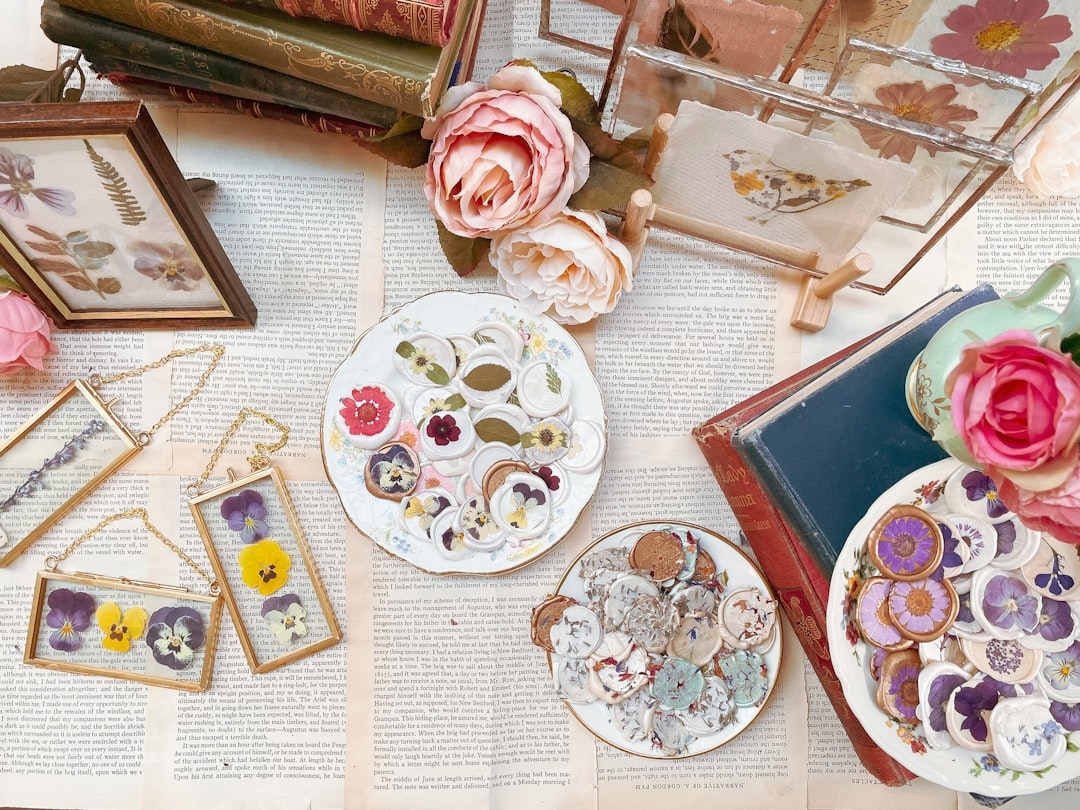
Handmade resin jewelry sells briskly on Etsy, at local farmer’s markets, and via Instagram shops. According to Market Research Future, the US handmade jewelry market is projected to hit $3.4 billion in 2026.
Typical Price Points
| Jewelry Type | Materials Cost | Typical US Retail Price |
|---|---|---|
| Pendant | $2-$7 | $18-$55 |
| Stud Earrings | $1-$5 | $14-$30 |
| Charm Ring | $2-$8 | $20-$45 |
Personalization–like using a customer’s wedding bouquet petals–increases demand and allows for premium pricing.
Legal Tips
- Always disclose materials (some people have resin allergies).
- Use lead-free, nickel-free findings to appeal to sensitive customers.
- Ship using padded mailers; recommend USPS Priority for tracking.
Caring for Epoxy Flower Jewelry
- Store away from direct sunlight and heat to prevent yellowing.
- Clean with a damp microfiber cloth–avoid harsh chemicals.
- Take off when swimming or showering.
Professional jeweler Lisa Nguyen of Oakland says:
“I give every customer a simple tip card. Even well-made resin pieces can scratch if you toss them in a purse with keys.”
Troubleshooting: Common Epoxy Jewelry Problems
Flowers Turning Brown
- Cause: Using non-UV resin or not drying flowers thoroughly.
- Fix: Start with proper flower prep; only use UV-stabilized resin.
Sticky or Soft Pieces
- Cause: Incorrect mixing ratio or under-curing.
- Fix: Mix resin precisely; cure at least 24-48 hours at 70°F+.
Cloudy or Bubbly Resin
- Cause: Stirring too fast, pouring in humid environment.
- Fix: Mix slowly, use a torch, and work in a dry space.
Frequently Asked Questions
How long does epoxy flower jewelry last?
Properly made and cared for, epoxy flower jewelry can last for decades. Using UV-resistant resin and storing pieces away from direct sunlight will prevent yellowing and fading. Most users report no change in color for at least five years.
Can I use fresh flowers in resin?
Fresh flowers should not be used as they contain moisture, which causes browning, rot, and cloudiness in resin. Always dry or press flowers before embedding them in epoxy.
Is epoxy resin jewelry safe to wear?
Once fully cured, epoxy resin jewelry is generally safe to wear. Use recognized non-toxic brands (like ArtResin), and opt for lead/nickel-free metal findings to avoid allergic reactions.
Where can I buy dried flowers for resin jewelry in the US?
Dried flowers can be purchased from major craft retailers like Michael’s, Joann, and Hobby Lobby. Online sources such as US-based Etsy shops (e.g., “FloraNook” or “PressedPetalsShop”) offer a wide variety for under $15 per pack.
How do I prevent bubbles in my resin jewelry?
Stir epoxy slowly, pour in thin layers, and use a heat gun or butane torch to pop visible bubbles immediately after pouring. Working in a warm, dust-free room reduces bubble formation.
Next time you bring home a bouquet, tuck away a few petals for a future project. With a handful of supplies, a bit of patience, and the right drying technique, you can transform meaningful blooms into wearable keepsakes–pieces that outlast any vase of roses. Try making a set for your next gift occasion, or explore selling your own creations locally. Who knows? Your first resin pendant might become a signature piece you–or someone you love–wears for years.