




Contents:
- Hoop House Flower Farming: The Quick Answer
- What Exactly Is a Hoop House?
- Why Hoop House Flower Farming Changed US Floral Seasons
- Setting Up a Hoop House for Cut Flowers
- Siting and Building
- Soil and Bed Prep
- Temperature Management
- Best Flowers to Grow in a Hoop House
- Cool-Season Champions
- Warm-Season Successes
- What’s Not Ideal?
- Costs and ROI for US Flower Farmers
- Initial Investment (2026 Prices)
- Operating Costs
- Estimated Revenue
- Common Problems and How to Avoid Them
- Overheating and Ventilation
- Pests and Diseases
- Storms and Wind
- Selling Hoop House Flowers: US Market Tips
- Early Bouquets Win Big
- Where to Sell
- Delivery and Logistics
- FAQ
- What is the difference between a hoop house and a greenhouse?
- How much can you make flower farming with a hoop house?
- What flowers do best in hoop houses?
- Do hoop houses need electricity?
- Can you grow flowers in a hoop house year-round?
- Ready for Early Blooms?
Hoop House Flower Farming Explained
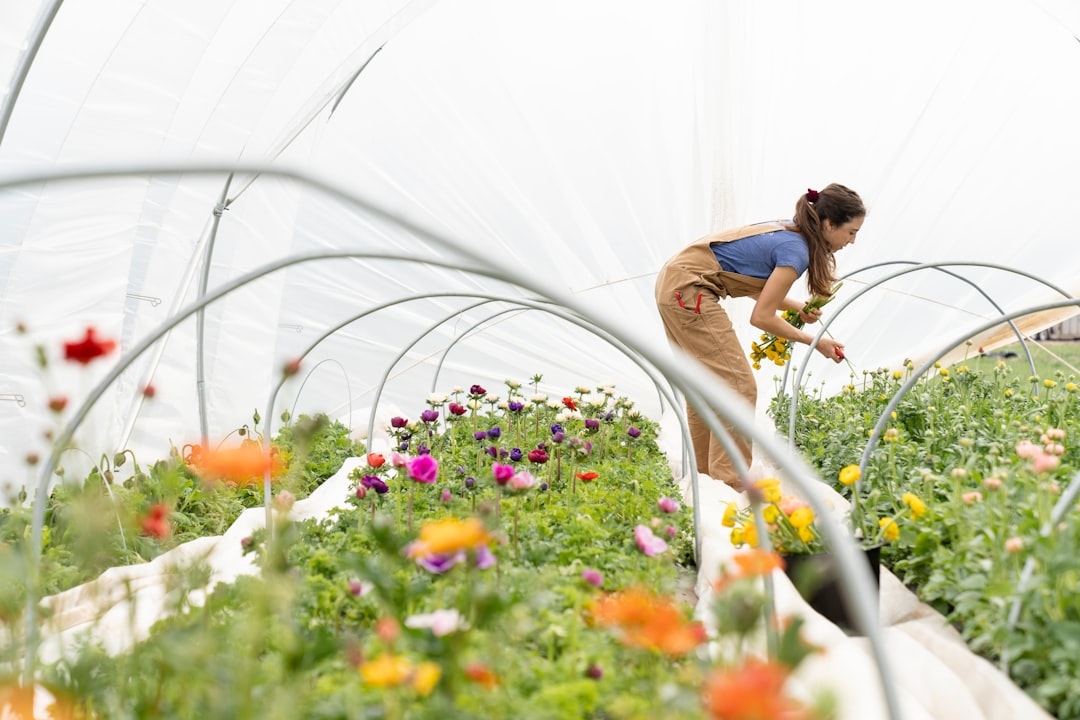
You step into a radiant tunnel of greens and riotous blooms, the air just a few degrees warmer than outside. Daffodils are blooming in February, ranunculus burst from the earth while snow still covers your neighbor’s lawn, and your bouquets are the first to hit the farmers’ market in spring. Welcome to the magic of hoop house flower farming–a blend of old-school gardening and modern season extension that’s transforming American floristry.
Hoop House Flower Farming: The Quick Answer
Hoop house flower farming is the practice of growing cut flowers inside unheated, plastic-covered structures called hoop houses (also known as high tunnels). These structures trap solar heat and protect crops from wind, frost, and excessive rain, allowing flower farmers to grow blooms earlier in spring and later into fall. In the US, this method can extend the growing season by 4-12 weeks and boost both yield and quality, especially for high-value flowers like ranunculus, anemones, lisianthus, and snapdragons.
What Exactly Is a Hoop House?
At first glance, a hoop house looks like a greenhouse stripped to its bones: sturdy hoops made of steel or PVC, covered in taut polyethylene plastic. Unlike most greenhouses, hoop houses rarely have electricity, fans, or automated heat. The sun does all the work, warming the soil and air inside during the day and offering just enough protection at night.
Key features of a typical hoop house:
- Size: Ranges from 12×20 feet ($500 DIY kit) to 30×100 feet ($8,000 commercial models)
- Coverings: Single or double layers of UV-resistant polyethylene plastic (often 6-mil thick)
- No heaters or AC: Temperature control is passive, managed by opening doors or rolling up sides
- Anchored with rebar or ground posts, built to handle wind and moderate snow
Unlike low tunnels–which are mini hoops just a few feet tall–hoop houses are usually between 8-14 feet high. You can walk, kneel, and work in them comfortably.
Florist tip:
“We see at least 30% higher yields on early spring crops in our 20×48-foot hoop house compared to outdoor beds,” says Maria Kinsey, owner of Kinsey Blooms Cut Flowers in Vermont.
Why Hoop House Flower Farming Changed US Floral Seasons
Twenty years ago, American florists relied heavily on imported blooms–especially in the shoulder seasons. Colombian and Ecuadorian farms dominated the market during cold months. But since 2012, hoop houses have sparked a quiet revolution in US-sourced cut flowers.
Season Extension:
- Spring: Forced tulips in March, ranunculus, anemones, and early snapdragons in April/May
- Fall: Zinnias, celosias, and salvia into November in temperate zones
- USDA Zones 5-8: Expect to harvest 4-12 weeks earlier or later than outdoor-only growing
Economic Impact:
The Association of Specialty Cut Flower Growers (ASCFG) reported in 2026 that more than 3,000 US flower farms use hoop houses for season extension, with farms seeing a typical gross revenue boost of 18-35% from early or late-season harvests.
Popular Flowers for Hoop Houses:
- Ranunculus ‘Amandine’ and ‘La Belle’
- Anemone ‘Galilee White’
- Lisianthus
- Snapdragons
- Sweet peas
- Tulips (especially for “tulip forcing” in crates)
- Iceland poppies
Here’s a quick comparison between growing under cover and outdoors:
| Factor | Hoop House | Open Field |
|---|---|---|
| Season Length | March-November (Zone 6) | May-September (Zone 6) |
| Frost Protection | Down to 20°F (w/ row cover) | None |
| Rain Damage | Rare | Common (petal spotting) |
| Pest Control | Easier (physical barrier) | Harder |
| Investment (2026) | $4,000-$8,000 (mid-size) | $200/bed |
Setting Up a Hoop House for Cut Flowers
Siting and Building
Choose a well-drained, sunny spot with access to irrigation. The long axis should run east-west for even sunlight. Most US growers buy pre-fab kits–FarmTek and Bootstrap Farmer are top suppliers, with 20×48 feet being a popular starter size under $6,000 in 2026.
Foundation and Anchoring
- Drive ground posts every 4-6 feet
- Assemble steel hoops
- Stretch and secure polyethylene cover on a windless day
- Roll-up sides and endwall doors improve ventilation
Soil and Bed Prep
Inside the hoop, treat soil as intensively as a vegetable garden:
- Raised beds (about 30 inches wide) maximize airflow and harvest space
- Amend with compost and slow-release fertilizer (e.g., Espoma Flower-tone)
- Install drip irrigation for even moisture
Pro tip:
“Our hoop house beds produce three successions–spring bulbs, summer annuals, and fall fillers–by flipping crops and amending after each harvest,” explains Alan Becker, cut flower consultant, Texas State Agricultural Extension.
Temperature Management
Hoop houses can overheat fast.
- Use roll-up sides or louvered doors daily (especially when temps rise above 80°F)
- For frost, add a layer of lightweight row cover over plants at night–protects down to ~23°F without additional heat
Best Flowers to Grow in a Hoop House
Not every flower loves the warm, humid magic of a hoop house. But some thrive and deliver premium stems weeks before outdoor fields stir.
Cool-Season Champions
Ranunculus
- Needs 45-55°F nights for best blooms
- Plant corms in January/February (Zones 6-8)
- $1.75 per corm, sells for $2-$5/stem at local US markets in 2026
Anemones
- Start in late winter for March-April harvest
- Sensitive to wind/rain, perfect under cover
- Colors: white, pink, deep blue
Lisianthus
- Needs long days and gentle warmth
- Hoop houses push bloom time up by 3-4 weeks
- High-value, always in florist demand
Snapdragons
- Winter-planted snapdragons (like ‘Potomac’ or ‘Chantilly’ series)
- Consistent, straight stems
Warm-Season Successes

While heat-loving zinnias and sunflowers do well in open fields, hoop houses shine for late summer/fall crops:
- Celosia
- Gomphrena
- Stock
- Specialty dahlias (especially for late blooms in cold climates)
What’s Not Ideal?
Some flowers struggle with humidity or heat stress under plastic:
- Peonies (prefer chilling, deep roots)
- Delphinium (prone to powdery mildew in high humidity)
- Lupines, foxgloves (often get too leggy)
Costs and ROI for US Flower Farmers
Getting started isn’t free, but hoop houses often pay for themselves in 2-4 seasons.
Initial Investment (2026 Prices)
- Basic 20’x48’ kit: $4,200-$6,000 (FarmTek, Bootstrap Farmer)
- Assembly tools/materials: $300-$500 (DIY or local contractor)
- Drip irrigation: $150-$300
- Poly renewal every 5-7 years: $800-$1,200
Operating Costs
- Annual plastic repairs: $50-$200
- Soil fertility: $100-$250/season
- Row cover: $60-$100/year
Estimated Revenue
- Early/late flowers hit premium pricing: $2-$5/stem for ranunculus and anemone
- Average 1,200-2,000 marketable stems in one 20×48 hoop per season ($3,000-$8,000 gross)
- CSA (Community Supported Agriculture) flower shares sell out faster with early blooms
“Our hoop house flowers fetch 40% higher prices at our spring Mother’s Day market compared to any summer harvest,”
–Ellen Tao, FloraByDesign, North Carolina
Common Problems and How to Avoid Them
Overheating and Ventilation
- Temperatures inside can spike to 100°F+ in spring.
- Always open doors/roll-up sides by mid-morning.
- Install shade cloth (30-40%) for late spring crops.
Pests and Diseases
- Aphids and thrips can multiply in the protected environment.
- Use insect netting on doors and regular inspection.
- Fungal diseases can flourish–priority on spacing, drip irrigation, and air movement.
Storms and Wind
- High tunnels are vulnerable to strong wind.
- Anchor firmly, close up well before storms, and install cross-bracing.
Selling Hoop House Flowers: US Market Tips
Early Bouquets Win Big
- Local florists will pay top dollar for unique or out-of-season blooms.
- Wedding/event designers are keen on US-grown ranunculus and lisianthus–premium varieties that ship poorly from overseas.
Where to Sell
- Wholesale to regional flower hubs (e.g., Mayesh, Florabundance)
- Direct retail at farmers’ markets (earliest bloom = best price)
- Local grocery chains want “first local flowers of the year”
- On-farm U-pick and CSA bouquet shares
Delivery and Logistics
US flower delivery platforms like Florists’ Transworld Delivery (FTD) and UrbanStems increasingly promote “seasonal, local” arrangements–hoop house blooms can plug supply gaps from February through November.
FAQ
What is the difference between a hoop house and a greenhouse?
A hoop house is a tunnel-shaped structure made from hoops and covered with poly plastic, typically unheated, relying on passive solar warmth. Greenhouses are usually more permanent structures, often made from glass, and can include heating, automated ventilation, and sometimes supplemental lighting. Hoop houses are cheaper and simpler but offer less climate control.
How much can you make flower farming with a hoop house?
In 2026, a single 20×48 foot hoop house can gross $3,000-$8,000 per season just from early or late flowers. Profit depends on crop mix, local demand, and skill, with top growers running multiple houses for over $25,000 in annual revenue.
What flowers do best in hoop houses?
Ranunculus, anemones, lisianthus, snapdragons, and tulips thrive in hoop houses. Warm-season options include late-season celosia, zinnia, gomphrena, and dahlias in cold zones.
Do hoop houses need electricity?
Most hoop houses don’t require electricity. They rely on passive solar heat, with temperature managed by opening or closing doors and sides. Some farmers add fans or heaters for specialty crops, but this is less common and adds cost.
Can you grow flowers in a hoop house year-round?
In most US climates, hoop houses can grow flowers from early spring into late fall. True year-round flower production usually requires additional heating or lights, which turns the hoop house into a full-scale greenhouse.
Ready for Early Blooms?
If you crave those first spring bouquets–when everyone else is still staring at bare garden beds–a hoop house could be your ticket. Used hoops and new poly can start a small farm or even a backyard project for under $2,000. Get curious, visit a local flower grower using a high tunnel, or check out the ASCFG’s practical guides. Your first anemones in March will change how you think about “flower season” for good.

+ There are no comments
Add yours