


Contents:
- How Do Professional Florists Make Flower Crowns? (Summary Answer)
- The Fundamentals: Materials Make or Break Design
- Professional Flower Crown Essentials
- Flower Selection: What Lasts and Looks Best?
- Best Blooms for Flower Crown Longevity
- Prepping Flowers for Maximum Freshness
- Step-by-Step: Professional Flower Crown Assembly
- Building the Base
- Attaching Blooms
- Finishing Touches
- Professional Techniques: Beyond the Basics
- Wiring vs. Gluing
- Symmetry and Design Flow
- Storage & Transport: Keeping Crowns Fresh
- Pricing & What to Expect from U.S. Florists in 2026
- Pull-Quote
- FAQ: Flower Crown Design – Professional Methods
- How long do flower crowns last?
- Can I make a flower crown the night before?
- What flowers should I avoid for crowns?
- Are flower crowns comfortable to wear?
- Does a fresh flower crown require maintenance while wearing?
- Try This: Host a Flower Crown Bar
Flower Crown Design – Professional Methods
On a sticky June morning, a team of florists in Brooklyn wired 300 fresh blooms into flower crowns for a Pride parade–one by one, petal by petal, each design held together with precision methods that have barely changed in decades. Flower crowns are more than Instagram whimsy or festival accessories. They’re a test of true floristry skill–and, done right, last far beyond your average celebration.
Forget glue guns and fake petals. The best flower crown design relies on age-old techniques, keen botanical know-how, and the right materials. Whether you’re prepping for a wedding, festival, or editorial shoot, understanding professional flower crown methods means your designs will look lush (and survive a muggy Texas summer or a cross-town Uber ride).
How Do Professional Florists Make Flower Crowns? (Summary Answer)
Expert florists craft flower crowns using flexible, sturdy floral wire as a base, wrapping it with waterproof floral tape for comfort and durability. Individual flower stems are trimmed, sometimes wired for added support, and attached to the base with precision. Blooms are grouped strategically–by color, size, and variety–to create balanced designs that last 12-36 hours without wilting, especially when using hardy flowers like spray roses, wax flower, or ranunculus. The entire crown is misted with water and stored in a cool box until wear.
The Fundamentals: Materials Make or Break Design
Professional Flower Crown Essentials
Any seasoned florist will tell you: don’t skimp on materials. Using the right tools is non-negotiable for both comfort and longevity.
Core Supplies Used by Professionals:
- Floral wire (18-22 gauge): Flexible yet stable. Brands like Oasis or FloraCraft are U.S. standards.
- Floral tape: Parafilm or stem wrap stretches and sticks when warmed by your hands.
- Pruning shears or precision snips: Essential for crisp, quick cuts.
- Floral adhesive (optional): For delicate blooms prone to damage from wiring.
- Ribbon: Doubles as an adjustable closure for all head sizes and a pretty finish.
According to Julia Tran, lead designer at Los Angeles’ Petal Society (2026 AIFD award winner), “90% of workshop fails happen due to poor tape. If your tape isn’t sticky enough, your crown won’t last the night–no matter how skilled you are.”
Flower Selection: What Lasts and Looks Best?
The difference between a droopy flower crown and one that holds up for hours comes down to species choice–and how you prep them.
Best Blooms for Flower Crown Longevity
Choose flowers with high water content and flexible stems. Hardy options include:
| Flower | Hours Before Wilting | Notes |
|---|---|---|
| Spray Roses | 24-36 | Layered petals, available year-round |
| Waxflower | 24-30 | Tiny, fragrant, great filler |
| Ranunculus | 18-24 | Wide color range, sturdy stem |
| Eucalyptus | 36+ | Adds aroma, structural support |
| Statice | 48+ | Dries well, vivid colors |
Pro tip: In 2026, U.S. wholesalers reported 30% higher demand for locally grown, pesticide-free blooms for crowns, especially in the wedding industry (source: American Florists Monthly, March 2026).
Prepping Flowers for Maximum Freshness
- Conditioning: Re-cut stems and hydrate blooms overnight before use.
- Wiring: For weak stems (like lisianthus), insert 22-gauge wire through the base and tape down for reinforcement.
- Petal Care: Remove excess foliage and damaged petals from each bloom. Brown spots will only get worse once handled.
Step-by-Step: Professional Flower Crown Assembly
Building the Base
- Measure head circumference with a soft measuring tape. Add 1-2 inches for comfort.
- Twist two lengths of floral wire together for stability.
- Wrap the wire entirely with floral tape, stretching as you go to activate the adhesive.
Attaching Blooms
- Cluster arrangement: Begin with greenery (eucalyptus, myrtle) for the base layer.
- Wrap smaller filler flowers first, spacing evenly.
- Add focal blooms (roses, ranunculus) in odd numbers–florists swear by the ‘rule of threes’ for organic-looking groupings.
- Each stem is wrapped and secured with tape, winding a few times before moving to the next bloom.
“Balance is crucial. You want the crown to look lush from every angle, not just the front,” says Ashley Welles, creative director at Wildbird Flowers, Austin, TX.
Finishing Touches
- Attach ribbon to each end, securing with a tight florist’s knot.
- Gently mist the finished crown with water. Store in a sealed container in a refrigerator or cooler (not a home fridge, which is too dry) until ready.
Professional Techniques: Beyond the Basics
Wiring vs. Gluing
Most U.S. florists in 2026 still rely on wiring for crown assembly. Hot glue is quick but can damage delicate petals and doesn’t hold up in humidity. For fragile blooms, cold floral adhesive (like Oasis Floral Adhesive) is used sparingly.
Wiring:
- Provides flexibility: crown can be bent for a custom fit
- Lasts longer, especially in summer heat or during long events
Gluing:
- Good for photoshoots with fast turnaround
- Not recommended for crowns meant to last more than a few hours
Symmetry and Design Flow
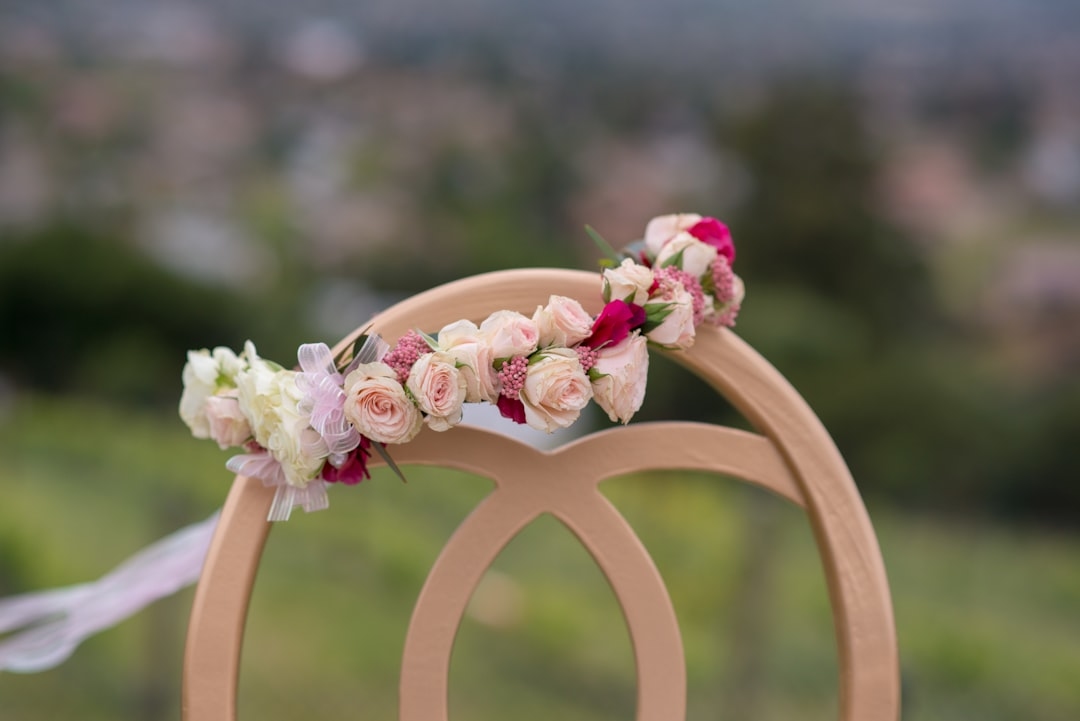
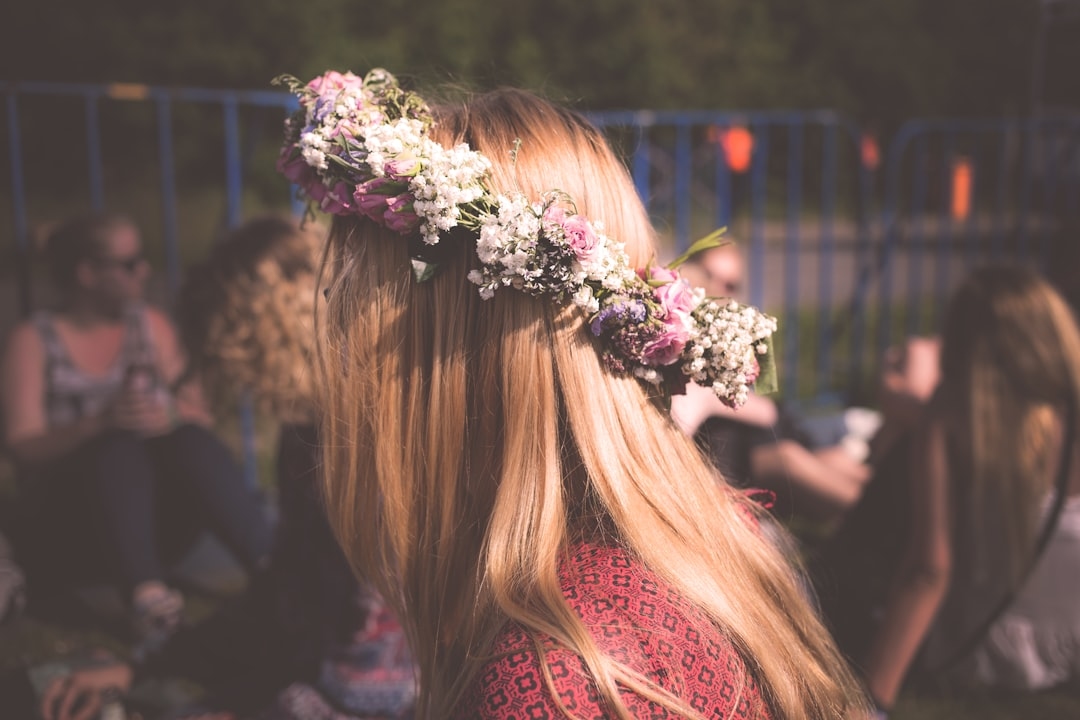
Pros lay flowers at a slight diagonal, overlapping slightly, so the crown follows the natural curve of the head. For full crowns, they alternate between large and small blooms to prevent a “lumpy” appearance.
Top U.S. Styles in 2026:
- Bohemian Full Crown: Dense, all-around design with mixed wildflowers
- Half-Crown (Halo): Flowers concentrated over one ear, ribbon finishes the rest
- Monochrome Minimal: Single flower type, like baby’s breath or spray rose, for a modern look
Storage & Transport: Keeping Crowns Fresh
Flower crowns are perishable art. Professional florists use flower chillers set at 38-40°F–slightly warmer and more humid than home refrigerators–to prevent dehydration.
Quick checklist for event clients:
- Ask for your crown to be delivered in a vented plastic container
- Mist lightly upon arrival, but don’t soak–the tape will loosen
- Store in a cool, dark place until just before wearing
“No matter how perfect your wiring is, storing crowns next to fruit ruins them fast–ethylene gas from apples or bananas will make petals brown within hours,” warns Marco Jimenez, NY Botanic Institute floral instructor.
Pricing & What to Expect from U.S. Florists in 2026
Flower crown pricing in the U.S. varies by region, complexity, and flower choice.
- Simple greenery-only crowns: $45-$65
- Mixed flower half-crowns: $70-$110
- Full luxury crowns (premium blooms): $150-$350+
Many shops (like Farmgirl Flowers and Bouqs Co) now offer custom crown design with overnight shipping in insulated boxes, starting at $85.
Pull-Quote
“A flower crown, when made with the right flowers and method, is both a statement and a memory–they last through the dancing, the hugs, even the afterparty.”
–Julia Tran, Petal Society LA
FAQ: Flower Crown Design – Professional Methods
How long do flower crowns last?
Most professional flower crowns last 12-36 hours if stored properly (in a floral chiller, misted, not exposed to direct sun). Using hardy blooms like waxflower or spray roses extends wear time.
Can I make a flower crown the night before?
Yes. In fact, most U.S. florists assemble crowns the day before events for best results. Store the crown in a cool, humid place and avoid refrigeration next to produce.
What flowers should I avoid for crowns?
Skip delicate blooms that wilt quickly without water–tulips, peonies, and hydrangea rarely last in crowns for more than a few hours unless expertly wired and reinforced.
Are flower crowns comfortable to wear?
With proper wiring and floral tape, professional crowns are lightweight and comfortable. Adjustable ribbon backs help fit any head size and prevent slipping.
Does a fresh flower crown require maintenance while wearing?
Light misting every few hours keeps blooms perky. Avoid touching or re-arranging the flowers, as oils from hands can bruise petals.
Try This: Host a Flower Crown Bar
This year, flower crown bars are a hit at bridal showers, birthdays, and even corporate retreats. Hire a local florist to set up a mini-workshop, complete with buckets of prepped blooms and professional instruction. Not only do guests leave with their own wearable art, they get a hands-on taste of authentic floristry methods–the same principles used for magazine shoots and big-budget events.
Now, the next time you spot a lush, perfect crown at a wedding or festival, you’ll know: it’s not magic, but the results of time-tested, expert technique (and a little florist’s secret tape).