


Contents:
- Which Flowers Don’t Drop Oily Petals? (Quick Answer)
- Why Do Some Flowers Have Oily Petals?
- Cleanest Cut Flowers: Tried-and-True Picks
- Roses
- Tulips
- Carnations (and Mini Carnations)
- Snapdragons
- Flowers That Drop Oily Petals (and Why You Might Avoid Them)
- Gardenias
- Camellias & Magnolias
- Plumeria & Some Lilies
- The Science of Mess-Free Petals
- What About Fragrance and Oils?
- Care Tips: Keeping Flowers (and Surfaces) Clean
- Remove Foliage Below the Waterline
- Change Water Daily
- Avoid Direct Sun & Heat
- Use Glass or Ceramic Vases
- Keep Away From Fruit
- Best Mess-Free Flowers for Special Occasions
- Frequently Asked Questions
- What cut flowers have oily or sticky petals?
- Do lilies drop oily petals or just pollen?
- Are sunflowers messy indoors?
- Which flowers are safest for homes with pets and kids?
- How do I prevent stains from cut flowers on my tablecloth?
- What’s Next? Choosing Clean Blooms for Your Next Arrangement
Flowers That Don’t Drop Oily Petals: The Clean Florist’s Guide
Sticky petals on the dining table. Greasy marks on grandma’s heirloom runner. The goo from certain blooms is the uninvited plus-one at any flower arrangement. You’re not being picky–some cut flowers do ooze oils, sap, or resin, leaving an annoying mess behind. But you don’t have to settle for that. Certain varieties are known for staying crisp, clean, and mess-free–no oily petals to worry about.
Which Flowers Don’t Drop Oily Petals? (Quick Answer)
Most classic cut flowers–including roses, tulips, carnations, irises, snapdragons, lisianthus, hydrangea, and most lilies–do not drop oily or greasy petals. Instead, these flowers either drop dry petals or rarely make a mess at all. For the cleanest arrangements, opt for:
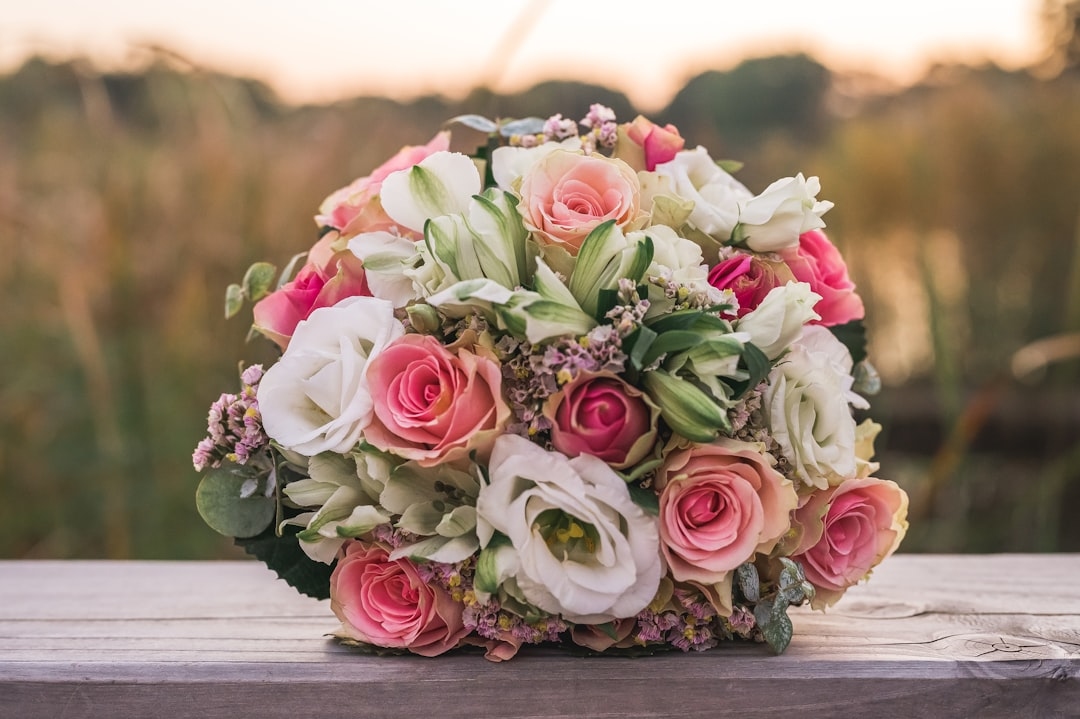
- Roses (all major types, especially hybrid teas, spray roses)
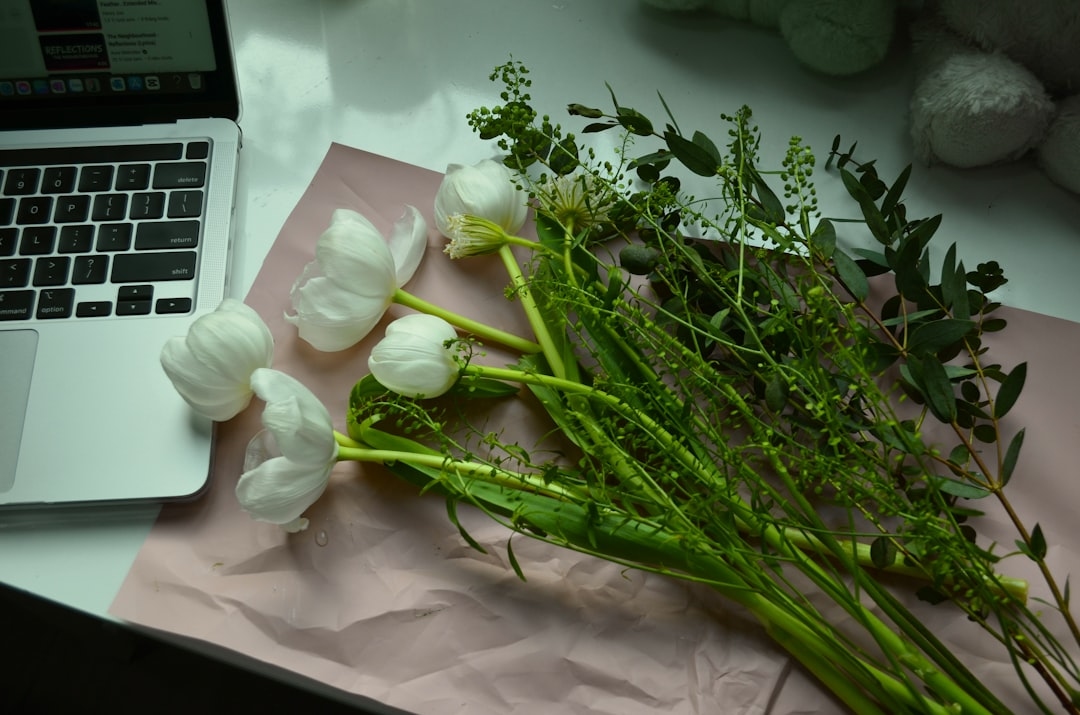
- Tulips
- Carnations and mini carnations
- Irises
- Snapdragons
- Lisianthus
- Hydrangeas (note: they can wilt, but not turn oily)
- Ranunculus
- Sunflowers (may drop dry pollen, not oil)
Avoid sap-heavy or ultra-fragrant tropical flowers like gardenias, camellias, magnolias, and some lilies which may have oily petals or exude sticky substances–especially in warm, humid environments.
“Petal drop” is not the same as petals turning greasy or staining; many flowers simply dry and fall away.
Why Do Some Flowers Have Oily Petals?
It’s not your imagination: Certain species really do have more surface oils or saps, especially among tropical and highly fragrant varieties. This trait helps the plant defend against pests and water loss in the wild, according to Dr. Lila Morgan, senior botanist at the American Floriculture Institute (AFI). Gardenias, for example, contain a substance called geniposide, which darkens and gets sticky as the white blossoms age.
Most common cut flowers, however, don’t have these compounds. Their petals are dry to the touch even when they wither. So, for arrangements on wooden tables, upholstery, or white linens, traditional blooms tend to be a safer bet.
Cleanest Cut Flowers: Tried-and-True Picks
Many of America’s favorite cut flowers are specifically bred to avoid mess–making them not just beautiful, but practical for everyday bouquets.
Roses
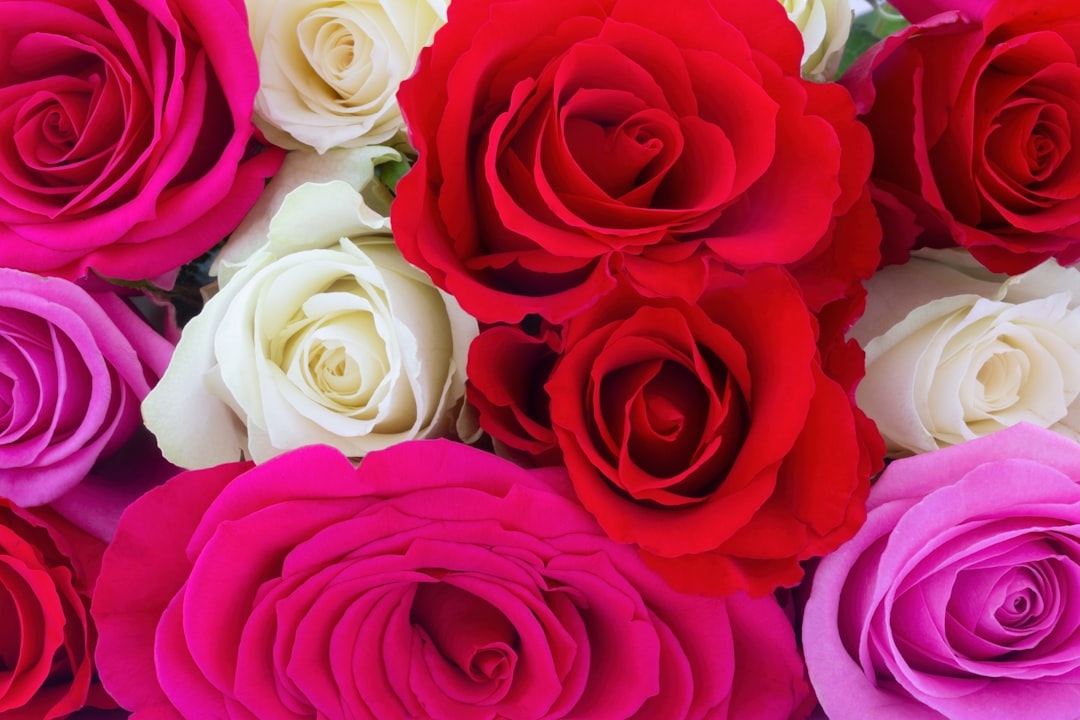
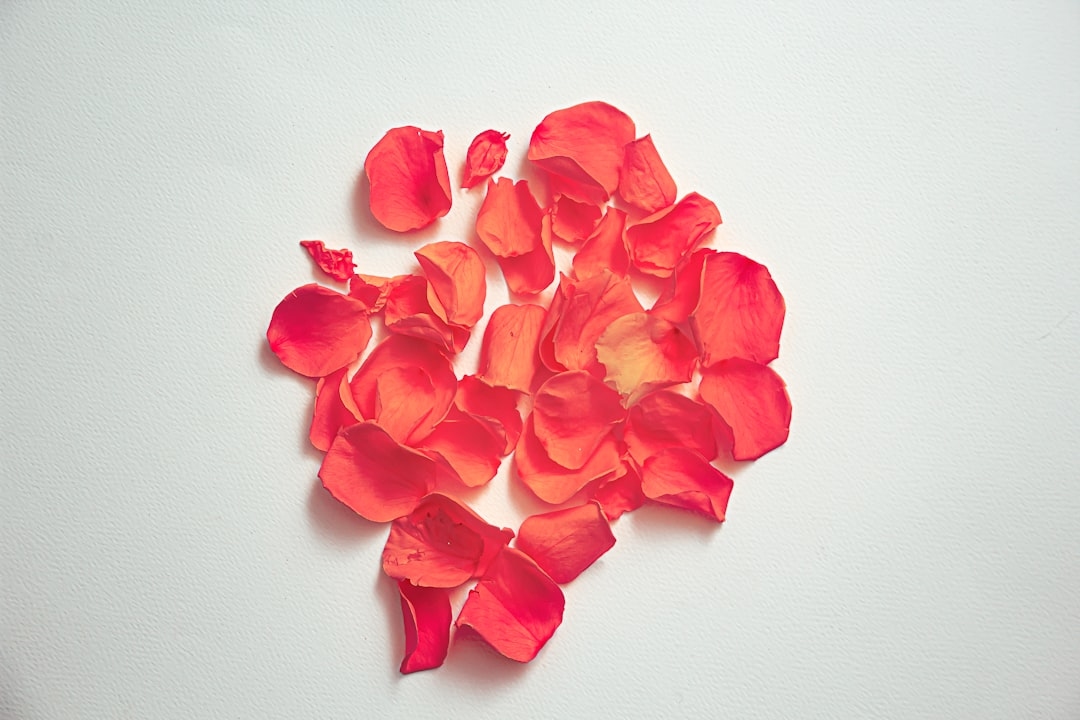
There’s a reason roses remain the number-one Valentine’s Day choice in the U.S. (with Americans spending over $2.4 billion on roses alone in 2025, according to FTD). Their petals drop cleanly, leaving no stains or residue. Spray roses and garden roses are just as tidy as standard ones.
Tulips
Tulip petals are thin and dry, and the stems exude only a mild, non-sticky sap. Even as they droop, there’s no mess. Tip from florists: Give tulips a fresh trim and cold water to keep them upright longer–no extra work later.
Carnations (and Mini Carnations)
Carnations last up to three weeks in a vase and, when they finally go, the petals simply dry and fall. There’s zero oiliness. This makes them a favorite for hospitals, offices, and event centers.
Snapdragons
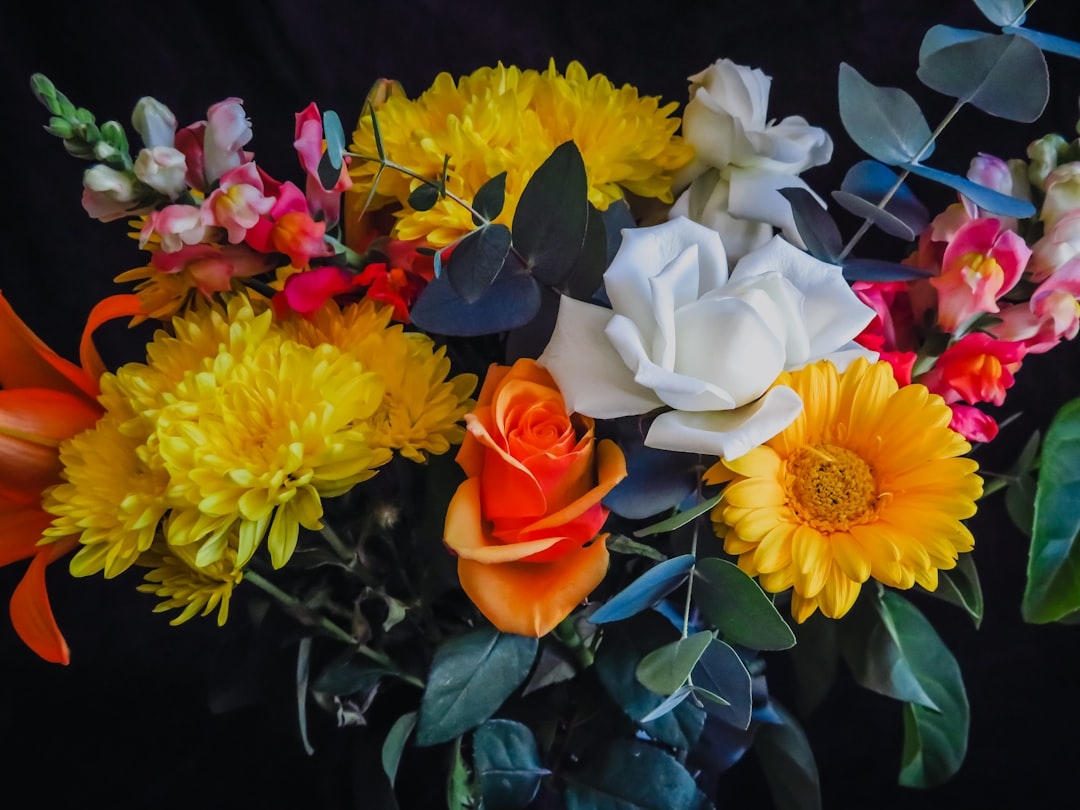
With tall, colorful spikes, snapdragons add drama without dropping sap or sticky petals. Their only downside is that the flowers drop off as the stem ages–but again, these are dry, not oily.
Fast Reference Table: Mess-Free vs. Messy Blooms
| Clean Petals (No Oil/Sap) | Messy Petals (Oils/Sap) |
|---|---|
| Roses | Gardenias |
| Tulips | Camellias |
| Carnations | Magnolias |
| Snapdragons | Stargazer lilies (can stain) |
| Irises | Plumeria |
| Lisianthus | Calla lilies (some varieties) |
Flowers That Drop Oily Petals (and Why You Might Avoid Them)
Knowing what not to pick can save cleanup headaches, especially in homes with kids, pets, or white fabrics nearby.
Gardenias
Gardenia petals ooze fragrant oils–wonderful in a garden, but inside, they can stain. “We rarely use gardenias in tablescapes for clients with children or pets,” says Yvette Trujillo, owner of Boulder Blooms (Boulder, CO). “The mess is not worth the scent.”
Camellias & Magnolias
These Southern showstoppers are famous for their glossy, waxy petals–but as they decline, they can turn brown and leave oily marks. That’s why many event florists avoid them for indoor arrangements or recommend placing them on non-porous surfaces.
Plumeria & Some Lilies
Plumeria flowers, popular in Hawaiian leis, secrete a sticky sap. Some lilies, especially stargazers, drop pollen that can stain, but their petals are dry–not oily. Still, removing lily anthers can help prevent messes.
“Choose blooms with dry petals for public areas and high-traffic spaces. The difference is night and day after a few days indoors.”
– Yvette Trujillo, Boulder Blooms
The Science of Mess-Free Petals
Why do so many classic bouquet flowers stay clean? It comes down to plant biology and breeding. Modern cut flower varieties have been developed for decades by U.S. horticulturalists to minimize common consumer complaints: drooping, excessive fragrance, pollen drop, and–yes–oiliness.
A 2024 study by Cornell University’s Department of Horticulture found that 87% of cut flowers sold by major U.S. brands in grocery stores had “negligible” petal residue after five days at room temperature.
What About Fragrance and Oils?
Often, oiliness is linked to intense fragrance. Highly scented flowers like tuberose, jasmine, and frangipani tend to have more surface oils, which can transfer to skin or fabric. By contrast, sweet pea, lisianthus, and hydrangea are nearly scentless and completely dry.
Care Tips: Keeping Flowers (and Surfaces) Clean
Even mess-free flowers need a little TLC to keep things spotless. Here’s how florists keep arrangements looking fresh–and tables unmarked–all week.
1. Remove Foliage Below the Waterline
Leaves–rather than petals–can rot and release sap, making vase water murky. Strip all greenery below the water.
2. Change Water Daily
Clean water means less decay and no funky smells or sticky residues.
3. Avoid Direct Sun & Heat
Warmth can speed up petal drop and, for some flowers, oil release.
4. Use Glass or Ceramic Vases
Porous containers (like unfinished wood) can absorb any sap, so stick to easy-wash materials.
5. Keep Away From Fruit
Ripening fruit gives off ethylene gas, which can hasten petal drop in certain sensitive varieties (e.g., irises, tulips).
Best Mess-Free Flowers for Special Occasions
When you’re buying for Mother’s Day, weddings, or corporate events, ask your florist for these reliably clean choices:
- Roses: All colors, especially classic reds and creams.
- Lisianthus: Fluffy and elegant, lasts up to 2 weeks.
- Hydrangea: Bold, color-rich, and no oily residue.
- Sunflowers: Drop dry pollen, not oil.
- Ranunculus: Lush petals, no stickiness.
- Stock: Sweet-scented but dry.
Many U.S. flower-delivery brands–like Teleflora, 1-800-Flowers, and UrbanStems–let you filter arrangements by bloom type. Most “everyday” bouquets use only mess-free flowers as a default to avoid customer complaints.
Frequently Asked Questions
What cut flowers have oily or sticky petals?
Gardenias, camellias, magnolias, plumeria, and some intensely fragrant tropical flowers can have oily or sticky petals. Most standard cut flowers–roses, tulips, carnations–do not.
Do lilies drop oily petals or just pollen?
Lilies generally do not drop oily petals, but certain types (like stargazers) drop orange pollen that can stain. The petals themselves are usually dry.
Are sunflowers messy indoors?
Sunflowers are largely mess-free. They may shed dry yellow pollen and petals, but there is no oily residue.
Which flowers are safest for homes with pets and kids?
Stick with roses, tulips, lisianthus, snapdragons, and carnations for the cleanest, safest indoor arrangements. Avoid gardenias, lilies (some can be toxic), and plumeria.
How do I prevent stains from cut flowers on my tablecloth?
Use mess-free blooms, change water daily, remove lower leaves, and place a tray or coaster under your vase. Avoid flowers known for oily petals like gardenias or camellias.
What’s Next? Choosing Clean Blooms for Your Next Arrangement
Ask your florist–by phone or in-store–about petal behavior! Most are happy to steer you toward varieties that won’t leave a greasy mark behind. Or, browse reputable U.S. e-florists (Teleflora, UrbanStems) and pick bouquets featuring roses, tulips, or lisianthus. For DIY, keep a quick reference list handy and don’t be afraid to experiment with new, low-maintenance varieties. Clean petals mean more time enjoying your flowers–and less time scrubbing your table.
Ready to create a mess-free bouquet? Share this guide with your local florist the next time you order, or screenshot the table above for quick reference. Your future self (and your tablecloth) will thank you.