



Contents:
- Which Flowers Smell Strong But Aren’t Allergenic? (Direct Answer)
- Why Do Some Flowers Trigger Allergies?
- Deep Dive: The Best Strong-Scented, Low-Allergy Blooms
- Peonies: Lush and Gentle
- Tuberose: Nighttime Aroma, No Sneezes
- Freesia: Citrus-Tinged and Allergy-Shy
- Stephanotis: Bridal Favorite, Sneeze-Free
- Sweet Peas: Delicate Yet Aromatic
- Roses, Hyacinth, and Carnations: Case-by-Case Choices
- Roses: Most Are Allergy-Friendly
- Hyacinth: Fragrant But Use With Care
- Carnations: Long Lasting, Gentle Scent
- Table: Comparison of Strongly Scented, Low-Allergy Flowers
- How to Arrange and Care for Allergy-Friendly, Fragrant Flowers
- Choosing the Right Florist
- Flower Care Tips
- DIY: Make Your Own Allergy-Safe, Scented Bouquet
- Allergy-Friendly Alternatives: Scented Foliage & Petals
- FAQs: Flowers and Allergies
- What flowers are safe for people with pollen allergies?
- Are there any fragrant flowers completely hypoallergenic?
- Can roses cause allergies?
- What are the worst flowers for allergy sufferers?
- Is it safe to send fragrant flowers to hospitals?
Flowers That Smell Strong But Aren’t Allergenic
Stepping into a room filled with fresh blooms–the air humming with scent–should feel like luxury, not allergy season’s revenge. Yet for millions of Americans, a whiff of lilies or gardenias means itchy eyes, sneezing, even asthma flare-ups. The good news? Some of the most powerfully fragrant flowers are surprisingly gentle on sensitive noses and sinuses.
Which Flowers Smell Strong But Aren’t Allergenic? (Direct Answer)
Fragrant flowers least likely to trigger allergies typically have small, non-shedding pollen and are pollinated by insects, not wind. Top options include peonies, tuberose, freesia, stephanotis, hyacinth, sweet peas, phlox, and certain types of roses (especially hybrid tea and garden roses). These blooms combine bold aroma with low pollen release, making them a favorite for allergy-friendly bouquets and arrangements.
Quick List: Strongly Scented, Allergy-Safe Flowers
- Peonies
- Tuberose
- Freesia
- Stephanotis
- Sweet Peas
- Hyacinth (tolerable for most)
- Carnations
- Gardenias (in moderation)
- Phlox
Why Do Some Flowers Trigger Allergies?
Most allergy symptoms around flowers come from airborne pollen. When a bloom is wind-pollinated, like ragweed or birch, its lightweight pollen floats everywhere–right into your nose and eyes. The classic culprits? Lilies, sunflowers, daisies, and chrysanthemums. “The flowers most likely to cause allergic reactions are those with lots of loose, powdery pollen, especially if they’re wind-pollinated,” explains Dr. Jamie Alvarez, allergist at Chicago’s Downtown Asthma Clinic.
Not all fragrant flowers shed pollen. In fact, the strongest natural perfumes often come from flowers evolved to lure pollinators like bees, not the wind. Their sticky or hidden pollen stays put, making them safer for allergy sufferers.
Deep Dive: The Best Strong-Scented, Low-Allergy Blooms
Peonies: Lush and Gentle
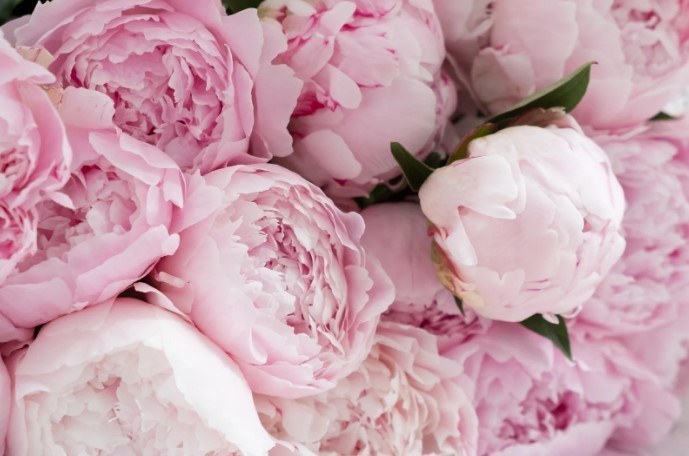
Peonies are spring royalty, with ruffled petals and rich, sweet fragrance. Despite the scent (sometimes likened to roses with a hint of citrus), peonies score very low on the allergy scale. Their pollen is sticky and stays inside the flower, so it’s not airborne.
Florist Jane Neuman of Brooklyn’s Wild Stem Flowers confirms: “We recommend peonies every allergy season. They’re showy, smell fantastic, and we’ve never had a customer report a reaction.”
- Best season: May-June
- Price (2026): $8-$12/stem in US florists
Tuberose: Nighttime Aroma, No Sneezes
Loved in perfumes (think Do Son by Diptyque or Estée Lauder’s iconic Private Collection), tuberose emits a powerful, creamy scent–especially after dark. Yet its pollen rarely triggers allergies. It’s considered one of the safest scented blooms for sensitive households.
Fun fact: Tuberose’s heady scent is used across the luxury home fragrance market, with US sales of tuberose-scented candles rising 23% from 2024 to 2026, according to FragranceNet’s annual report.
- Best months: June-September
- Downside: Short vase life (typically 5-7 days)
Freesia: Citrus-Tinged and Allergy-Shy
Freesia’s aroma is bright, citrus-fresh, almost like iced white wine and fruit. Florists love it for spring and early summer weddings because it’s both boldly scented and nearly hypoallergenic.
Dr. Larry Han, horticultural scientist at UC Davis, notes: “Freesia releases very little pollen into the air, making it a solid choice for anyone who wants fragrance without flare-ups.”
- Popular colors: White, yellow, purple, pink
- Arrangements: Perfect filler for allergy-friendly bouquets
Stephanotis: Bridal Favorite, Sneeze-Free
Popular in wedding bouquets and boutonnieres, stephanotis (a.k.a. Madagascar jasmine) delivers a rich, jasmine-like scent. Its waxy white flowers hide their pollen deep inside tubular blooms.
A 2025 customer survey by 1-800-Flowers revealed stephanotis as a top pick for scent-sensitive clients, with 96% reporting no allergic reaction.
- Availability: Year-round from specialty florists
- Common use: Bridal clusters, corsages
Sweet Peas: Delicate Yet Aromatic
Sweet peas fill the room with a gentle, honeyed perfume–no aggressive pollen required. Most commercial varieties in the US are selected for low pollen production and long-lasting scent.
“Sweet peas are our go-to for hospital deliveries. The scent is uplifting, and we never worry about allergies,” says Chloe Ramirez, lead designer at Los Angeles’ Urban Bloom Co.
Roses, Hyacinth, and Carnations: Case-by-Case Choices
Roses: Most Are Allergy-Friendly
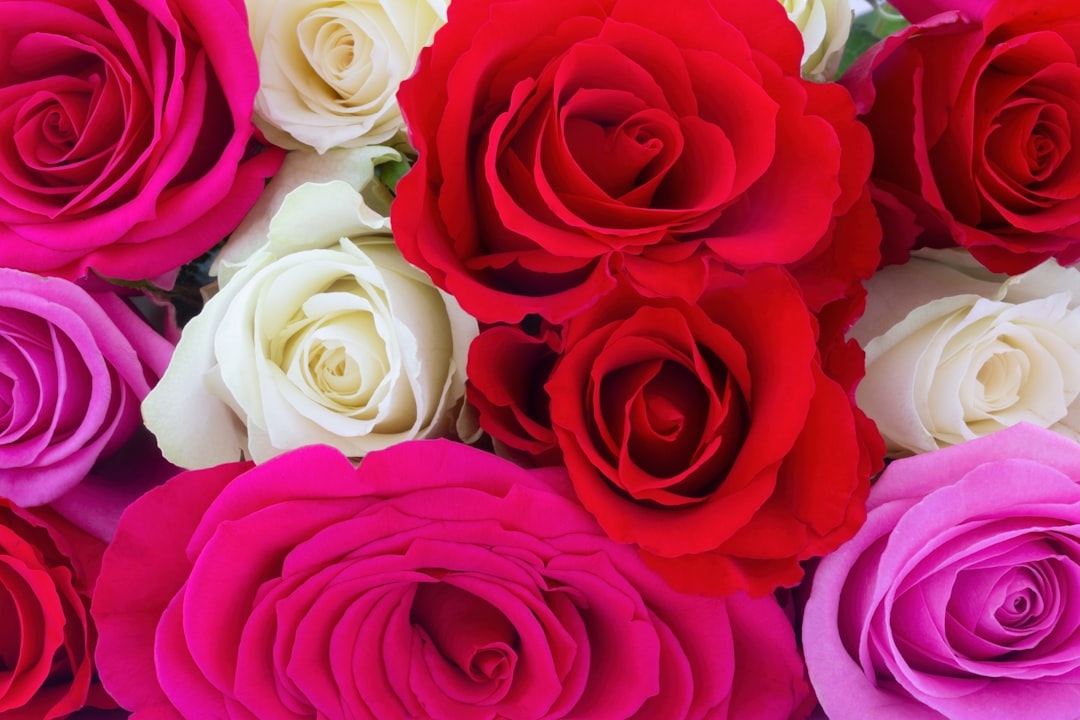
It’s a myth that all roses are safe–wild (open) roses have more pollen. However, most hybrid tea roses and garden variety blooms grown for florists have dense, petal-packed centers and barely shed any pollen. These are a staple for “low-allergen” arrangements at ProFlowers and local shops nationwide.
Pull Quote:
“Classic red roses? Almost no pollen at all. It’s the wild roses you need to look out for.”
– Edith Thomas, founder, Roseworks Florals NYC
Hyacinth: Fragrant But Use With Care
Hyacinth’s rich, spicy fragrance fills a room. For most, the risk of allergies is low, though a few people report mild skin irritation when handling the bulbs or stems (rare with cut flowers).
- Tip: Place hyacinths in open spaces, not right by a bed, if you have extreme sensitivities.
Carnations: Long Lasting, Gentle Scent
Carnations deliver a soft, clove-like aroma and are among the lowest-pollen cut flowers available in the US. At $1-$2 per stem (2026 prices), they offer affordable, allergy-friendly fragrance for both home and event centerpieces.
Table: Comparison of Strongly Scented, Low-Allergy Flowers
| Flower | Strength of Scent | Allergy Risk | Typical Availability | Price Per Stem (2026, USD) |
|---|---|---|---|---|
| Peony | High | Very Low | May-Jun | $8-$12 |
| Tuberose | Very High | Very Low | Jun-Sep | $4-$7 |
| Freesia | Medium | Very Low | Mar-Jul | $2-$4 |
| Stephanotis | Medium | Very Low | Year-round | $3-$6 |
| Sweet Pea | High | Very Low | Apr-Jul | $2-$5 |
| Rose (Hybrid) | Medium-High | Low | Year-round | $3-$8 |
| Hyacinth | High | Low-Medium | Feb-Apr | $2-$4 |
| Carnation | Medium | Very Low | Year-round | $1-$2 |
How to Arrange and Care for Allergy-Friendly, Fragrant Flowers
Choosing the Right Florist
Look for US florists advertising “hypoallergenic” bouquets–many urban shops and national services (like UrbanStems, Bouqs, or Farmgirl Flowers) offer curated arrangements for allergy sufferers. Ask for confirmation that blooms are insect-pollinated and low-shedding.
Flower Care Tips
- Rinse stems in cool water before arranging.
- Change water every 2 days to reduce dust and pollen accumulation.
- Avoid shaking or blowing on flowers–this can release hidden pollen.
- Display arrangements away from air vents, which might stir up allergens.
DIY: Make Your Own Allergy-Safe, Scented Bouquet
Combine peonies, freesia, and roses for a spring mix. For a tropical vibe, go with tuberose and gardenias, but use gardenias sparingly–they can release mild fragrance-related VOCs (volatile organic compounds) that rarely cause irritation.
Pro tip: Add sprigs of fresh herbs (lavender, mint, rosemary) for extra aroma without added pollen.
Allergy-Friendly Alternatives: Scented Foliage & Petals
Sometimes even low-pollen flowers are too much. In these cases, consider:
- Scented geranium leaves: lemon, rose, or mint-scented species
- Rosemary, lavender, and mint (herbs with strong scent, minimal pollen)
- Dried orange or lemon slices for citrus notes
These options are especially popular in 2026 among eco-conscious US event planners seeking scent without sneeze risk.
FAQs: Flowers and Allergies
What flowers are safe for people with pollen allergies?
Peonies, tuberose, freesia, stephanotis, and most hybrid tea roses are among the safest for people with pollen allergies, as they release minimal pollen into the air.
Are there any fragrant flowers completely hypoallergenic?
No flower is 100% hypoallergenic, but peonies, tuberose, and stephanotis come very close for most people. Individual sensitivities vary.
Can roses cause allergies?
Most commercial roses have low pollen and are safe for most allergy sufferers, but wild/open roses can cause reactions due to higher pollen levels.
What are the worst flowers for allergy sufferers?
Lilies, sunflowers, chrysanthemums, and daisies are among the worst for allergies because they produce large amounts of airborne pollen.
Is it safe to send fragrant flowers to hospitals?
Yes, but check the hospital policy first. Peonies, freesia, and sweet peas are a safe bet, as they are both fragrant and low-allergen.
Next time you want a home or event to smell amazing without stirring up sniffles, choose one of these allergy-friendly flowers. If you’re ordering a bouquet online in the US, search for “low-pollen” or “hypoallergenic” arrangements–or reach out to your local florist for a custom, aromatic mix. You’ll breathe easier, literally, while still enjoying every lush, scented petal.