


Contents:
- Quick Answer: What Does the Rose Mean in Persian Culture?
- The Rose: Heartbeat of Persian Floristry
- Roses, Poetry, and Sufism: A Love Story
- Rose as the Beloved
- Rose in Sufi Mysticism
- The Rose in Persian Gardens and Celebrations
- Rosewater and Rose Festivals
- Signature Persian Floral Arrangements
- Artistic and Spiritual Legacy
- Modern Creative Uses
- Persian vs. Western Rose Symbolism
- Roses in Everyday Persian-American Life
- Where to Buy Authentic Persian Roses in the US
- Frequently Asked Questions
- What is the Persian word for rose?
- Why are roses so important in Persian poetry?
- How is rosewater used in Persian culture?
- Are Persian roses different from American roses?
- Can I grow Persian roses in the US?
How Persian Culture Views the Rose
Picture a bustling 14th-century Persian garden. Sunlight filters through cypress trees, but it’s the velvet-petaled rose, glistening with dew, that draws every eye–and seemingly every poet’s pen. In Iran, the land where Rumi wrote and Hafiz wove word-magic, the rose isn’t just a flower. It’s a national symbol, a muse, and a language all its own.
Quick Answer: What Does the Rose Mean in Persian Culture?
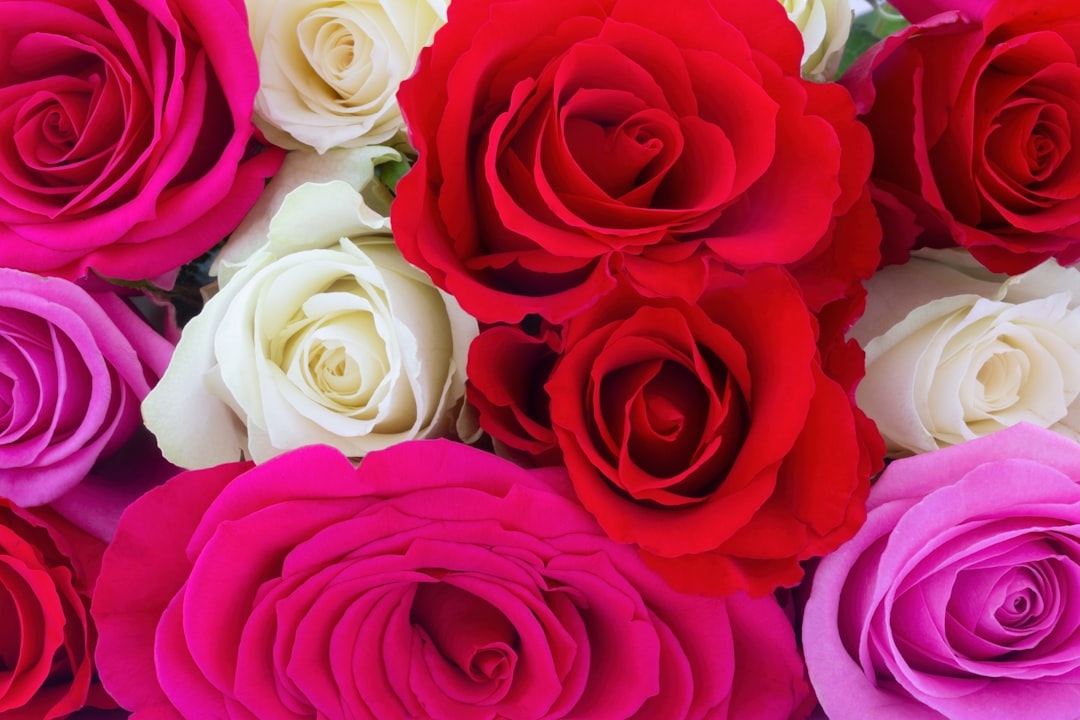
In Persian culture, the rose (called “gol-e-sorkh” in Farsi) stands for beauty, love, and spiritual yearning. It dominates Persian poetry, art, and gardens, seen as the ultimate symbol of both sensual and divine affection. For over a thousand years, the rose has played center stage in cultural celebrations, mystical writing, and the floral designs of Iranian crafts. Its deep red hue especially represents passionate love and the mysteries of the heart.
The Rose: Heartbeat of Persian Floristry
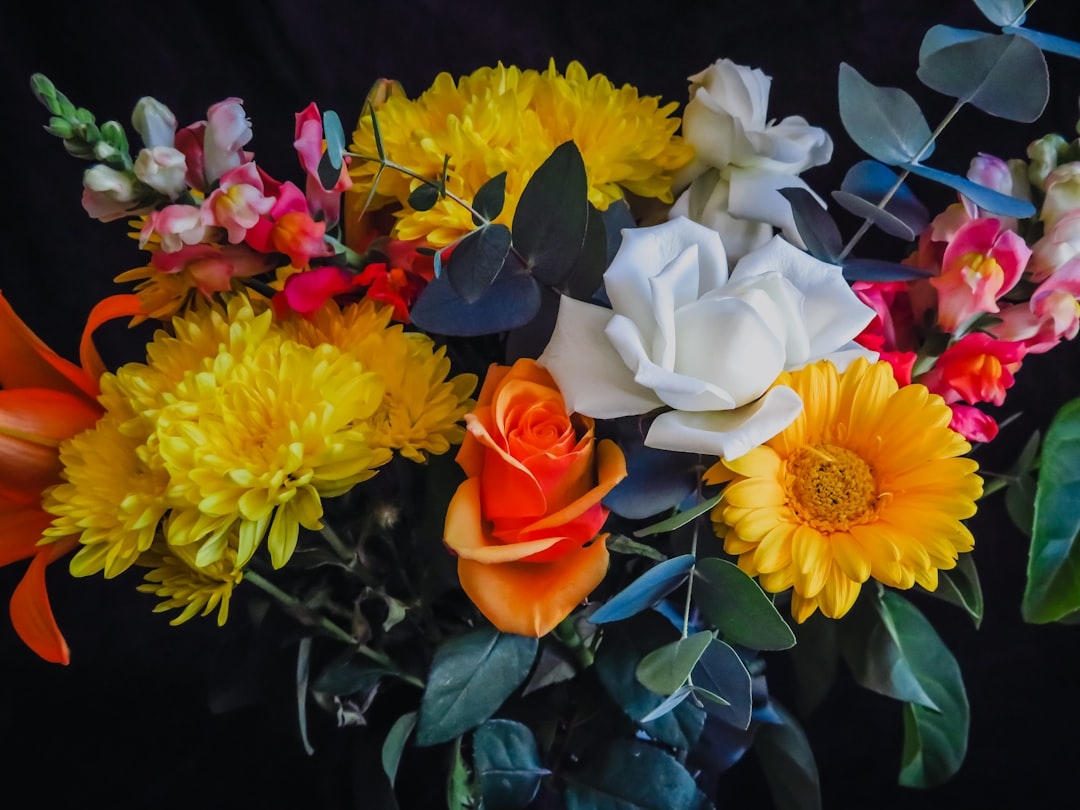
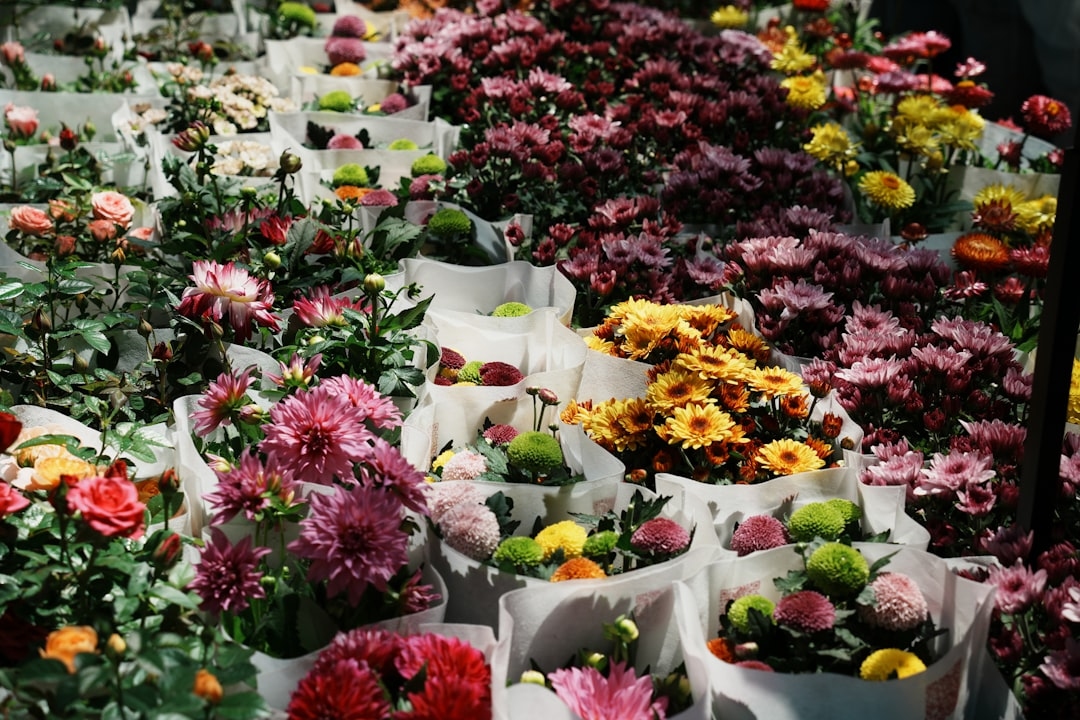
Walk into any Iranian flower shop–whether in Tehran or Los Angeles–and you’ll find the rose front and center. US-based florists like Mahin’s Rose Boutique in Los Angeles say that Persian-American customers request roses for weddings, Nowruz (Persian New Year), and funerals more than any other flower. According to Mahin Nourani, owner and Master Florist since 1991, “The red rose is the gold standard. Persian families send dozens–never just a single stem–to show abundance and devotion.”
Why the obsession?
It’s not random. The Persian Empire (now Iran) was trading rose oil and dried petals on the Silk Road as early as the 9th century. Damask roses, those densely petaled, divinely fragrant varieties, actually trace their commercial spread to Persian horticulture.
| Rose Type | Role in Persian Culture | Common Use in the US |
|---|---|---|
| Damask (Gol-e-Mohammadi) | Main rose in Persian gardens | Rosewater, edible petals |
| Red hybrid tea | Symbol of love and sacrifice | Bouquets, gifts |
| Yellow rose | Friendship, warmth | Celebrations |
Roses, Poetry, and Sufism: A Love Story
Persian poetry is one of world literature’s hidden goldmines, and in it, the rose reigns. Hafiz, Rumi, Sa’adi–nearly every classical poet uses the rose as shorthand for the beloved, the divine, or the pain of separation.
Rose as the Beloved
Rumi writes:
“The rose’s rarest essence lives in the thorns.”
Here, the rose is both beauty and pain, love and longing. Sa’adi, in his 13th-century “Gulistan” (“The Rose Garden”), filled entire volumes with metaphors woven from flowers.
Rose in Sufi Mysticism
Sufis use the rose as a symbol for the soul’s desire to reunite with the divine. Shireen Mazari, PhD in Islamic Studies, notes in her 2022 interview with the Iranian Floriculture Society:
“The rose’s unfolding, petal by petal, mirrors the human journey toward spiritual enlightenment in Persian Sufi thought.”
Those thorns? They’re the trials you face on the way to love–whether earthly or spiritual.
The Rose in Persian Gardens and Celebrations
Iran is the birthplace of the “Persian garden”–so influential that UNESCO named it an Intangible Cultural Heritage in 2011. These gardens always feature roses at their core, lined along water channels and shaded courtyards.
Rosewater and Rose Festivals
Persians don’t just look at roses–they use them.
- Rosewater (Golab): Central to cuisine and ceremony. Each spring, the city of Kashan produces over 300,000 liters of rosewater, used for everything from desserts to religious rituals. US importers like Sadaf and Golchin carry top-quality Persian rosewater, selling for about $8-$12 per 16 ounces in 2026.
- Golabgiri Festival: Held in May and June in towns like Qamsar near Kashan. Visitors help harvest roses before sunrise, then join traditional distillation ceremonies.
Signature Persian Floral Arrangements
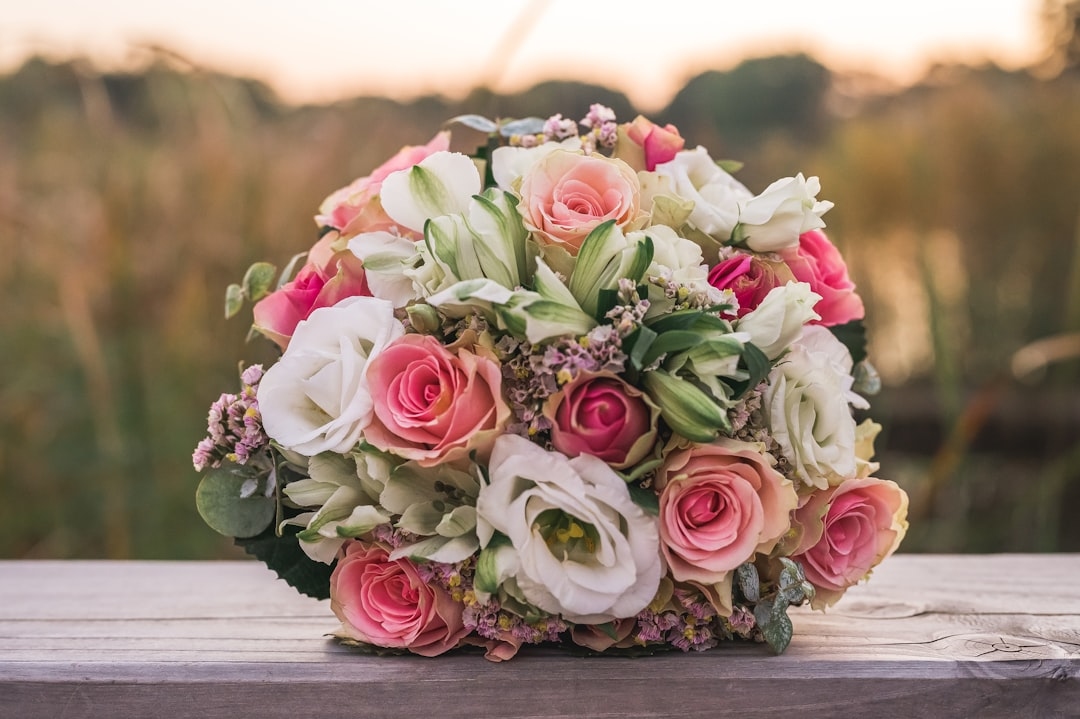
Traditional Persian bouquets rarely mix more than three types of blooms. Roses are paired with lilies, tuberose, or cypress greens. For Persian weddings in the US (average floral budget: $2,500-$4,000, per The Knot’s 2026 survey), red and cream damask roses dominate bridal tables and takht (thrones).
Artistic and Spiritual Legacy
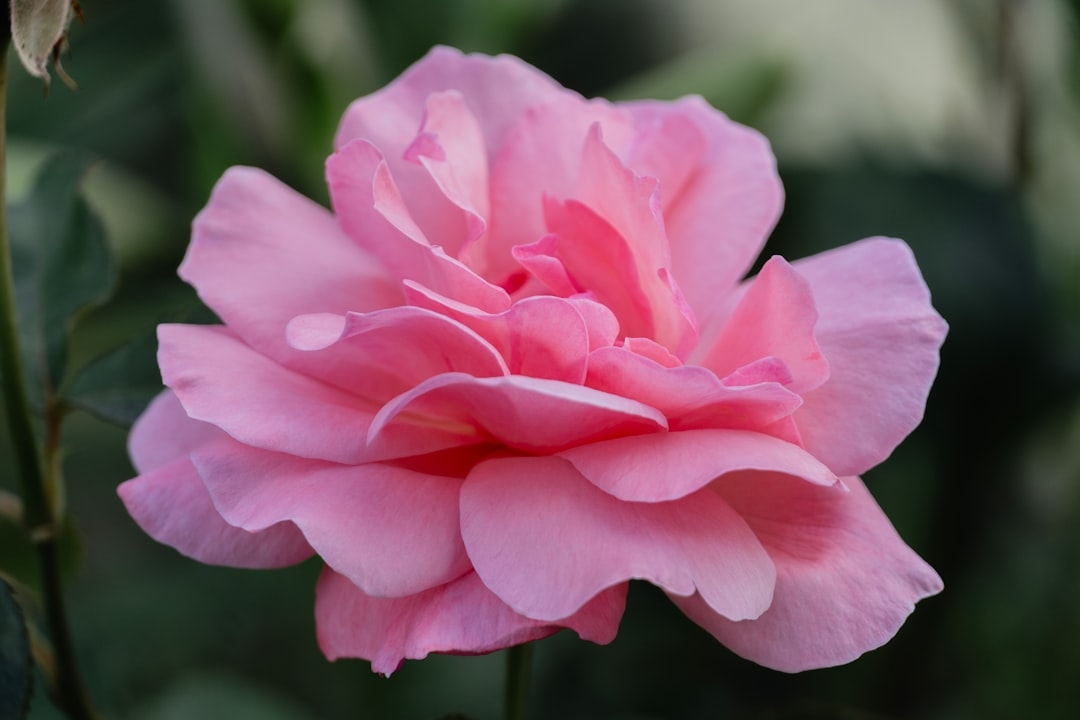
Walk through Tehran’s Golestan Palace or browse Persian carpets at the Getty Museum in Los Angeles–roses unfurl in mosaics, tiles, and woven silk. In miniature paintings, they symbolize the fleeting beauty of life. In mystical texts, they are likened to the human heart: layered, fragile, and unfathomably deep.
Modern Creative Uses
- Tattoo Trends: Farsi-script rose tattoos surged 30% among Iranian-Americans on Instagram in 2025, according to tattooist Leila Shadmehr.
- Home Decor: US retailers like West Elm and Z Gallerie now stock Persian-style rose-print pillows and tableware aimed at the growing Iranian-American demographic.
Persian vs. Western Rose Symbolism
While roses are a universal favorite, the layers of meaning in Persian culture set them apart from Western interpretations.
| Feature | Persian Culture | Western Culture |
|---|---|---|
| Main Symbolism | Love, spirituality, longing | Romance, passion |
| Artistic Use | Carpets, miniatures, poetry | Greeting cards, art |
| Edible Use | Rosewater, desserts | Rose jam, rare teas |
| Event Role | Religious, mystical, festive | Valentine’s Day, weddings |
“The Persian rose is not just a flower; it is a philosophy in bloom.” – Dr. Nasrin Habibi, Cultural Historian
Roses in Everyday Persian-American Life
For many Persian-Americans, roses bridge continents. Arranging a Nowruz haft-seen (spring table)? Crimson or pink roses are placed near the mirror to reflect beauty and hope for the year ahead. At funerals, roses in white and red symbolize remembrance and eternal connection.
Where to Buy Authentic Persian Roses in the US
- 1-800-Flowers and ProFlowers now list “Persian rose” arrangements for Persian holidays.
- Niche florists like Shirin’s Floral Studio (San Jose, CA) import damask rose petals for custom bouquets.
- High-quality edible rosewater is available on Amazon, Sadaf.com, and at Iranian grocery stores nationwide.
Frequently Asked Questions
What is the Persian word for rose?
The Persian (Farsi) word for rose is “gol” (گل), but the most common full phrase is “gol-e-sorkh” (گل سرخ), meaning “red rose.”
Why are roses so important in Persian poetry?
Roses are central in Persian poetry because they symbolize both idealized love and the spiritual journey. Poets used roses to illustrate the beauty, pain, and longing of human experience, as well as the soul’s yearning for unity with the divine.
How is rosewater used in Persian culture?
Rosewater (golab) is used in cooking–especially for desserts like baklava and rice pudding–in religious rituals, and sprinkled on guests at celebrations for blessing and purification.
Are Persian roses different from American roses?
Yes. Persian damask roses (Rosa damascena) are prized for their intense fragrance and oil content, while American roses are often larger, bred for color and durability. Persian roses are smaller, deeply fragrant, and mostly pink or red.
Can I grow Persian roses in the US?
Absolutely. Damask rose bushes thrive in USDA Zones 5-9. They prefer well-drained soil and lots of sun. Several US nurseries offer Rosa damascena plants, usually priced around $30-$60 per bush in 2026.
Want to weave a bit of Persian magic into your life? Try adding a bowl of rosewater to your next dinner party, gifting a Persian-inspired bouquet, or reading Hafiz by candlelight. The rose isn’t just a flower; in Persian culture, it’s a living legend, waiting to be rediscovered in every petal.
+ There are no comments
Add yours