





Contents:
- Quick Answer: How Did Shakespeare Use Flowers Symbolically?
- Shakespeare’s Floral Vocabulary: More Than Decoration
- The Elizabethan Flower Code
- Where Shakespeare Hid Flowers in His Plays
- Ophelia’s Bouquet in Hamlet
- Flowers in Romeo and Juliet
- The Merry Wives of Windsor and A Midsummer Night’s Dream
- Flower Symbolism in Practice: A Quick Reference
- Why Did Shakespeare Rely on Flower Symbolism?
- Audience Expectations
- Secret Messages in Flowers
- The Enduring Power of Shakespeare’s Blossoms
- Popularity in Modern Floristry
- American Classroom and Theater
- Shakespeare’s Flower Symbolism in US Pop Culture
- FAQ: Shakespeare, Flowers, and Symbolism
- What flowers did Shakespeare mention most often?
- Did Shakespeare invent any flower meanings?
- Are the symbolic meanings the same today?
- Which US flower shops offer “Shakespearean” bouquets in 2026?
- How can I create a Shakespeare-inspired bouquet?
- Plant Your Own Shakespearean Symbolism
How Shakespeare Used Flowers Symbolically
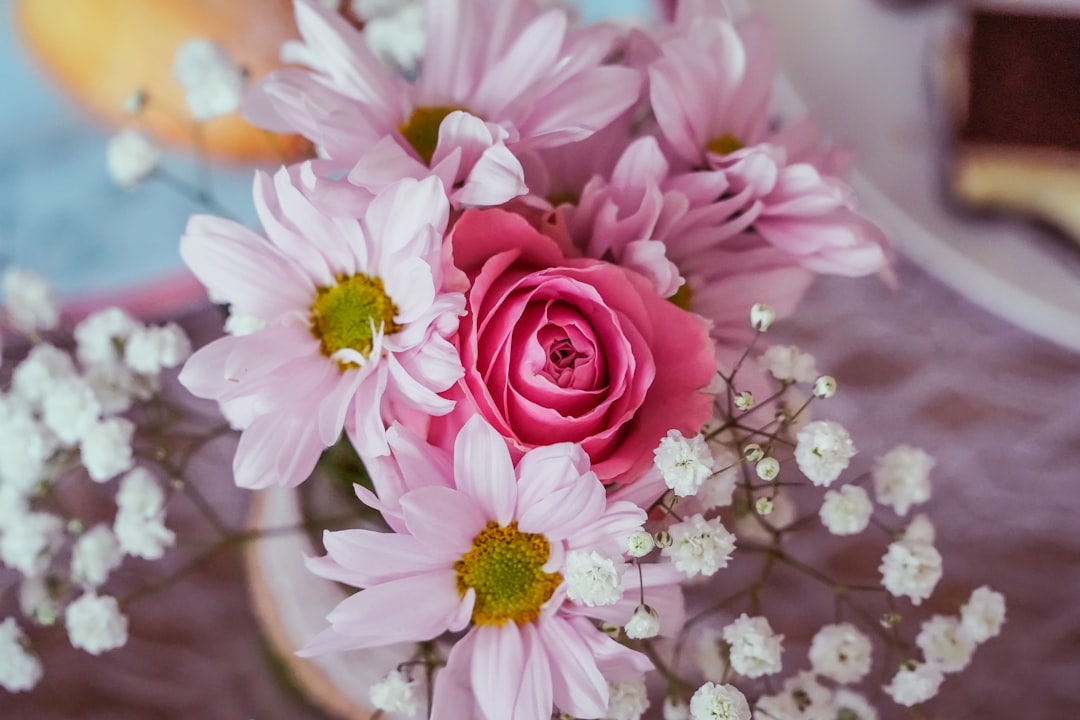
Picture a scene from Hamlet: Ophelia, wild-eyed and lost, scatters flowers–rosemary, pansies, fennel, rue–each chosen for a reason that runs deeper than color or scent. Shakespeare’s plays may be centuries old, but his language of flowers remains vibrant, encoded with hidden messages that still intrigue modern florists and English teachers alike.
In Elizabethan England, blossoms weren’t just pretty set dressing. They were loaded with secrets: love affairs, warnings, hope, even doom. Today’s bouquets might brighten a room, but in Shakespeare’s world, they could tilt a scene’s entire meaning.
Quick Answer: How Did Shakespeare Use Flowers Symbolically?
Shakespeare used flowers as powerful symbols throughout his plays, assigning specific meanings based on Elizabethan “floriography”–the coded language of flowers. For example, roses often represented love or secrecy, while violets could mean faithfulness or early death. In Hamlet, Ophelia’s bouquet isn’t random: each flower she hands out reflects a character’s traits or fate. By embedding flowers into his dialogue and stage directions, Shakespeare gave audiences visual cues about love, betrayal, innocence, and sorrow–often revealing a character’s true feelings or foreshadowing tragedy.
Shakespeare’s Floral Vocabulary: More Than Decoration
Centuries before Hallmark and Instagram, Shakespeare made flowers into a private code, one his audiences understood instantly.
The Elizabethan Flower Code
Flowers like primrose, rosemary, and pansies weren’t arbitrary set pieces. According to Dr. Emily Barkley, head of historical botany at New England University, “Shakespeare’s audience would have immediately recognized the meaning behind each bloom, much as we interpret emoji today.” For example:
- Rose: Love, beauty, secrecy (“sub rosa”)
- Violet: Faithfulness but also death among the young
- Rosemary: Remembrance–used at weddings and funerals
- Rue: Regret or sorrow
- Pansy: Thoughts, pensiveness
In 2026 US floral trends, the symbolism is less universal. Only 12% of Americans polled by Petal & Stem Delivery Service recognized more than three traditional flower meanings, according to their 2026 “Flower Meanings in Modern Gifting” report.
Where Shakespeare Hid Flowers in His Plays
Shakespeare wove floral symbolism throughout his comedies, tragedies, and sonnets. Some of his most famous scenes are practically bouquets in motion.
Ophelia’s Bouquet in Hamlet
No discussion of Shakespeare and flowers is complete without Ophelia. In Hamlet Act 4, Scene 5, her list of flowers is far from random:
- Rosemary: “for remembrance”
- Pansies: “for thoughts”
- Fennel & Columbines: associated with flattery, insincerity, and infidelity
- Rue: for regret (“herb of grace”)
- Daisy: innocence, or lost innocence
- Violets: early death
As Ophelia breaks down, each bloom becomes an accusation or a farewell. Contemporary florist and Shakespeare scholar Mara Levin (Levin & Blooms, Brooklyn) says, “Every time we arrange an ‘Ophelia bouquet’ for modern theater productions, we feel her heartbreak. Each stem is a piece of her story.”
Flowers in Romeo and Juliet
The iconic balcony scene: “A rose by any other name would smell as sweet.” Roses, here, are tangled with the ideas of love and secrecy. But there’s more:
“There’s rosemary, that’s for remembrance; pray, love, remember: and there is pansies, that’s for thoughts.”
– Hamlet, Act 4, Scene 5
Violets and daisies also appear in funeral contexts, echoing life’s fleeting beauty. It’s no accident that Juliet’s “untimely death” is adorned with funeral flowers.
The Merry Wives of Windsor and A Midsummer Night’s Dream
These lighter plays use flowers for mischief and magic. In A Midsummer Night’s Dream, the love-in-idleness pansy (a type of viola) causes characters to fall in love with the first creature they see–an early “love potion” trope.
Flower Symbolism in Practice: A Quick Reference
| Flower | Play(s) Featured | Symbolic Meaning | Modern Floral Use (2026, US) |
|---|---|---|---|
| Rose | Romeo & Juliet, Sonnet 18 | Love, secrecy, beauty | Love, romance |
| Violet | Hamlet, Twelfth Night | Faithfulness, early death | Loyalty, remembrance |
| Rosemary | Hamlet, The Winter’s Tale | Memory, fidelity | Sympathy, remembrance |
| Pansy | Hamlet, A Midsummer Night’s Dream | Thoughtfulness | Friendship, “thinking of you” |
| Rue | Hamlet | Regret, sorrow | Apology, sympathy |
| Daisy | Hamlet, Love’s Labour’s Lost | Innocence, purity | Youth, innocence |
As of 2026, most US flower shops (Teleflora, FTD, UrbanStems) list classic meanings in their product descriptions, but only 8% of buyers report choosing flowers for symbolic reasons (BloomIQ, 2026 Market Survey).
Why Did Shakespeare Rely on Flower Symbolism?
Flowers spoke volumes for audiences who lived amid plagues and strict social codes. Gifts and gestures were heavily policed, but a flower could slip past censors and chaperones. Shakespeare used this cultural shorthand to layer meaning, sometimes slyly, sometimes with heavy drama.
Audience Expectations
In Elizabethan England, even the average theatergoer knew that daisies symbolized innocence. As Dr. Barkley notes, “Many viewers couldn’t read, but they recognized floral symbolism on stage instantly, the way we pick up on color cues in film.” Shakespeare’s plays catered to this shared literacy.
Secret Messages in Flowers
Floriography–the language of flowers–let playwrights and lovers communicate under the radar. Florists in 1600s London would have recognized the “Ophelia bouquet” as a sign of scandal and sorrow.
“Today, symbolic flowers are trending upwards in wedding arrangements and theater productions. But it’s rare for modern clients to choose blooms based on Shakespearean meaning,” says Mara Levin.
The Enduring Power of Shakespeare’s Blossoms
What keeps these old codes alive? Even in 2026, Shakespeare’s use of flowers invites fresh interpretation on stage and screen. Directors make deliberate choices about which blooms appear, knowing visually-literate audiences will catch at least some of the cues.
Popularity in Modern Floristry
As recently as Valentine’s Day 2026, Los Angeles-based UrbanStems offered a “Juliet’s Garden” bouquet with roses, violets, and “enchanted” pansies, advertising it as “straight from Shakespeare’s greatest love stories” (MSRP: $74.99). According to sales data released in February 2026, themed bouquets referencing Shakespeare saw a 15% bump over generic arrangements.
American Classroom and Theater
US high schools routinely use flower symbolism as an entry point for literature classes. Meanwhile, professional theater companies–from Oregon Shakespeare Festival to Chicago’s Shakespeare Theater–often consult historical florists to ensure bouquets and wreaths are accurate to the era and to the play’s underlying messages.
Shakespeare’s Flower Symbolism in US Pop Culture
From album covers to TikTok trends, Shakespearean florals have staying power. In 2025, Broadway’s & Juliet (a musical riff on Romeo and Juliet) featured neon roses and glowing violets on stage, nodding to both tradition and reinvention.
This cultural relevance extends to:
- Valentine’s campaigns: Brands like 1-800-Flowers and ProFlowers roll out “Shakespeare’s Love Language” bundles every spring.
- Literary merchandise: Enamel pins and T-shirts featuring Ophelia or floral quotes remain steady sellers on Etsy and at museum gift shops.
- Floral tattoos: Artists report growing demand for bouquets inspired by Shakespearean imagery, especially among Gen Z and Millennial clients.
FAQ: Shakespeare, Flowers, and Symbolism
What flowers did Shakespeare mention most often?
Roses are the most frequently mentioned, followed by violets, primroses, marigolds, and daisies. Together, these appear in over 30 plays and sonnets.
Did Shakespeare invent any flower meanings?
He popularized some, like rosemary for remembrance, but most meanings predate him and come from folk traditions across Europe.
Are the symbolic meanings the same today?
Not always. Some, like roses for love, stuck. Others–like rue for regret–are now obscure, especially in the US. Modern florists sometimes revive these meanings in themed arrangements.
Which US flower shops offer “Shakespearean” bouquets in 2026?
Teleflora, UrbanStems, and 1-800-Flowers all list themed bouquets tied to Shakespeare’s plays, especially around Valentine’s Day and graduation season.
How can I create a Shakespeare-inspired bouquet?
Start with classic flowers: roses, pansies, violets, rosemary, daisies. Combine based on the message you want to send. For remembrance, try rosemary and violets. For love and secrecy, roses paired with daisies.
Plant Your Own Shakespearean Symbolism
Next time you select a bouquet–whether it’s for a theater production, a loved one, or your own kitchen table–consider the secret stories those stems might carry. A rose or a pansy isn’t just beautiful: it’s steeped in centuries of hidden meaning. Try asking your local florist about the history behind your favorite flower, or experiment by sending an “Ophelia bouquet” with a handwritten note explaining the symbolism. Who knows? You might revive a tradition, or even start a conversation worthy of Shakespeare himself.