



Contents:
- Why Are Stock Flowers So Popular With Florists?
- The Fragrance Factor: Why Scent Still Sells
- Built for Bouquets: Structure, Texture, and Color
- Vertical Volume Without the Fuss
- A Color Palette for Every Season
- Vase Life and Durability: More Beauty, Less Waste
- Stands Up to Shipping and Handling
- Year-Round Availability: American-Grown and Beyond
- Domestic vs. Imported: Pricing and Quality
- Stock Flowers in Trends: Weddings, Events, and Everyday Design
- A Go-To for American Weddings
- Everyday Bouquets and Subscriptions
- Dried and Preserved Stock: The New Craze
- How Florists Use Stock: Expert Tricks and Pairings
- Textural Layering
- Focal Point or Filler? Both.
- Popular Pairings
- FAQ: Stock Flowers and Floristry in 2026
- How long do stock flowers last in a vase?
- Are stock flowers safe for pets?
- When are stock flowers in season in the US?
- How much do stock flowers cost?
- What colors do stock flowers come in?
- Ready to Try Stock Flowers? Easy Ways to Upgrade Your Next Arrangement
What Makes Stock Flowers So Popular With Florists
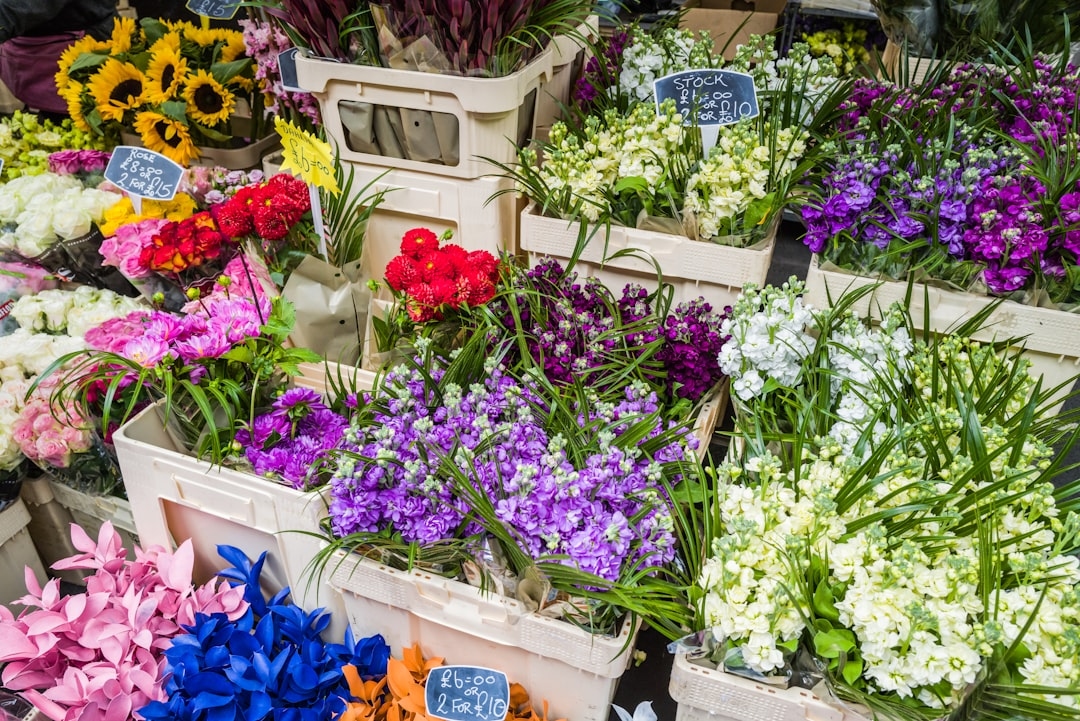
Walk into an American flower shop in spring, and you’ll spot them: long spires of clustered petals, sweet-scented and swirling in shades like vanilla cream, raspberry sorbet, and butter yellow. These are stock flowers–Matthiola incana if you want the botanical name. Florists can’t seem to get enough of them. In 2026, stock flowers have become a staple, not just for wedding bouquets but for vibrant everyday arrangements, event design, and even home subscription floral boxes. Why are these old-fashioned blooms suddenly having a modern renaissance? The reasons are as layered as a stock flower’s petals.
Why Are Stock Flowers So Popular With Florists?
Stock flowers are popular with florists due to their unique combination of long-lasting vase life (often 7-12 days), intoxicating clove-like fragrance, and versatile color range. They add vertical dimension to arrangements without overpowering other blooms, and their affordability–typically $12-$18 per bunch wholesale in the US–makes them accessible for everyday bouquets and high-end installations alike. Their availability nearly year-round from California growers and international suppliers further cements their status as a floral workhorse.
The Fragrance Factor: Why Scent Still Sells
Take a deep breath near a vase of stock, and you’ll understand part of the appeal. With their rich, spicy-sweet fragrance, stock flowers evoke nostalgic memories–think of grandma’s garden or a historic Charleston courtyard. In a 2025 survey by the American Floral Endowment, 69% of florists reported that customers frequently comment on scent as a deciding factor when buying flowers. Roses may reign supreme in the looks department, but modern rose varieties bred for shipping often lack scent. Stock, on the other hand, fills that olfactory gap.
“Stock flowers are one of the last old-school blooms that consistently deliver on fragrance,” says Maribel Chen, owner of Petal & Vine in San Francisco.
Fragrance isn’t just a bonus–it’s a way to stand out in a crowded floral market where consumers seek experiential value.
Built for Bouquets: Structure, Texture, and Color
Vertical Volume Without the Fuss
Florists love stock for the instant vertical movement it brings to bouquets and centerpieces. Each sturdy stem features clusters of ruffled florets, usually between 12 and 24 inches tall. This allows designers to create height without needing structurally tricky options like delphinium or snapdragons, which can be more fragile or unpredictable.
| Feature | Stock Flowers | Delphinium | Snapdragons |
|---|---|---|---|
| Vase Life (Days) | 7-12 | 5-8 | 5-10 |
| Fragrance | Yes (clove-like) | Mild to none | Light, grassy |
| Color Range | Wide (pastels & brights) | Blues, purples, pinks | Yellows, whites, reds |
| Cost per Bunch | $12-$18 | $16-$22 | $10-$15 |
| Fragility | Moderate | High | High |
A Color Palette for Every Season
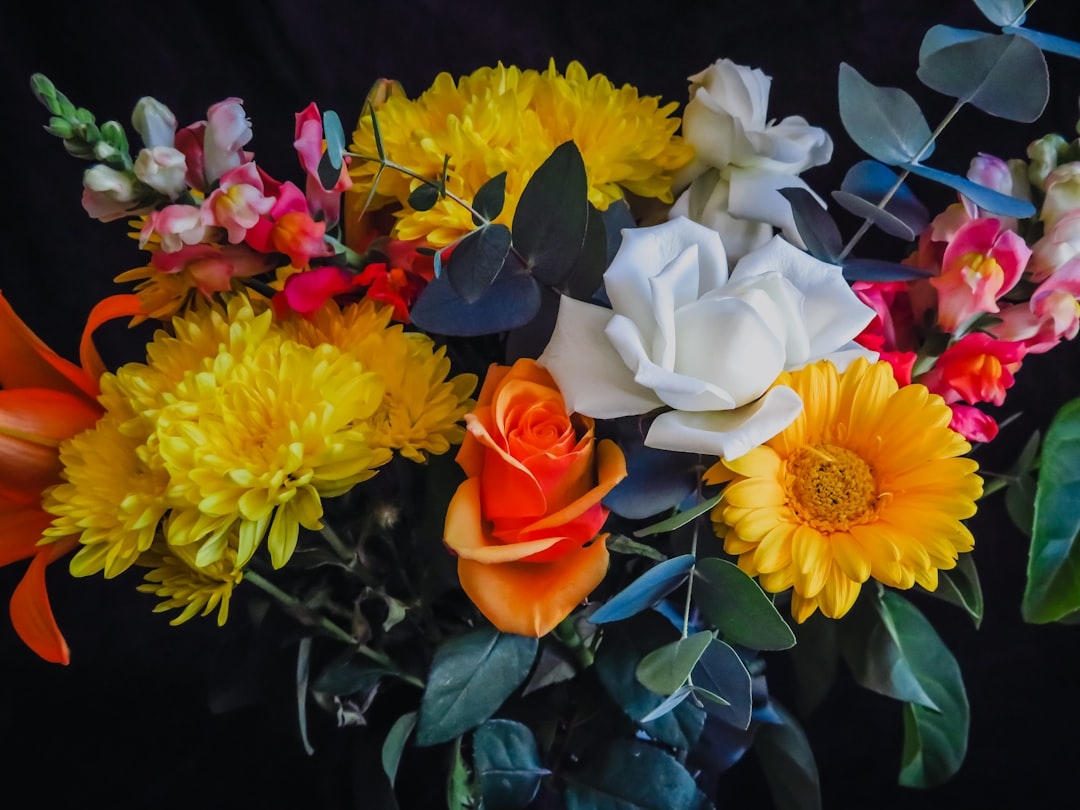
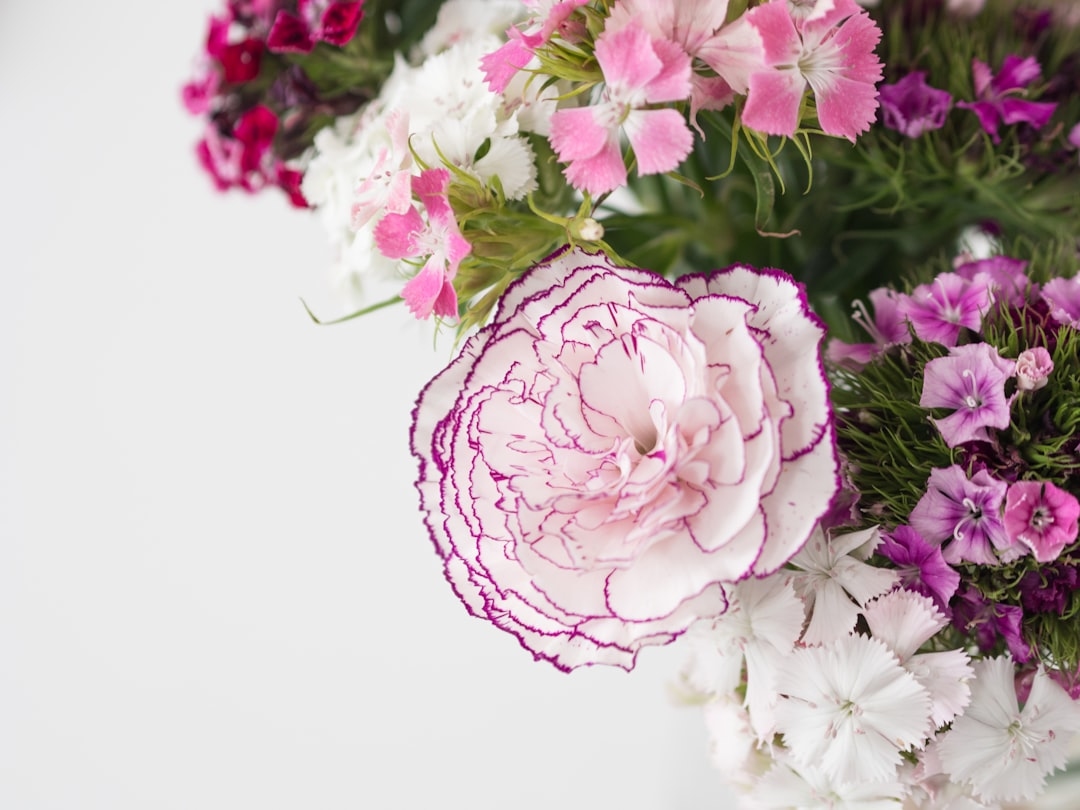
Matthiola varieties span everything from snowy white ‘Iron’ to the dramatic purple ‘Katz Lavender’ to peachy ‘Apricot Beauty’. This flexibility means stock plays well in all palettes–spring pastels, summer brights, autumnal rusts, and winter whites are all covered.
Florists like Jenny Hart (Lead Designer at Brooklyn Stems) rely on stock’s color diversity:
“No matter the season or theme, I can count on stock to tie an arrangement together. The new ‘Vintage Brown’ makes fall event work a breeze.”
Vase Life and Durability: More Beauty, Less Waste
Stock outperforms many rivals in staying power. Under proper care–clean water, stem snips every other day, moderate light–stock flowers last a full week, sometimes almost two. In 2026, when sustainability and waste-reduction matter to US consumers, long-lasting flowers mean happier customers and less frequent replacements.
According to the Society of American Florists, florists lose up to $500 million annually nationwide on unsold or wilted stems. Choosing hardy flowers like stock is an obvious way to stretch profit margins.
Stands Up to Shipping and Handling
Unlike more delicate blooms, stock travels well from California and international farms. The stems arrive upright, not drooping, and the florets rarely shatter in transit. This resilience is especially crucial for US online flower delivery companies like UrbanStems and The Bouqs Co., which need flowers to arrive fresh and photo-ready.
Year-Round Availability: American-Grown and Beyond
Traditionally, stock flowers peak in spring and early summer. But advances in greenhouse growing–especially in California, which supplies over 60% of stock flowers to the US market–now make them available almost every month.
Wholesale platforms such as Mayesh and Alaska Peony Cooperative can secure stock for US florists even in January, thanks to heated greenhouses and coordinated supply chains. For florists who specialize in event work (think micro-weddings in December or baby showers in February), this reliability is game-changing.
Domestic vs. Imported: Pricing and Quality
Most American florists prefer California-grown stock for freshness and shipping proximity. Imported stock, mainly from Ecuador and Colombia, fills gaps during local off-seasons. US-grown bunches often command premium pricing but arrive in tighter bud and better overall condition, supporting the #BuyLocalFlowers movement.
Stock Flowers in Trends: Weddings, Events, and Everyday Design
A Go-To for American Weddings
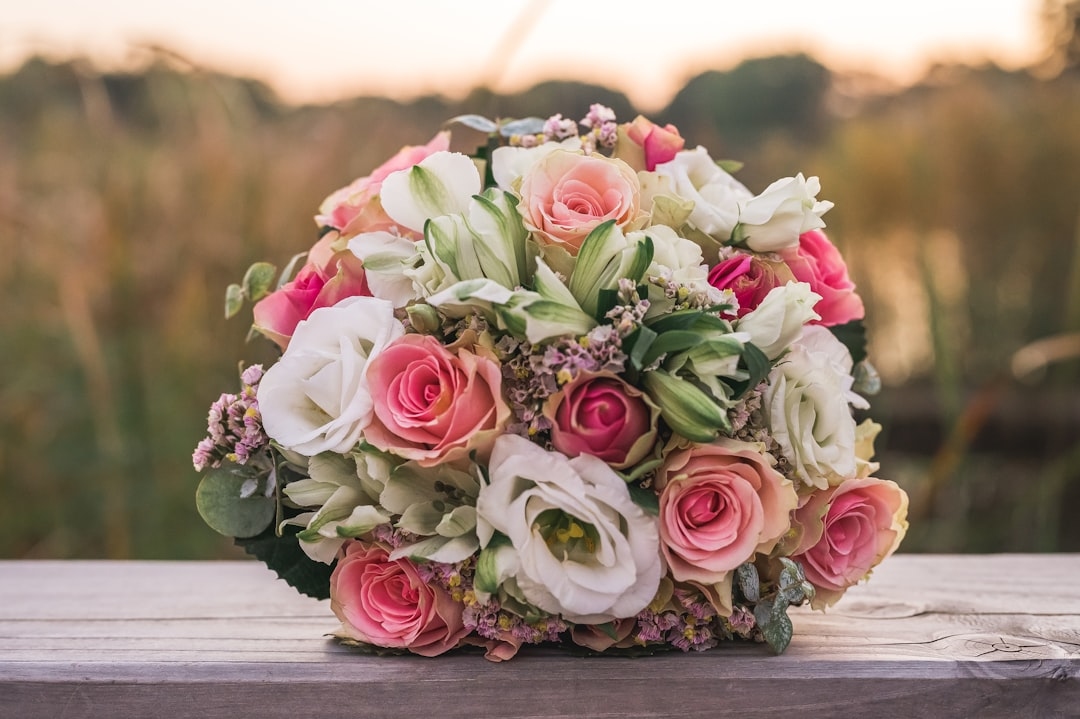
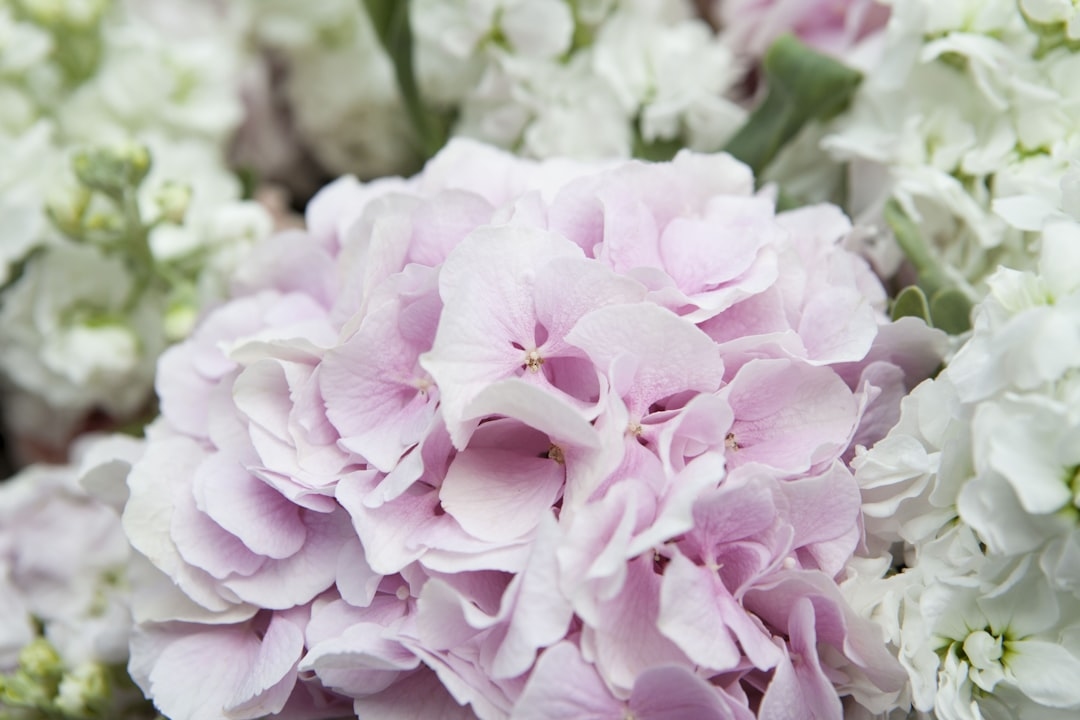
White, blush, and lavender stock have become mainstays for 2026 weddings–especially for hand-tied bouquets and table arrangements. They pair beautifully with roses, ranunculus, and peonies, or shine solo for a minimalist, textured look. Photographers love their photogenic upright shape, which creates dynamic lines in bouquet shots.
Everyday Bouquets and Subscriptions
US flower subscription brands like Farmgirl Flowers and BloomsyBox now routinely feature stock in their weekly and monthly deliveries. The flower’s easy vase care means customers can enjoy longer-lasting arrangements at home, leading to glowing online reviews and higher subscription retention.
Dried and Preserved Stock: The New Craze
With dried flowers trending on social media in 2026, stock’s dense florets and muted hues make it a favorite for everlasting bouquets. Dried stock holds its shape and color surprisingly well, broadening its appeal beyond the fresh flower market.
How Florists Use Stock: Expert Tricks and Pairings
Textural Layering
The soft, ruffled texture of stock provides a perfect foil for smoother blooms like calla lilies or tulips. Designers often tuck short stems of stock in compact, dome-shaped arrangements for added depth.
Focal Point or Filler? Both.
Depending on the event and color palette, a florist might use stock as a gentle filler, or as a vivid focal point–especially in monochromatic arrangements where texture carries the design.
Popular Pairings
- White stock + blush roses + eucalyptus for classic romantic centerpieces
- Purple stock + blue delphinium + white hydrangea in cool-toned summer wedding arches
- Peach stock + coral ranunculus + variegated pittosporum for fresh spring hand-tieds
FAQ: Stock Flowers and Floristry in 2026
How long do stock flowers last in a vase?
Stock flowers typically last 7 to 12 days in a vase, especially with clean water and fresh stem cuts every couple of days.
Are stock flowers safe for pets?
Stock (Matthiola incana) is not considered toxic to cats or dogs if ingested in small quantities, according to the ASPCA. However, as with all florals, it’s best to keep arrangements out of reach of curious pets.
When are stock flowers in season in the US?
Peak season for US-grown stock flowers is February through July, but greenhouse production now allows for near year-round availability, especially from California farms.
How much do stock flowers cost?
In 2026, stock wholesales to florists in the US for $12-$18 per bunch, with retail pricing often ranging from $3-$5 per stem, depending on region and quality.
What colors do stock flowers come in?
Stock flowers are available in white, cream, pink, lavender, purple, red, yellow, peach, and even vintage brown or muted green tones, depending on the variety and grower.
Ready to Try Stock Flowers? Easy Ways to Upgrade Your Next Arrangement
Next time you put together a bouquet–whether it’s for your kitchen counter or a friend’s birthday–add a few stems of stock. Notice how the sweet scent greets you whenever you walk by. Experiment with color pairings or let a single shade set the tone. If you’re ordering flowers for delivery, ask your florist for seasonal stock. You’ll get a design that not only looks lush, but lingers fresh for days. For florists and home flower lovers alike, the stock flower trend isn’t just a fad–it’s a return to all the things that make flowers magical.